


Introduction
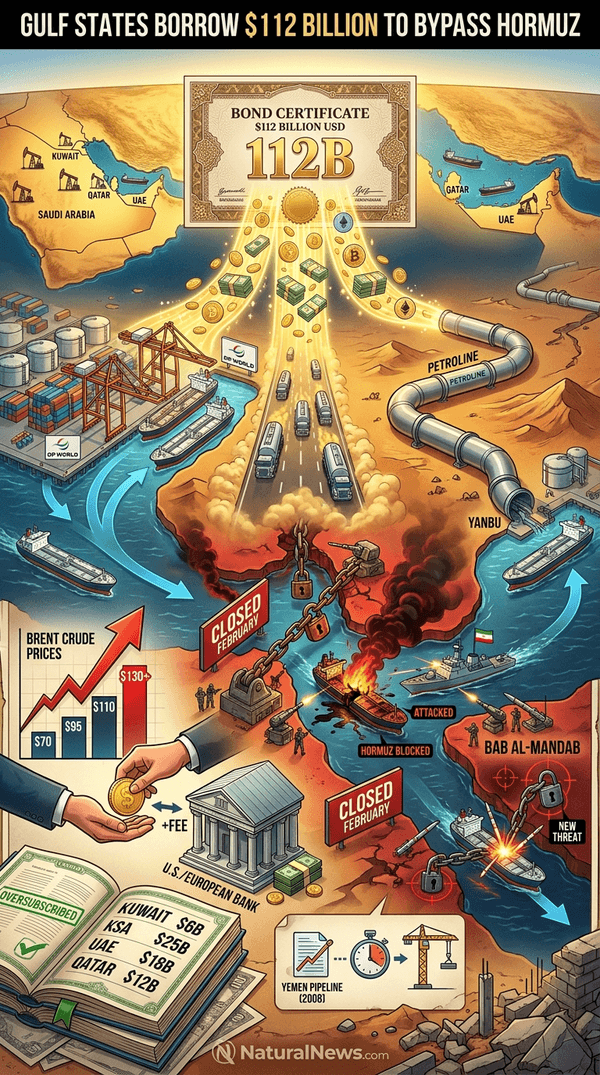
Persian Gulf states have borrowed a record $112 billion in international debt markets this year to finance infrastructure aimed at bypassing the Strait of Hormuz, according to a report citing Bloomberg-compiled data. The borrowing surge follows the closure of the strait in February after the start of the US-Israeli war on Iran, which has crippled oil exports from Saudi Arabia, Kuwait, the UAE and Qatar. [1] Iran has regularly attacked tankers attempting to transit without permission during the conflict, forcing Gulf states to seek alternative export routes. [2]
Hormuz Closure and Economic Impact
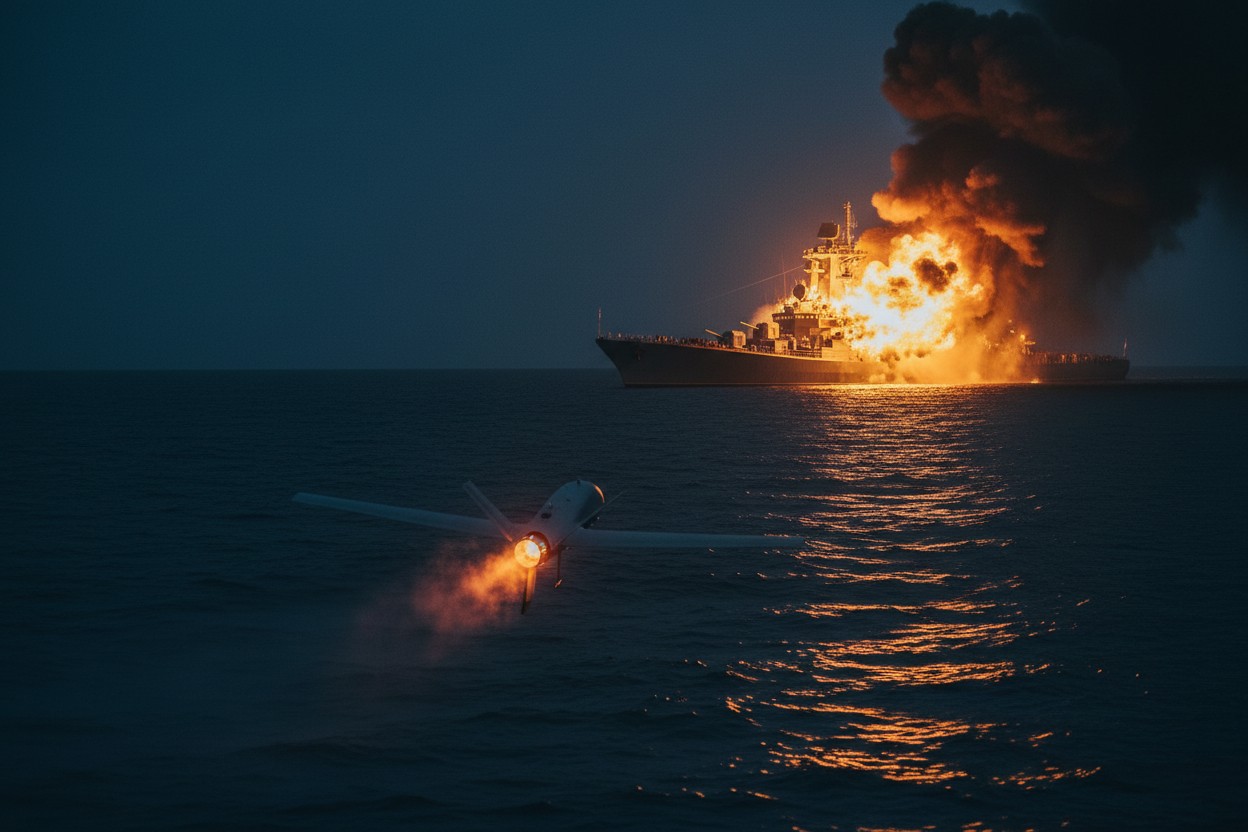
The Strait of Hormuz typically handles about 20% of global oil and gas exports, but has been effectively shut since February following Iran's closure in retaliation for U.S. airstrikes. [2] Iranian attacks on commercial vessels and military escorts have raised insurance costs and made transit unpredictable, according to analysts. The closure has forced Gulf states to accelerate plans for ports, pipelines and road networks outside the strait's reach. [3]
Brent crude futures rose more than 3% to push above $90 a barrel in late July as the conflict disrupted tanker traffic. [4] Goldman Sachs commodities experts warned clients that Brent could top $120 if the Gulf chokepoint crisis deepens. [5] By late July, oil prices had surged toward $100 per barrel as fighting again escalated and Houthi forces struck Saudi tankers in the Red Sea, opening a second front. [6]
Infrastructure Projects and 'Zero Hormuz' Strategy
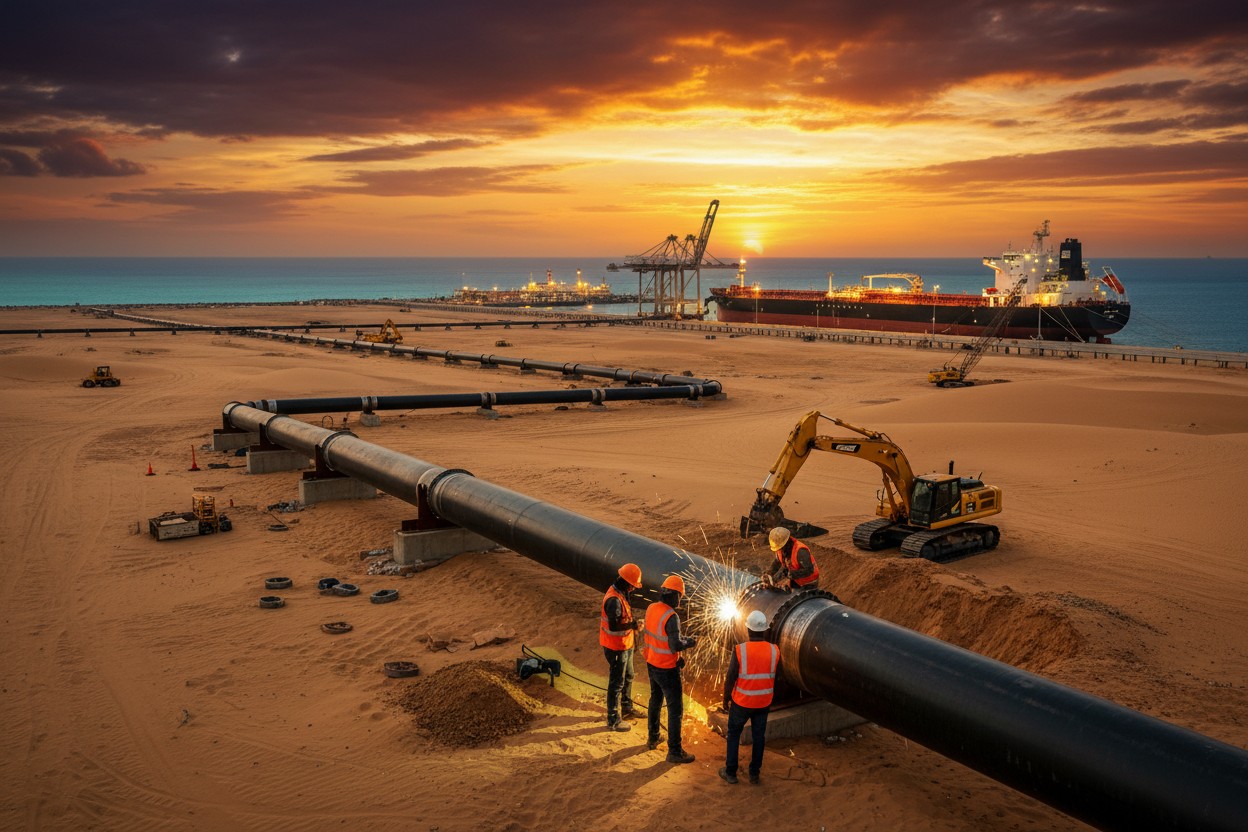
The UAE is building two deepwater terminals in Fujairah on the Gulf of Oman, operated by Dubai-owned DP World, to replace exports lost from Jebel Ali Port inside the strait, officials said. [1] Saudi Arabia is expanding its East-West Pipeline from the Persian Gulf coast to the Red Sea port of Yanbu, and upgrading desert roads for tanker trucks, according to government statements. [7] The UAE Foreign Trade Minister stated this month that new facilities would help achieve 'zero Hormuz dependency.' [1]
As far back as 2008, Saudi Arabia began plans to build a pipeline from its eastern oil fields directly south through Yemen to the Gulf of Aden, a route that would have entirely avoided the Strait of Hormuz. [7] The current infrastructure push represents a rapid acceleration of these long-discussed plans under the pressure of war. [1]
Debt Issuance and Investor Demand
Gulf states sold $112 billion in bonds this year, with strong demand despite the ongoing war, according to Bloomberg-compiled data cited in reports. [1] Kuwait raised $6 billion in bonds this week amid halted oil exports and regular Iranian attacks on US bases in the country, bankers said. [4] Investors also showed robust interest in bonds from Saudi Arabia, UAE and Qatar earlier this year, according to people familiar with the matter.
The borrowing spree is generating profits for US and European banks managing the bond sales, analysts said, as western energy and defense firms also benefit from higher oil prices and weapons sales. [3] Ahmed Nabi, an emerging markets credit trader at Caventor Capital, noted that Iran-aligned Yemen has begun striking tankers in the Bab al-Mandab strait to target Red Sea ports, raising concerns about new chokepoints. [6]
Broader Implications and Risks
Iran could target the new infrastructure directly, according to defense experts, though Gulf states maintain that large foreign-exchange reserves ensure debt repayments. [8] The shift in export routes may permanently alter Gulf geopolitics, with analysts cautioning that Bab al-Mandab could become the next flashpoint if hostilities continue. [5]
Some analysts argue that the U.S. war on Iran is draining American credibility and resources, as Iran's resilience undermines Washington's “maximum pressure” strategy. [3] The closure of the Strait of Hormuz has already triggered a spike in U.S. gasoline prices above $4 per gallon, with further increases likely if the crisis deepens. [4]
References
- ZeroHedge. "Dubai's New East Coast Port Signals The Beginning Of End For Iran's Hormuz Leverage". July 13, 2026.
- NaturalNews.com. "Iran shuts Strait of Hormuz in retaliation for U.S. airstrikes: Global oil markets brace for chaos". June 12, 2026.
- Mike Adams. "The American Empire Cannot Defeat Iran, and Doubling Down Only Worsens the Global Energy Catastrophe". NaturalNews.com. April 23, 2026.
- NaturalNews.com. "U.S. Gasoline Prices Climb Back Above $4 Per Gallon Amid Middle East Conflict". July 24, 2026.
- ZeroHedge. "Goldman Warns Brent Could Top $120 If Gulf Chokepoint Crisis Deepens". July 21, 2026.
- The Epoch Times. "Oil Jumps as Houthis Claim Strikes on Saudi Tankers in Red Sea". July 23, 2026.
- Charlotte Dennett. "The Crash of Flight 3804".
- Mike Adams. "The Domino Effect: How a U.S. Attack on Iran Could Unleash Global Catastrophe". NaturalNews.com. February 20, 2026.
Explainer Infographic






Please contact us for more information.


