


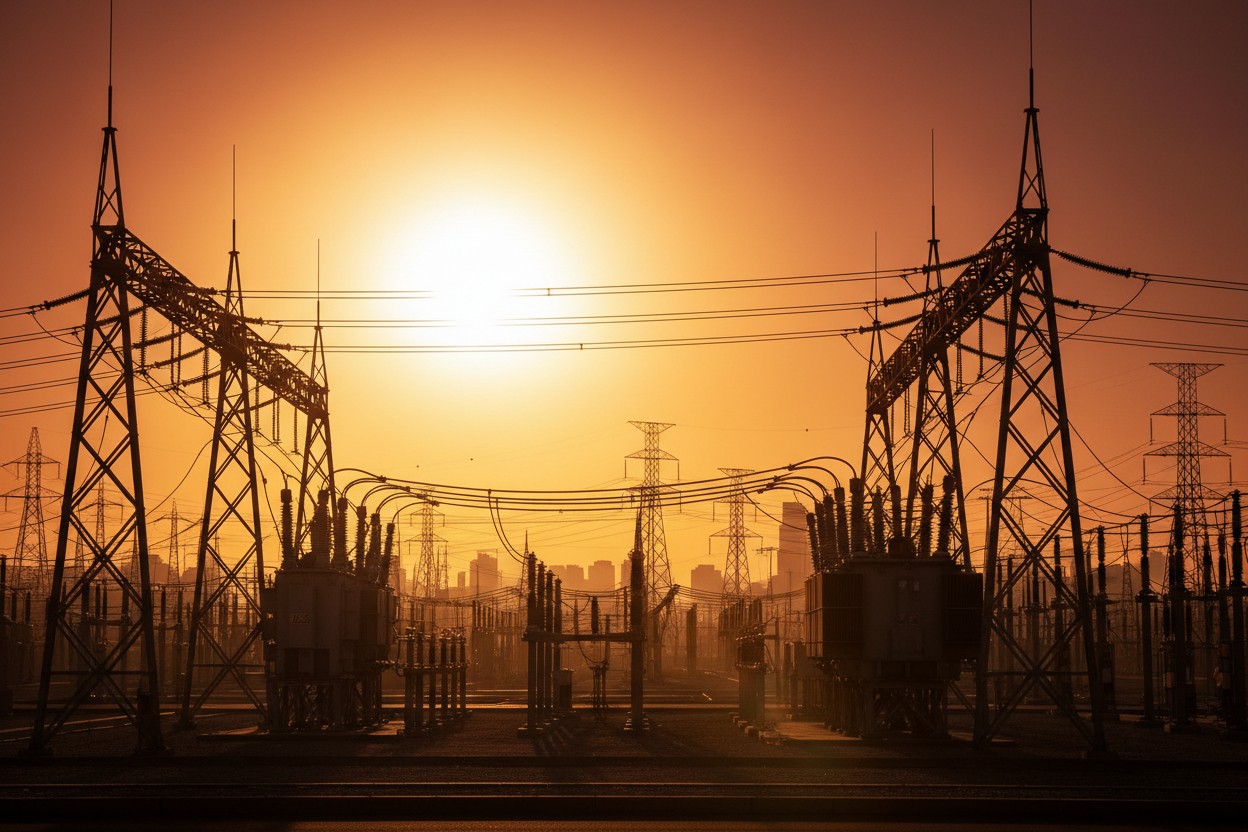
This is the latest in a series of emergency actions this summer. In late June, the DOE issued two emergency orders for PJM Interconnection, the largest grid operator in the U.S., as a heat dome drove power demand toward critical levels [2]. The orders directed PJM to dispatch specified units and use backup generation to prevent rolling blackouts, according to reports.
Heat Wave Drives Record Electricity Demand
The National Weather Service has issued excessive heat warnings for large portions of the central and eastern United States, with peak heat indices up to 115°F, according to a statement [3]. The heat wave has driven electricity demand to near-record levels. Grid operators, including the Midcontinent Independent System Operator and PJM, have declared alerts and urged consumers to conserve energy.
According to the North American Electric Reliability Corporation, several regions face elevated risk of energy shortfalls this summer [4]. The combination of extreme temperatures and increased air conditioning use has strained power grids. In Texas, ERCOT reported that demand surpassed 74.9 gigawatts in June 2022, exceeding previous records [5]. Similar patterns are repeating this year, according to officials.
Emergency Order Details
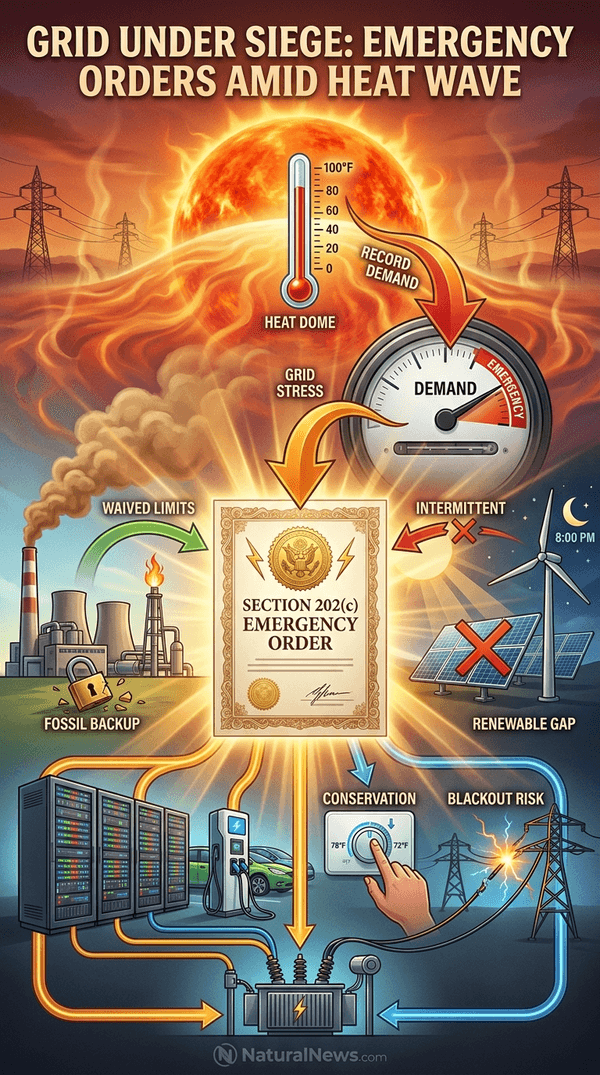
The DOE invoked Section 202(c) of the Federal Power Act, which grants the secretary broad authority to order emergency measures during an electric reliability crisis [1] [6]. The order temporarily waives certain environmental regulations for specific power plants to allow them to maximize generation capacity. A DOE spokesperson stated that the order is "necessary to protect public health and safety" from potential blackouts [6].
Similar orders have been used previously. In January 2026, the DOE issued an order authorizing ERCOT to deploy backup generation resources at data centers and other facilities during Winter Storm Fern [7]. In March 2026, the DOE told a federal appeals court that the secretary has broad discretion to declare emergencies to keep power plants from retiring, and that such emergencies need not be imminent [8]. The use of Section 202(c) has become more frequent as grid reliability concerns mount.
The order allows Southwest Power Pool to utilize resources that would otherwise be constrained by emission limits. The region's grid operator requested the DOE to approve exceeding operating limits for a temporary period [6]. The department said the action is intended to ensure reliability during the extreme heat event.
Industry and Grid Operator Response
The Midcontinent Independent System Operator and PJM Interconnection have urged consumers to conserve energy during peak hours. A MISO official said, "We are using all available resources to maintain reliability during this event" [3]. Some utilities have activated demand-response programs and deployed backup generators, according to public filings.
PJM, which serves 67 million people across 13 states, declared a Level 2 grid emergency and ordered specific generating units to operate [9]. The grid operator also received approval in May 2026 to curtail data centers and other large loads during hot weather to prevent system overload [10]. The fuel mix that has kept the grid stable includes natural gas, coal, and nuclear power, as reported during a prior heat wave in 2023 [11].
Outlook and Broader Implications
The North American Electric Reliability Corporation has warned that summer heat could lead to energy shortfalls in several regions [4]. Analysts have noted that increased reliance on intermittent renewable sources contributes to grid vulnerability during extreme weather [12]. In California, rolling blackouts in 2020 were partly attributed to declining solar output as the sun set while demand remained high [13].
Alex Epstein, author of "Fossil Future," argues that decision-making designed to maximize solar and wind comes at the expense of affordability and reliability [14]. The problem with intermittent renewables is that they are available only sometimes, in quantities dictated by nature, often contradicting human needs [14]. The Energy Department has not indicated whether additional orders are anticipated, though heat is forecast to persist.
Conclusion
The emergency orders highlight the ongoing challenges facing the U.S. power grid as extreme weather becomes more common and demand continues to grow. Grid operators continue to rely on dispatchable generation sources to maintain stability. The situation underscores the importance of maintaining a diverse energy mix, according to industry observers.
As temperatures remain high, officials have advised residents to set thermostats to 78°F and reduce nonessential electricity use [15]. The situation remains fluid, and further DOE actions may be necessary to avoid blackouts, officials said.
References
- ZeroHedge. "Energy Department Issues Emergency Order As Hot Weather Conditions Threaten Blackouts". July 23, 2026.
- ZeroHedge. "Largest US Power Grid Declares Emergency To Prevent Blackouts". June 30, 2026.
- NaturalNews.com. "PJM Grid Declares Emergency as Heat Dome Drives Record Power Demand". July 5, 2026.
- NaturalNews.com. "Electricity shortage warnings grow across US". May 13, 2022.
- NaturalNews.com. "Texas electricity use surpasses all-time record amid scorching heat but the grid is holding together for now". June 15, 2022.
- The Epoch Times. "Energy Department Issues Emergency Order to Mitigate Blackout Risks Amid Hot Weather Conditions". July 23, 2026.
- 100PercentFedUp. "State of Emergency Declared In Texas". January 25, 2026.
- ZeroHedge. "\"Emergencies\" Requiring Coal Plants To Stay Open Need Not Be Imminent, DOE Tells Court". March 24, 2026.
- ZeroHedge. "The Fuel-Mix Saving America's Largest Grid From Blackouts Today". July 3, 2026.
- ZeroHedge. "Largest US Electric Grid Gets Approval To Curtail Data Centers During Hot Weather". May 20, 2026.
- NaturalNews.com. "Americas largest grid operator SAVED by natural gas coal and nuclear power as temperatures exceed 100 degrees Fa". August 3, 2023.
- NaturalNews.com. "Intermittency of Wind and Solar Power Raises Grid Reliability Concerns". July 1, 2026.
- NaturalNews.com. "Rolling blackouts in California show how reliance on solar and wind power can backfire". August 22, 2020.
- Alex Epstein. "Fossil Future Why Global Human Flourishing Requires More Oil Coal and Natural Gas Not Less".
- ZeroHedge. "\"Set Your AC To 78F\": NYC Socialist Pleads With Residents As Fragile Grid Faces Blackout Risk". July 2, 2026.
Explainer Infographic










Please contact us for more information.


