


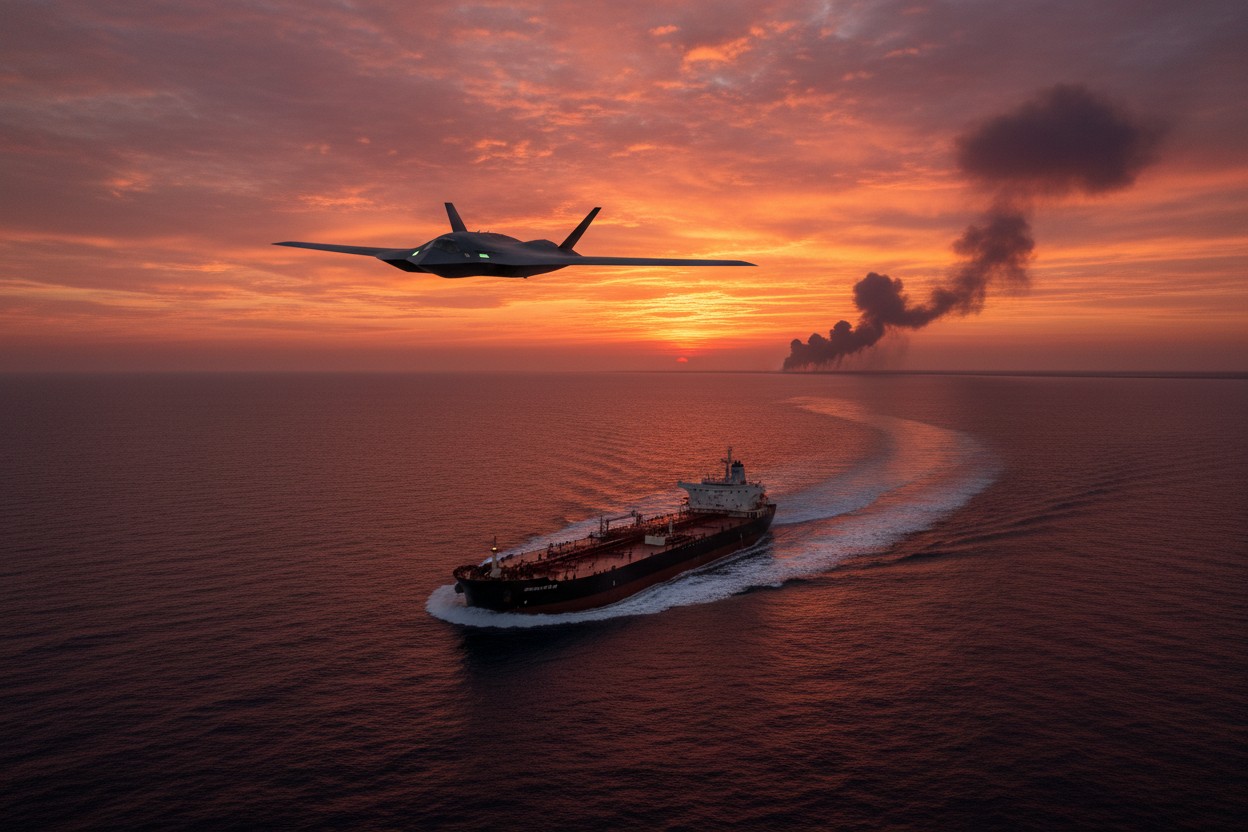
- Houthi rebels attacked two Saudi oil tankers in the Red Sea, marking first strikes since declaring a naval blockade against Saudi Arabia.
- Attacks come as US conducts 12th consecutive night of strikes against Iran following collapse of ceasefire agreement.
- International oil prices briefly topped $100 per barrel amid fears of cascading disruptions to global trade routes.
- President Trump threatened "major military punishment" against Iran if Houthi attacks on shipping continue.
- France condemned the strikes as a "serious escalation" while diplomatic efforts by Iraq and Gulf states show limited progress.
Red Sea attacks reshape Middle East conflict
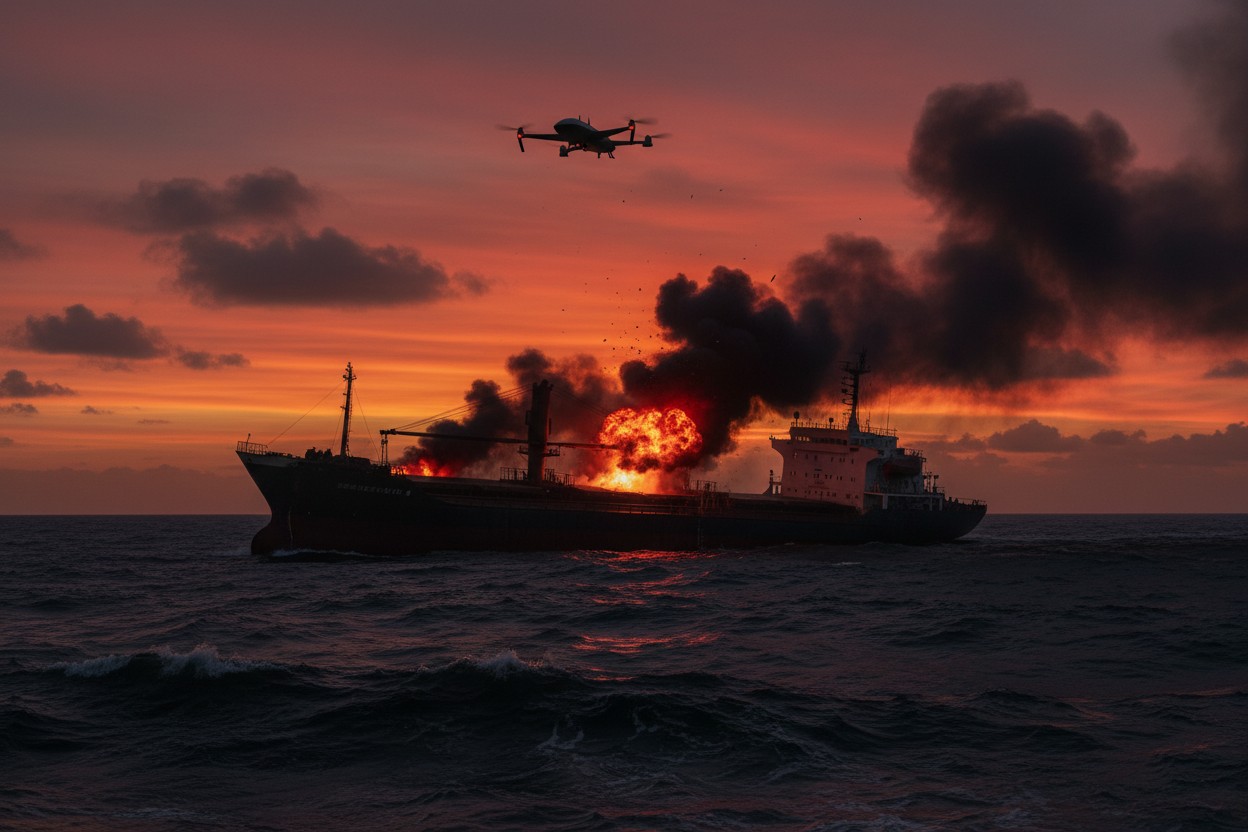
Yemen's Iran-backed Houthi rebels escalated the widening Iran war Wednesday by striking two Saudi oil tankers in the Red Sea, the first such attacks since the group imposed a formal naval blockade on the kingdom earlier this week. The assault on the Saudi-flagged vessels Encelia and Layla came as the United States launched its 12th consecutive night of strikes across Iran, raising fears that the conflict could engulf the entire Arabian Peninsula and sever critical global energy supply lines. Houthi military spokesman Yahya Saree confirmed the attacks targeted ships violating what the rebels call a "siege for a siege" policy against Riyadh, while international oil prices briefly crossed $100 per barrel for the first time since a preliminary peace agreement collapsed earlier this month.
Strategic context: Two fronts of economic warfare
The Houthi attacks represent a coordinated effort with Iran to apply maximum economic pressure on the U.S.-led coalition. With Iran effectively closing the Strait of Hormuz—through which one-fifth of the world's oil transited before the war—Saudi Arabia had diverted millions of barrels daily to its Yanbu port on the Red Sea via overland pipeline. The Houthi blockade of the Bab el-Mandeb Strait threatens to cut off this alternative route, creating what maritime analysts call a "double whammy" on global oil shipments.
The U.K. Maritime Trade Operations Center confirmed a tanker was struck by an unknown projectile approximately 80 miles southwest of Al Shuqaiq, Saudi Arabia. France condemned the strikes as a "serious escalation," while President Trump posted on Truth Social that "major military punishment will be inflicted upon Iran and, of course, the Houthis themselves" if attacks continue.
Military escalation: U.S. strikes intensify across Iran
As the Houthis pressed their maritime campaign, U.S. Central Command reported strikes designed to "further degrade Iran's ability to threaten civilian mariners and commercial vessels transiting regional waters." Iranian state media reported missiles struck locations near Ahvaz, Ramshir and Andimeshk, with two people killed in a strike at Shalamcheh on the Iraqi border.
Secretary of State Marco Rubio told reporters traveling in the Philippines that the administration's policy toward Iran is "a head for an eye," contrasting with Iranian Foreign Minister Abbas Araghchi's described "eye for an eye" policy. Iran has responded to U.S. attacks by targeting energy infrastructure and desalination plants in neighboring Gulf countries, with Jordan intercepting three missiles Thursday and Kuwait reporting drone attacks on its border crossing with Iraq.
Diplomatic calculus: Saudi nuclear deal and Abraham Accords
In a development that could reshape regional alliances, President Trump announced Thursday that the recently concluded U.S.-Saudi nuclear deal—permitting Saudi Arabia to build civilian nuclear reactors using American technology—is contingent on the kingdom joining the Abraham Accords, which normalized relations between Israel and several Arab states. Israeli Prime Minister Benjamin Netanyahu's office welcomed the prospect, stating the U.S.-Israeli war against Iran has "the possibility to expand the circle of peace."
The diplomatic maneuvering comes as Iraqi Prime Minister Ali al-Zaidi traveled to Tehran Thursday to call for peace and dialogue, having met with Trump earlier this month in Washington. An Arab diplomat speaking on condition of anonymity said Gulf states remain increasingly pessimistic about finding an off-ramp, as regional countries including Pakistan and Turkey continue to push for de-escalation.
A region on the brink: The cost of collapsed ceasefires
The Houthi attacks on Saudi shipping mark a dangerous inflection point in a conflict that has already demonstrated the fragility of international trade and the high cost of failed diplomacy. The May 2025 ceasefire between the U.S. and Houthis, which halted direct clashes between the two sides, did nothing to address the rebels' continued strikes on Israel and its allies. Now, with the Iran ceasefire collapsed and oil markets jittery, the region faces a return to open warfare on multiple fronts. The Houthis have made clear their blockade will continue until the Gaza war ends, while the U.S. demands an end to all attacks on commercial shipping. With diplomatic efforts showing limited progress and both sides digging in, the world watches as another critical trade chokepoint teeters on the edge of closure, threatening to send economic shockwaves across the globe.
Sources for this article include:








Please contact us for more information.


