


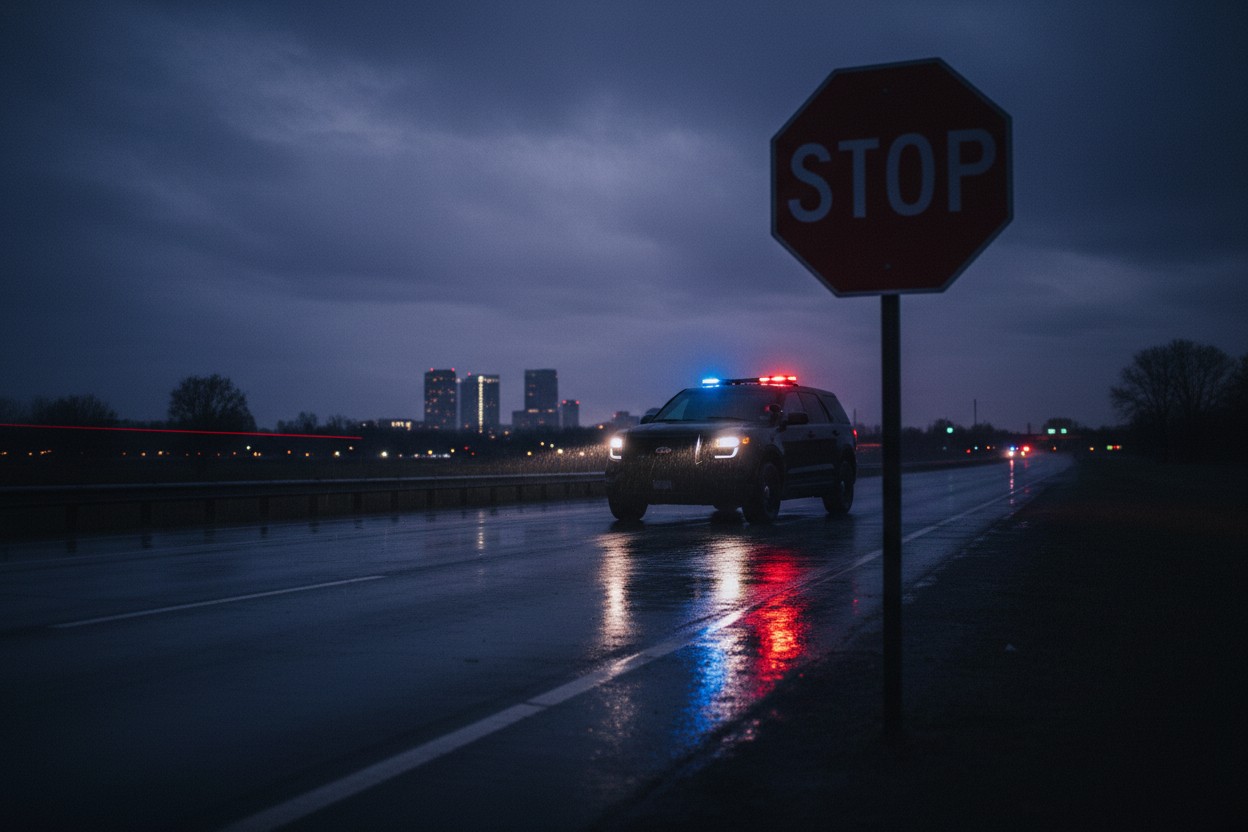
John Sandweg, who served as acting ICE director under former President Barack Obama, argued that the agency should immediately pause such operations because enforcement officers generally lack the specialized training required to safely conduct vehicle stops, a task typically handled by local police. Sandweg's call came as multiple federal sources confirmed to Fox News that ICE has been instructed to immediately cease most vehicle stops nationwide, according to a July 14 report from 100PercentFedUp [1].
The exception is operations targeting the most egregious criminal aliens. The two deaths involved individuals who were not named in the arrest warrants officers were executing, raising questions about the tactics used during enforcement operations [2].
Background: Two Fatal Shootings in One Week
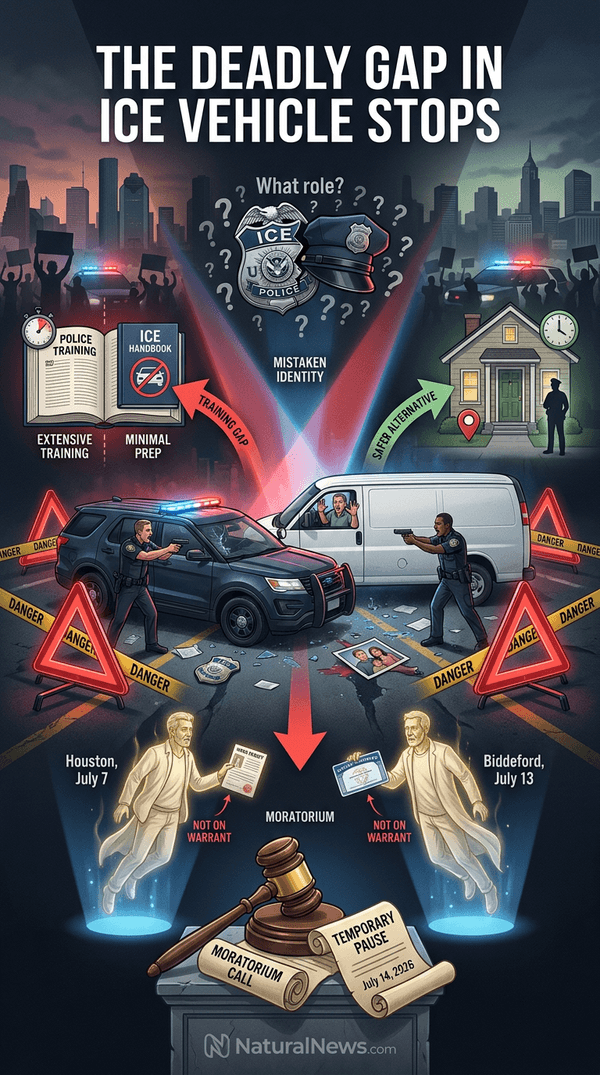
On July 7, 2026, Lorenzo Salgado Araujo, a Mexican national, was fatally shot by an ICE officer during a targeted enforcement operation in Houston. According to an ICE statement, officers attempted to stop Salgado Araujo after he allegedly rammed an ICE vehicle and then used his vehicle as a weapon [3].
The Department of Homeland Security (DHS) later confirmed that Salgado Araujo was not the intended target of the operation. Agents had stopped a white van because an occupant resembled their actual target [2]. Family members told local media that Salgado Araujo had lived in the area for 35 years, was seeking a work permit and had no criminal record.
One week later, on July 13, an ICE officer shot and killed a 26-year-old Colombian man in Biddeford, Maine, identified as Joan Sebastian Guerrero. DHS said agents were conducting targeted surveillance at Guerrero's last known address when he fled in his vehicle, and an officer discharged his weapon "fearing for public safety" [4].
Guerrero had work authorization and a Social Security number, according to local lawmakers. Neither he nor Salgado Araujo were the subjects of the warrants officers were executing, according to multiple reports [2] [5].
Former ICE Director Cites Lack of Training and Safety Risks
Sandweg, who led ICE from 2013 to 2014, said the agency's officers lack the widespread experience in vehicle stops that local police departments have. "Vehicle stops are inherently dangerous for both officers and subjects," he said, according to his public statements. Sandweg questioned why ICE agents were being placed in such high-risk situations to detain individuals who pose no public safety threat and who are not charged with violent crimes.
The former ICE acting director suggested that alternative methods, such as waiting for the subject to arrive at a destination or making an arrest at a residence, could achieve the same enforcement outcomes without the need for vehicle stops. His comments reflect concerns that the agency may be over-relying on traffic enforcement, a tactic that requires split-second decisions under unpredictable circumstances. The lack of consistent vehicle-stop training among ICE agents compared to local law enforcement was a key point in his recommendation for a moratorium.
ICE Policy Pause and Official Response
Following the successive fatal incidents, ICE privately directed a nationwide pause on most vehicle stops, according to multiple federal sources [1] [6]. White House border czar Tom Homan confirmed the pause in an interview with the Epoch Times, stating it is "not a policy change. It's a temporary pause" while the agency reviews the recent incidents for potential training improvements [7]. The agency has declined to confirm the policy shift publicly, citing the need to keep tactical details confidential.
In a statement, ICE said, "We are always evaluating our procedures to keep our officers safe and criminals off our streets," as reported by multiple outlets [6]. Meanwhile, Maine Secretary of State noted that 11 individuals have been fatally shot by ICE or Border Patrol since President Donald Trump returned to office, according to local news reports. The Biden- and Trump-era enforcement actions have drawn increased scrutiny and protests in cities such as Minneapolis and Portland [8].
Broader Concerns and Call for Reevaluation
Sandweg emphasized that the temporary pause should lead to a comprehensive reevaluation of the agency's vehicle-stop policies. "We need a hard look at whether these tactics are worth the risk to all involved," he said.
Families of the victims and immigrant advocacy groups have questioned the necessity of using lethal force against individuals who lack criminal records and were not named in active warrants [2]. The incidents highlight the potential dangers of using federal immigration officers for traffic enforcement, a role that historically falls to local police with more extensive training.
The push for a moratorium comes amid a broader debate about ICE's use of force and the accountability of federal agents. As the agency reviews its procedures, the question remains whether vehicle stops will remain a standard tool for immigration enforcement or be sharply curtailed to avoid further fatalities. The outcome of this policy pause may set a precedent for how federal immigration authorities conduct enforcement operations in the future.
References
- 100PercentFedUp. "BREAKING: ICE Ordered To End Most Vehicle Stops For The “Foreseeable Future". July 14, 2026.
- BBC News. "Man fatally shot by ICE in Houston was not intended target, DHS says". July 10, 2026.
- NTD. "ICE Officer Fatally Shoots Illegal Immigrant During Houston Arrest Operation". July 8, 2026.
- NTD. "One Killed in ICE-Involved Shooting in Maine". July 14, 2026.
- BBC News. "One person 'killed' in shooting involving federal agents in Maine, official says". July 13, 2026.
- BBC News. "ICE told to halt most vehicle stops after pair of fatal shootings". July 14, 2026.
- The Epoch Times. "ICE Pauses Vehicle Stops Nationwide Following Deadly Maine Shooting: Homan". July 15, 2026.
- ZeroHedge. "'We Won't Stop Until Heads Drop Like In 1793': Tens Of Thousands Take To Streets Of Minneapolis After ICE Shooting". January 11, 2026.
Explainer Infographic









Please contact us for more information.


