


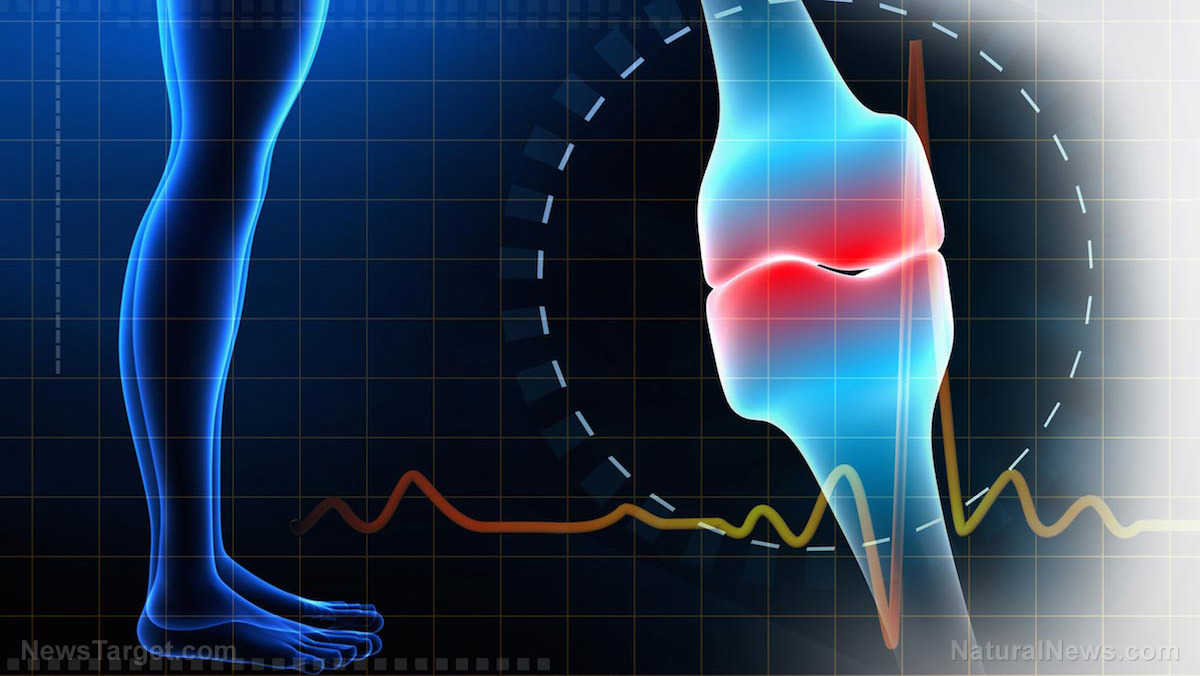
- A new University of Johannesburg study found that for people with osteoporosis, prolonged sedentary time carries its own independent toll on bone health and well-being even if they meet weekly exercise goals (e.g., 150 minutes of moderate activity).
- Among study participants, physical functioning scored highest (76%), but emotional well-being (58%) and social connection (56%) were much lower—suggesting exercise alone doesn't address the full quality-of-life impact of osteoporosis.
- Fractures and pain lead to more sitting, which accelerates bone loss and muscle weakness, increasing fall and fracture risk. Breaking this cycle requires interrupting sitting throughout the day, not just adding workouts.
- Participants with private health insurance reported a quality of life score of 73%, compared to just 50% for those using public healthcare—linking the gap directly to differences in access to rehabilitation, education and osteoporosis-specific care.
- The key takeaway is to break up sitting every 30–60 minutes (even 2 minutes of standing or walking helps), prioritize weight-bearing and resistance exercise, and consider group activities to simultaneously address movement, emotional health and social connection.
For millions of older adults dutifully logging their weekly exercise, a new study delivers a sobering message: you can hit every fitness target and still be undermining your bone health simply by sitting too much the rest of the day. Researchers at the University of Johannesburg have found that for people with osteoporosis, the time spent sedentary may matter as much as the time spent active, challenging the common assumption that a few good workouts provide full protection. The cross-sectional study, conducted among 209 adults diagnosed with osteoporosis aged 35 to 94, with an average age of 64, compared physical activity patterns against quality of life scores. The findings, published this week, suggest that managing osteoporosis requires not just moving more, but sitting less.
The real risk isn't only in the gym
Osteoporosis weakens bones, making them brittle and prone to fractures even from minor falls. The condition affects roughly 200 million women worldwide, and its consequences—chronic pain, fear of falling and loss of independence—can cripple daily life. For years, public health messaging has focused on meeting exercise guidelines: 150 minutes of moderate activity weekly, or 75 minutes of vigorous activity. This study, however, reveals a blind spot. Many participants who met those goals still spent most of their waking hours sitting, and that prolonged stillness carried its own, independent toll on their well-being.
The researchers used two questionnaires. One tracked physical activity across work, travel and leisure; the other measured quality of life across physical, emotional and social domains. The results painted a stark picture. While physical functioning scored highest at 76%, emotional well-being lagged at 58% and social connection at just 56%. Even among the most active participants, these emotional and social scores remained noticeably lower than physical health scores. Vigorous exercise was rare. Only 6% of participants reported vigorous activity at work, and just 28% engaged in vigorous leisure activity. Most participants walked, stood, or moved lightly, but then sat for long stretches.
Why sitting matters as much as moving
A person can run three miles in the morning, then sit at a desk for eight hours and on a couch for four more. That prolonged sitting, the study suggests, has its own damaging effects on bones. For people with osteoporosis, a vicious cycle emerges. Fractures and pain make movement feel risky, which leads to more sitting, which accelerates bone loss and muscle weakness, which increases fall risk, which invites more fractures. Breaking that cycle requires interrupting sitting throughout the day, not just adding workouts.
Participants with private health insurance reported a quality of life score of 73%, compared to just 50% for those using public healthcare. Researchers linked this gap directly to differences in access: rehabilitation services, health education and osteoporosis-specific care were far more available to those with private coverage. This finding underscores that exercise recommendations alone are insufficient without the infrastructure to support them.
Practical steps: Move every hour, not just three times a week
The study points to several practical strategies. Break up long sitting stretches every 30 to 60 minutes. Even standing or walking for two minutes interrupts the harmful metabolic and mechanical effects of prolonged stillness. Prioritize weight-bearing and resistance exercise: walking, hiking, stair climbing and strength training place direct load on bones, which stimulates density and strength. Think beyond the gym.
The study’s most striking finding may be the emotional deficit. Even active participants scored poorly on emotional and social quality of life. Group exercise classes, walking with a friend, or working with a physical therapist can address both movement and isolation simultaneously. The researchers emphasized that structured, load-bearing exercise is particularly valuable, not only for bone density but for muscle strength, coordination and balance—all of which prevent falls.
For decades, osteoporosis treatment focused on pharmaceutical interventions: bisphosphonates, calcium supplements and hormone therapy. Exercise was often treated as an afterthought or a general recommendation. But as the global population ages, with osteoporosis affecting one in three women and one in five men over 50, the limits of a drug-only approach have become clear. This study represents a shift toward understanding daily behavior patterns, not just clinical interventions. It recognizes that bone health is shaped by everything a person does between sunup and sundown, not just the 30 minutes they spend at the gym.
Conclusion: The two-front battle for bone health
"Osteoporosis, meaning 'porous bone,' is a condition characterized by the loss of both mineral and non-mineral components of bone tissue, leading to porous and easily-breaking bones," said BrightU.AI's Enoch. "It results from an imbalance between bone resorption and formation, often due to calcium loss within the protein matrix caused by malabsorption or deficiencies in vitamins C and D, calcium, phosphorus and other essential minerals. This debilitating condition affects approximately 24 million Americans, with one-third of women over age 65 suffering spinal fractures that can be fatal for up to one out of five women."
Meeting weekly exercise goals remains important, but it is only half the battle. The other half is breaking up sitting time throughout the day. Those two challenges require separate strategies and separate attention. For anyone hoping to age with strong bones and a high quality of life, the prescription is not simply to exercise more. It is to sit less. Move often. And never underestimate the cost of stillness.
Watch and discover natural ways to avoid excessive bone loss.
This video is from the Groovy Bee channel on Brighteon.com.
Sources include:










Please contact us for more information.


