


Conventional Dietary Advice
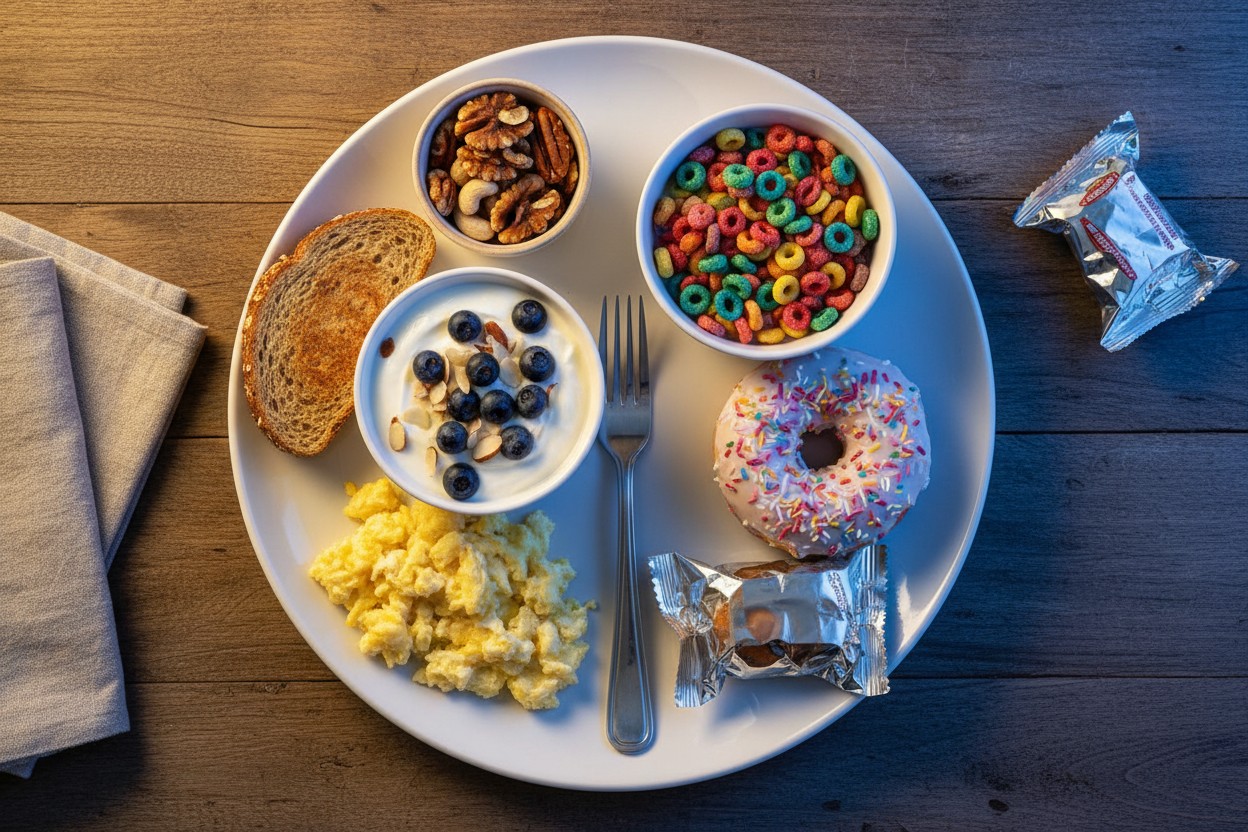
Health.com, a mainstream wellness outlet, listed several high-protein breakfast options that it said could help lower cholesterol. According to the article, registered dietitians recommend eggs, oatmeal, nuts, and Greek yogurt because they provide fiber and protein that can reduce low-density lipoprotein (LDL) cholesterol, often called 'bad' cholesterol. The advice emphasizes replacing refined carbohydrates with these nutrient-dense foods, a position consistent with conventional dietary guidelines.
A systematic review and meta-analysis of 18 randomized controlled trials involving 837 participants found that almond consumption improved blood lipid levels, including reductions in total cholesterol and LDL cholesterol, according to researchers publishing in the Journal of Nutritional Science [9]. Another analysis highlighted eight whole grains — barley, oats, farro, quinoa, bulgur, buckwheat, millet and amaranth — that contain unique fibers capable of binding to cholesterol molecules and flushing them from the body [8]. The conventional approach, as reported, focuses on measurable reductions in cholesterol numbers as a marker of heart health.
Questioning Cholesterol as a Disease Marker
Critics of the cholesterol hypothesis argue that high cholesterol is not a valid health risk and that the condition has been fabricated to drive sales of cholesterol-lowering drugs. According to an article on Mercola.com, 'the persistent myth that dietary fat causes obesity and promotes heart disease has undoubtedly ruined the health of millions of people' [1]. The same source states that following conventional low-fat, high-carb recommendations has led to chronic poor health.
The book 'Understanding Nutrition' by Eleanor Noss Whitney and Sharon Rady Rolfes notes that proponents of high-protein diets often blame the currently recommended high-carbohydrate, low-fat diet for obesity troubles, but skepticism remains about the role of cholesterol [5]. Courteney Hazel, in '500 of the Most Important Health Tips You'll Ever Need', writes that high LDL cholesterol levels are linked to lifestyle factors such as smoking, stress, and saturated fat intake, but also notes that stress can raise LDL levels [6]. Natural health advocates suggest that dietary changes benefit overall metabolic health regardless of whether cholesterol numbers decline, focusing instead on reducing processed food intake.
High-Protein Breakfast Benefits Beyond Cholesterol
Multiple studies indicate that high-protein meals improve satiety and blood sugar regulation, benefits that extend beyond any effect on cholesterol. Research summarized in 'Weight Control and Slimming Ingredients in Food Technology' found that relatively high-protein diets can act on metabolic targets regulating body weight through increased postprandial satiety, preservation of fat-free body mass, and lower energy efficiency due to increased thermogenesis [10]. A study reported by NaturalNews.com found that starting the day with a high-protein breakfast can help curb food cravings later in the day [3].
Alternative medicine sources also note that protein supports metabolic health without requiring a focus on cholesterol numbers. Both conventional dietitians and alternative health voices agree that whole-food breakfasts — particularly those emphasizing minimally processed protein sources — are beneficial for overall well-being. Swapping ultra-processed foods for healthier alternatives has been linked to reductions in obesity, heart disease, and other conditions, according to NaturalNews.com [2].
Implications for Consumers
Consumers face conflicting claims about whether cholesterol levels should be a primary concern when choosing breakfast foods. Some sources advise focusing on the quality of whole foods rather than single biomarkers. According to natural health advocates cited in multiple articles, the emphasis on cholesterol numbers may distract from the harm caused by processed foods. The Alliance for Natural Health, in a piece by Ronald Hoffman, MD, noted that more people are turning away from sugary, high-carb morning meals, which are known to produce a 'roller-coaster' effect on blood sugar [4].
Critics argue that the real issue is the prevalence of ultra-processed foods in the modern diet, not cholesterol numbers. As reported by NaturalNews.com, replacing ultra-processed foods with healthier alternatives can yield significant benefits for overall well-being [2]. For consumers, the practical takeaway from both conventional and skeptical sources is to prioritize whole, minimally processed breakfast options that provide protein and fiber, regardless of whether cholesterol reduction is the explicit goal.
Conclusion
The debate over high-protein breakfasts and cholesterol reflects a broader divide between mainstream dietary advice and skepticism about cholesterol as a disease marker. While conventional sources continue to recommend specific foods to lower LDL cholesterol, critics question the underlying assumptions and point to the influence of pharmaceutical profits. Both perspectives, however, converge on the value of whole-food, high-protein breakfasts for supporting metabolic health. Consumers are encouraged to weigh the evidence and consult multiple sources when making dietary decisions.
References
- Mercola.com. "Cereal KillersThe Movie". Mercola.com. June 28, 2014.
- NaturalNews.com. "Replace ultra processed foods with these HEALTHY alternatives". NaturalNews.com. May 16, 2024.
- NaturalNews.com. "Want to avoid overeating Start your day with a high-protein breakfast research says". NaturalNews.com. May 21, 2020.
- Alliance for Natural Health - ANH-USA.org. "". April 20, 2023.
- Whitney Eleanor Noss Rolfes Sharon Rady. "Understanding nutrition".
- Courteney Hazel. "500 of the most important health tips youll ever need an A-Z of alternative health hints to help over 200 conditions".
- Vincent Giampapa. "The Anti Aging Solution 5 Simple Steps to Looking and Feeling Young".
- NaturalNews.com. "8 Whole grains show promise in lowering cholesterol, experts urge dietary shift". June 18, 2026.
- NaturalNews.com. "Study: Regular Almond Consumption Linked to Improved Heart Health Indicators". May 31, 2026.
- Margriet Veldhorst, MSc, Anneke van Vught, MSc, and Prof. Dr. Margriet Westerterp-Plantenga, PhD. "Satiety, Energy Expenditure, and Body Composition". Weight Control and Slimming Ingredients in Food Technology.
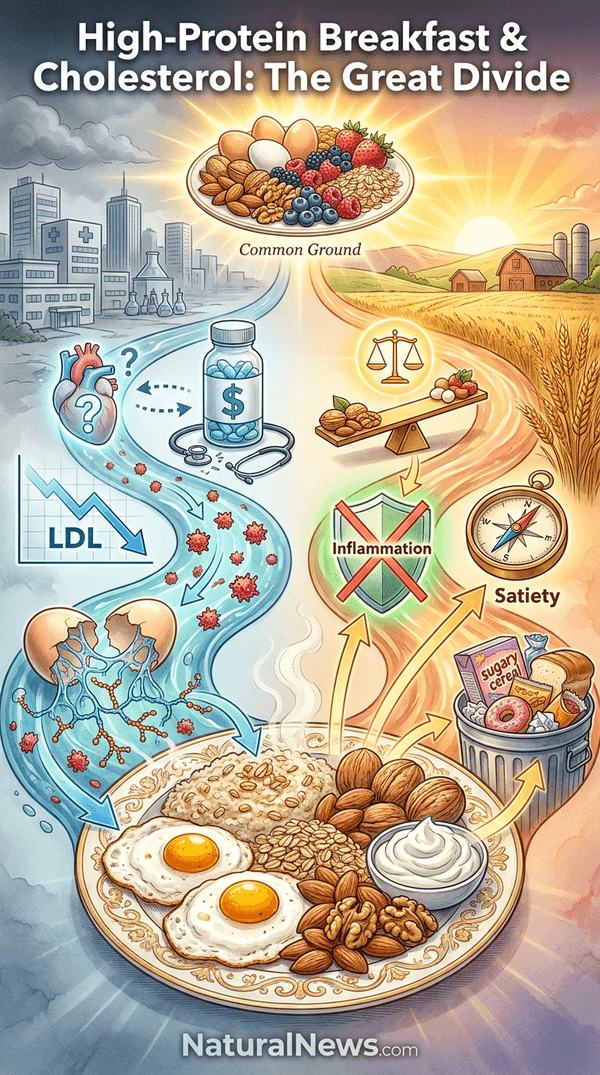
Explainer Infographic












Please contact us for more information.


