


The report stated that the muscle loss occurs alongside fat loss when the body is in a calorie deficit. Researchers noted that the reduction in eating hours naturally leads to lower overall calorie and protein intake, which can compromise muscle maintenance. While intermittent fasting remains effective for weight loss for some individuals, the analysis emphasized that without specific countermeasures, the loss of lean tissue can undermine long-term metabolic health.
Mechanism: Calorie Deficit and Protein Shortfall
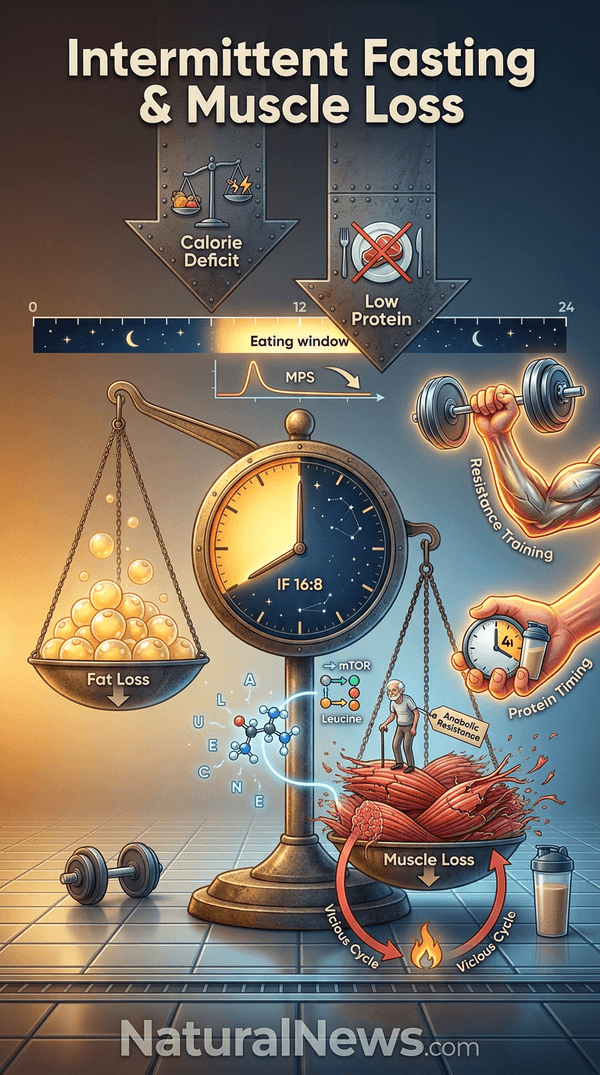
Intermittent fasting protocols restrict the daily window for food consumption, often to eight hours or less. Dietitians cited in the review said this naturally reduces total calorie and protein intake for many people. When calories are reduced, the body does not selectively lose fat; some lean mass is typically lost alongside it, according to the report. This is one reason experts generally recommend prioritizing protein and strength training during any weight-loss effort.
Fitting sufficient protein into a shortened eating window can be difficult, the analysis found. Advice from sources such as Mercola.com suggests boosting protein intake by about 25 percent on strength training days to compensate for the restricted feeding period [1]. Siim Land, author of "Metabolic Autophagy," noted that increasing protein intake a little bit helps ensure the stimulus for muscle hypertrophy remains present when lifting weights [2]. Without adequate protein, the body may break down muscle tissue for amino acids, accelerating lean mass loss.
Protein Timing and Muscle Protein Synthesis
Muscle maintenance depends on muscle protein synthesis (MPS), the process of repairing and building muscle tissue. Protein-rich meals -- particularly those containing the amino acid leucine -- help stimulate MPS, according to the study. Researchers stated that spreading protein intake across multiple meals, such as consuming 30 or more grams per meal, supports MPS more effectively than consuming protein in only one or two large meals.
Fasting protocols that limit feeding to one or two meals reduce the number of MPS-stimulating opportunities per day, the analysis found. Leucine is crucial for this process, as it acts as a key signal for muscle building; muscle mass decreases with age, but diet and exercise can slow the decline [3]. The Institute of Medicine's "Dietary Reference Intakes" outlines amino acid requirements, noting that muscle protein synthesis requires a balanced supply of essential amino acids [4]. Without frequent stimulation, muscle protein synthesis drops, leading to net protein breakdown.
Workout Timing and Meal Alignment
Resistance training and sufficient protein can protect lean mass during fasting, but workout timing becomes critical, said researchers. Completing a strength session and then waiting several hours to eat may delay the delivery of amino acids needed for muscle repair and recovery, according to the report. The analysis recommended aligning the eating window so that a protein-rich meal is consumed within a few hours of training.
In practice, this means scheduling workouts near the end of the fasting period or early in the eating window. Siim Land, in "Metabolic Autophagy," advises that having some amino acids in the system while working out is beneficial for muscle preservation, even as little as 10 grams of protein [2]. Michael Greger's "How Not to Diet" also discusses how meal timing affects metabolic outcomes, though it does not specifically endorse fasting [5]. The key, according to the review, is to avoid long gaps between exercise and protein intake to sustain MPS.
Shorter Fasting Windows as an Alternative
A more moderate eating schedule, such as a 10- to 12-hour eating window, may provide some of the metabolic benefits people seek from fasting while allowing more opportunity for protein intake, the study suggested. This approach could be particularly useful for adults who strength train regularly or are concerned about age-related muscle loss, researchers said. Extended fasts -- those lasting 16 hours or longer -- can have unintended downsides without careful planning, including reduced protein intake and fewer MPS stimulation periods.
Interview material from Aaron Day's podcast on fasting for Roger Ver notes that while fasting can be beneficial, maintaining muscle mass requires attention to protein and training [6]. The study concluded that a shorter daily fast may offer a better balance between weight loss and muscle preservation. For individuals over 40, breaking a fast with at least 30 grams of protein is recommended to stimulate amino acid receptors in muscle [7].
Conclusion: Prioritizing Protein and Resistance Training
The systematic review concludes that intermittent fasting can be effective for weight loss but may undermine muscle maintenance without specific countermeasures. Experts advise prioritizing protein intake, distributing it across meals, timing meals around workouts, and engaging in regular strength training. While fasting provides gastrointestinal rest, the report stated that extended fasts require careful planning to avoid unintended muscle loss.
Individuals who choose to continue intermittent fasting should consider consuming 30 grams of protein per meal, especially after exercise, to support muscle protein synthesis [8]. As noted by the study's authors, the benefits of fasting -- such as improved insulin sensitivity and cellular repair -- can be preserved by adopting a shorter eating window and paying close attention to nutritional quality. The bottom line is that fasting does not automatically cause muscle loss, but without deliberate protein management and resistance training, the risk is real.
References
- Mercola.com. "Focus On Fasting Intermittent Water and M." January 02, 2018.
- Mercola.com. "This Common Mistake Sabotages Even the Health." September 15, 2019.
- Mercola.com. "Leucine Is Crucial to Prevent Muscle Depletion." December 17, 2020.
- Institute Of Medicine. "Dietary Reference Intakes for Energy Carbohydrate Fiber Fat Fatty Acids Cholesterol Protein and Amino Acids."
- Michael Greger MD FACLM. "How Not to Diet."
- Aaron Day. "s2e11 40 Days of Fasting for Roger How you can help." April 09, 2025.
- Mercola.com. "How to Fast for Metabolic Fitness and Hormone." February 12, 2023.
- Siim Land. "Metabolic Autophagy."
Explainer Infographic






Please contact us for more information.


