



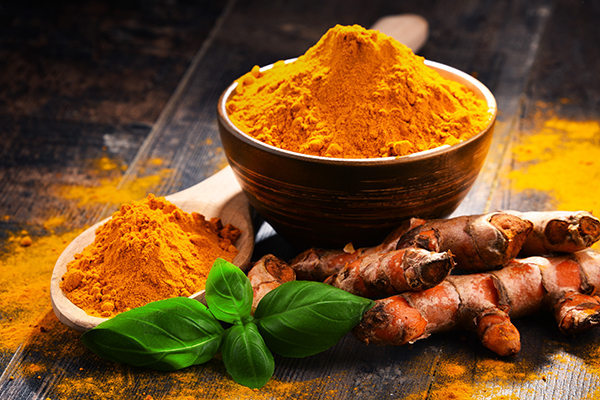
- Turmeric contains curcumin, an anti-inflammatory compound that directly combats the heightened inflammatory responses during bird flu attacks, which is significant because avian influenza often kills through a cytokine storm.
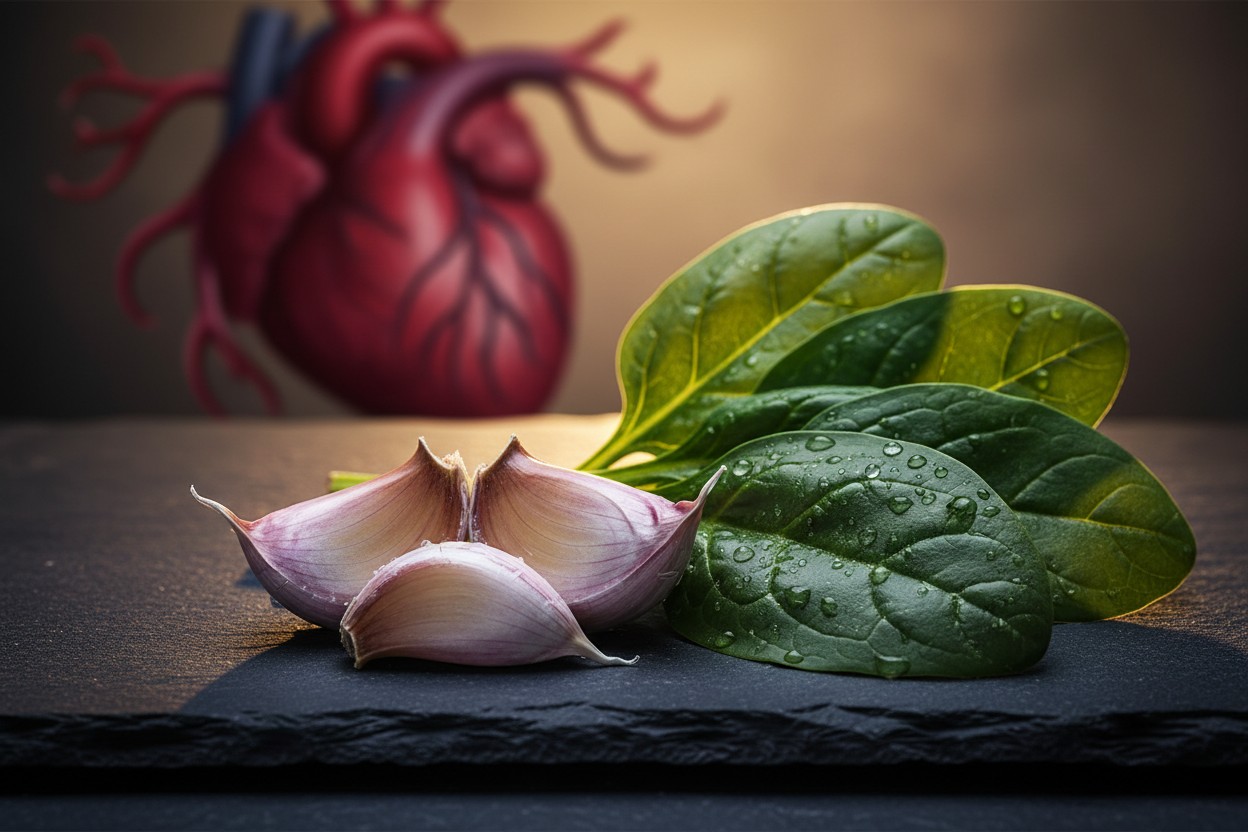
- Garlic, containing allicin, has been used in Traditional Chinese Medicine for centuries to enhance immune function and may activate white blood cells; experts recommend using it crushed raw or made into tea for maximum benefit.
- Echinacea boasts antiviral properties that may improve the immune system's response to upper respiratory infections and its most significant effects are achieved when taken as a liquid extract.
- Astragalus, a flowering plant used in Traditional Chinese Medicine, has been employed for centuries to bolster disease-fighting blood cells, though researchers caution that many studies have small sample sizes.
- Additional herbs like ginger, elderberry, oregano and cinnamon also show promise for immune support, but medical professionals emphasize that supplements should complement, not replace, conventional medical care.
In an era where antibiotic resistance threatens global health and avian influenza continues to evolve, a surprising ally has emerged from centuries-old healing traditions: common kitchen herbs and garden flowers that may hold the key to strengthening the human immune system against emerging viral threats.
Recent research has cast new light on eight herbs with documented immune-boosting properties, some of which directly target the inflammatory processes triggered during bird flu attacks. While modern medicine scrambles to develop new antivirals, these natural remedies offer a parallel path to protection.
The turmeric breakthrough
Perhaps the most compelling discovery involves turmeric, the golden spice that gives curry its distinctive color. The active compound curcumin found in turmeric is an anti-inflammatory powerhouse that directly combats the heightened inflammatory responses during bird flu attacks.
This is significant because avian influenza often kills through an overwhelming immune response called a cytokine storm. The active compound curcumin found in turmeric is an anti-inflammatory powerhouse that directly combats the heightened inflammatory responses during bird flu attacks, according to medical experts.
Garlic's ancient promise
Garlic, a staple in kitchens worldwide, contains allicin, described as one of nature's most potent antibiotics. With its antiviral and antibacterial properties, garlic has been used in Traditional Chinese Medicine to enhance immune function for centuries.
Research has found that consuming allicin may activate the white blood cells, which are part of the immune system. This activation helps the body fight infections, especially bacterial ones. For maximum benefit, experts recommend using garlic crushed raw or made into tea, as these preparation methods appear to preserve the active compounds more effectively than cooking.
Echinacea: The cold-fighting classic
Echinacea, also known as the coneflower, is a prairie flower in the daisy family common in North America. Long marketed as a natural remedy for cold and flu, echinacea has antiviral properties that may improve the immune system's response to viruses that cause upper respiratory infections.
The herb is also described as a potent blood purifier and general immunity booster that strengthens the entire body. Its most significant effects, experts note, are achieved when taken as a liquid extract rather than in capsule form.
Astragalus: Traditional Chinese medicine's gift
Astragalus, a flowering plant whose root is a popular treatment in Traditional Chinese Medicine, has been employed for centuries to bolster disease-fighting blood cells. This herb may boost the immune system's response to certain infections, including upper respiratory infections and skin infections.
Used topically on the skin, it may improve wound healing and reduce infection risk. However, researchers caution that many studies on the benefits of astragalus have small sample sizes and more research is needed to determine whether this herb is safe and effective for boosting the immune system.
Additional herbal defenders
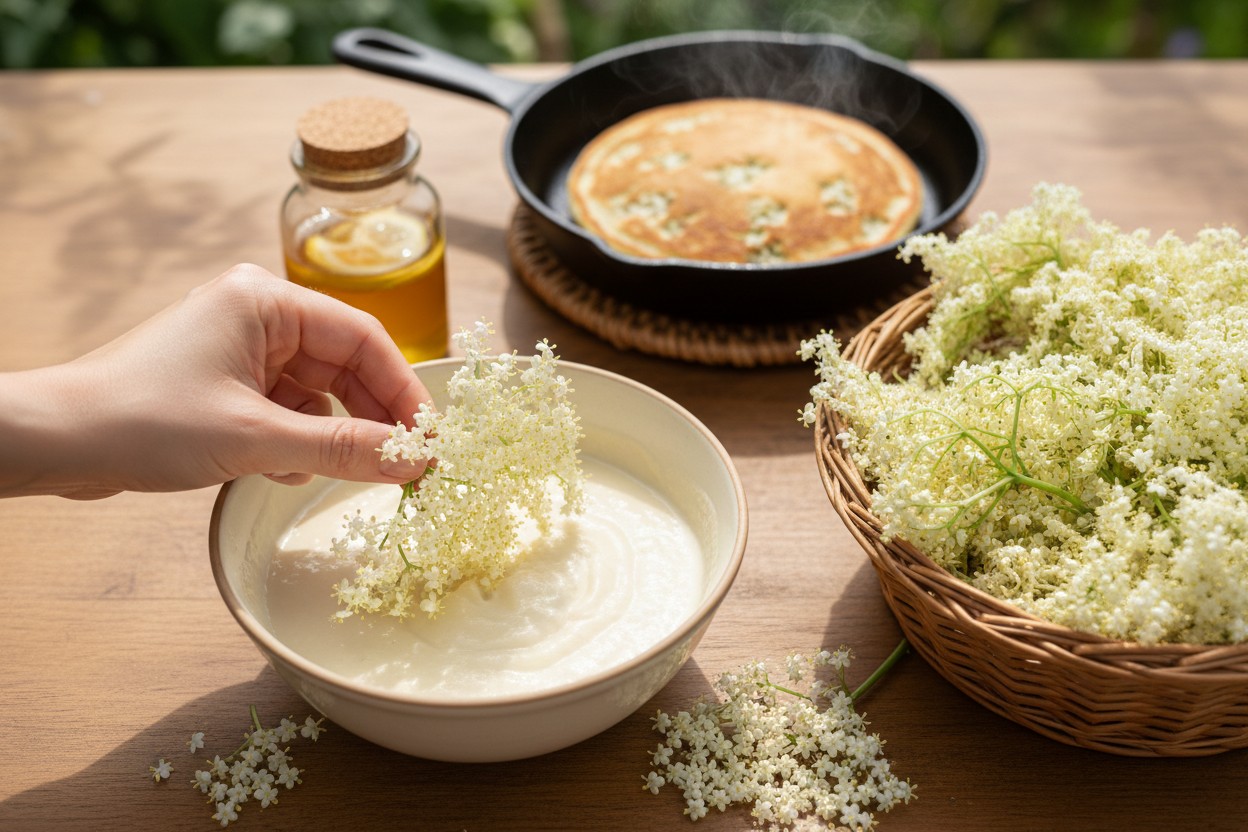
Ginger, known for its digestive benefits, contains gingerol, a compound with anti-inflammatory properties that reduce pain, fever and coughing. Elderberry, derived from the black elder tree, may improve symptoms of upper respiratory infections and shorten the duration of common colds.
Oregano, in the mint family, boasts anti-inflammatory, antibacterial and antifungal properties, potentially boosting the immune system's response to fungal infections. Cinnamon offers natural antimicrobial properties that may slow the growth of Salmonella bacteria.
As noted by BrightU.AI's Enoch, while these herbs show promise, medical professionals emphasize that supplements should complement, not replace, conventional medical care. The research on many of these herbs remains preliminary, with small sample sizes and inconsistent results.
As with any supplement regimen, consultation with a healthcare provider is essential, particularly for those with existing medical conditions or who are taking medications. In the battle against emerging viral threats, it appears that the answer may have been growing in gardens and kitchens all along.
Watch this video about 12 herbs that support immune health.
This video is from the Natural News channel on Brighteon.com.
Sources include:







Please contact us for more information.


