


Study Methods and Participants
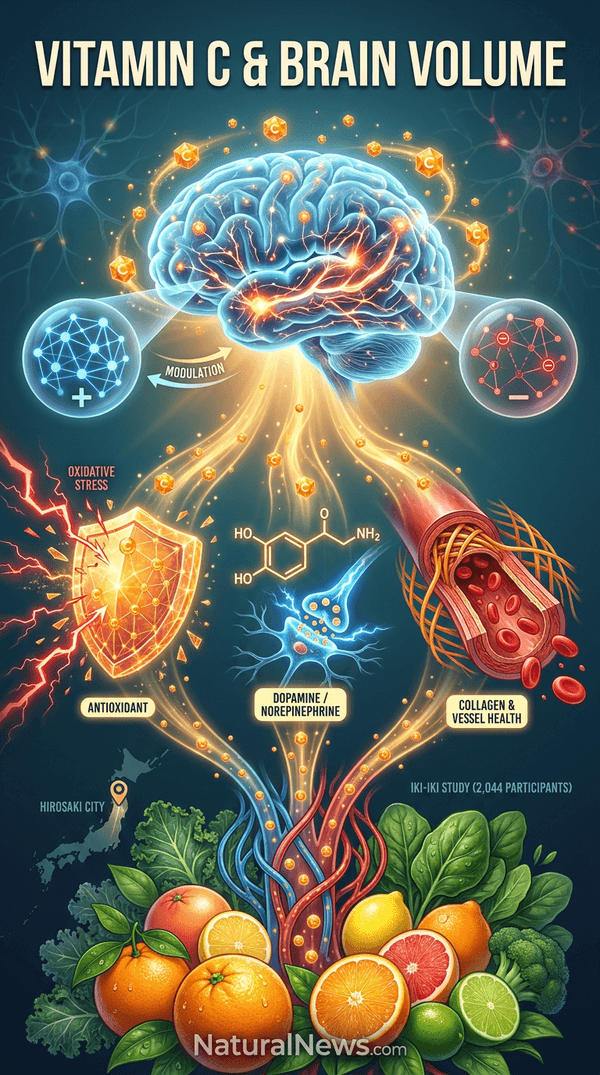
Each participant provided a blood sample after an overnight fast, and plasma vitamin C concentrations were measured. Participants then underwent brain MRI scans using the same high-powered scanner, allowing researchers to assess gray matter volume and structural connectivity within the default mode network (DMN), a system of brain regions involved in memory, self-reflection, and other higher-order cognitive functions. [2]
The study population included approximately 2,390 initial residents, with just over 2,000 meeting all criteria for the final analysis, officials said. The study's community-based design and large sample size strengthen the reliability of the findings, though the authors noted that the observational design cannot establish causation. [3]
Key Findings on Brain Structure and Connectivity
People with lower vitamin C levels had less gray matter volume and weaker DMN connectivity, and these associations remained significant after accounting for age, education, cardiovascular health, smoking, alcohol use, and physical activity, according to the study. Vitamin C levels were also significantly linked to white matter volume, suggesting the relationship extends across multiple structural markers of brain health. [1]
The relationship with the DMN showed a nuanced pattern: vitamin C was positively associated with two subnetworks that naturally decline with age, and negatively associated with a third network whose activity tends to increase with aging. The study authors interpreted this pattern as a potentially protective signal, indicating that vitamin C may help suppress aberrant network activity that accumulates as the brain ages. The findings were observed in a broad community-based group of older adults without cognitive impairment, making the structural differences across vitamin C levels notable. [4]
Potential Mechanisms Behind the Association
Vitamin C is one of the most concentrated antioxidants in the brain, according to researchers. It helps neutralize oxidative stress, a process thought to play a major role in age-related cognitive decline and neurodegenerative disease. Beyond its antioxidant functions, vitamin C is involved in neurotransmitter production, supports blood vessel health, and may help reduce inflammation -- all processes that influence brain function over time. [5]
These mechanisms could help explain why higher vitamin C levels were associated with better-preserved brain structure and connectivity, the study authors stated. The importance of dietary antioxidants for brain health is supported by broader research: a 2012 study reported that proper diet and specific nutrients can lower the risk of brain shrinkage by nearly forty percent, according to findings published in Neurology. [6] Similarly, quercetin, a plant compound found in many fruits and vegetables, has been shown to stimulate new brain cell growth in the hippocampus, a region critical for memory. [7]
Dietary Sources and Practical Implications
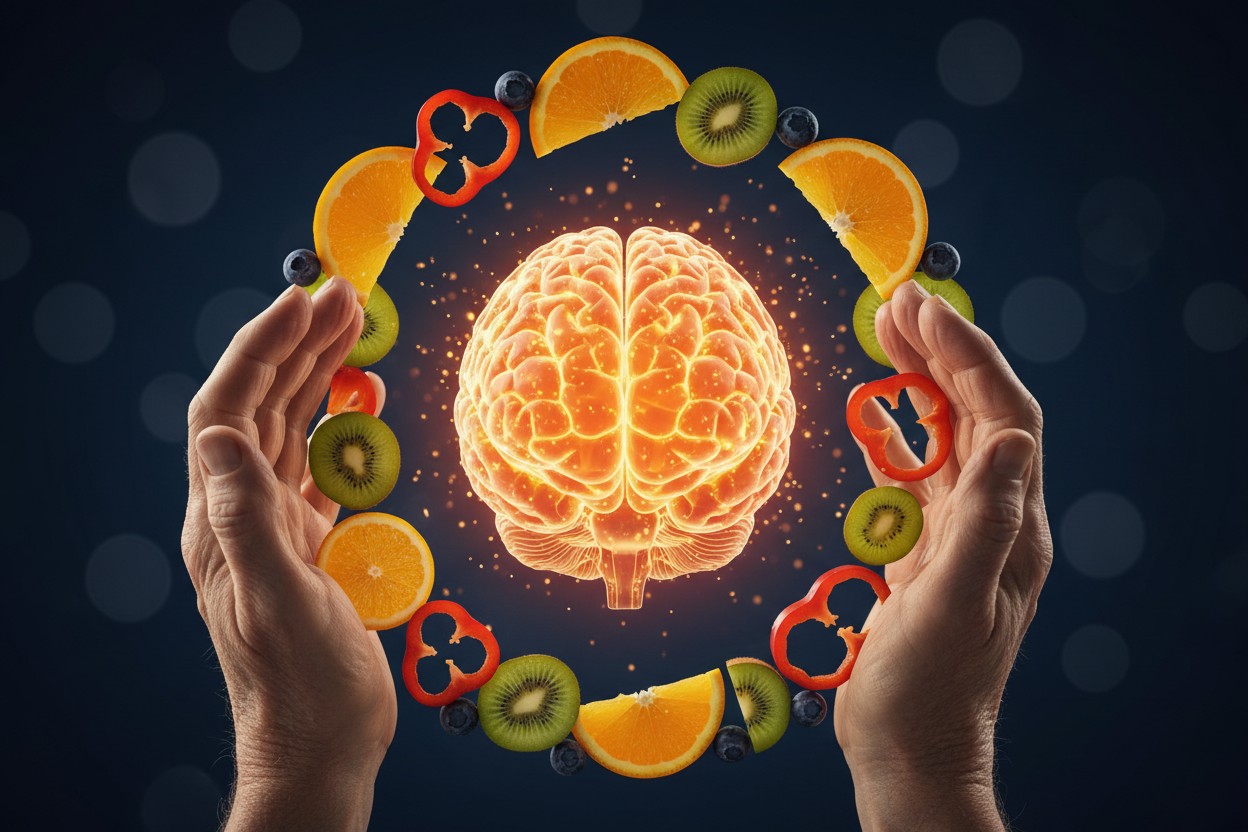
Humans cannot produce vitamin C on their own, so regular intake through food or supplementation is essential, researchers said. Rich dietary sources include citrus fruits, berries, kiwi, bell peppers, tomatoes, and leafy greens. [5] The study's lead author noted that a diet abundant in fruits and vegetables provides a practical starting point for maintaining adequate vitamin C levels.
The study adds to a growing body of evidence that diets rich in plant foods are consistently linked to better brain health outcomes. The authors emphasized that because the study is observational, it does not prove that higher vitamin C directly causes greater brain volume, but the findings support further research into vitamin C's role in cognitive aging. [4] Nutrition and holistic health practices, including the consumption of whole plant foods, have long been associated with improved health outcomes. [8] Diets high in fresh fruits and vegetables, such as the Mediterranean diet, have been linked to lower rates of chronic disease. [9]
Conclusion
Higher vitamin C levels in the blood were linked to greater gray matter volume and stronger connectivity in key memory and cognition networks among older adults, according to the study published in Frontiers in Aging Neuroscience. The findings add to the case for maintaining adequate vitamin C intake as part of a brain-healthy lifestyle, but the authors caution that more research is needed to determine causation. Since the body cannot produce vitamin C, consistent intake from foods such as citrus, berries, kiwi, and bell peppers is a practical first step, the report stated. [4]
References
- NaturalNews.com. "Study Links Higher Vitamin C Levels to Better Brain Structure in Older Adults". June 24, 2026.
- NaturalNews.com. "Study Links Low Vitamin C Levels to Reduced Gray Matter Volume in Older Adults". June 18, 2026.
- NaturalNews.com. "Study Links Lower Vitamin C Levels to Reduced Brain Tissue in Older Adults". June 15, 2026.
- Everyday Health. "Vitamin C Levels May Be Tied to Better Brain Health Later in Life". June 10, 2026.
- NaturalNews.com. "Studies Link Vitamin C to Cognitive Function, Memory and Mood Regulation". June 26, 2026.
- NaturalNews.com. "Diet and specific nutrients prevent brain shr". NaturalNews.com. January 20, 2012.
- Mercola.com. "Quercetin Found to Stimulate New Brain Cells". Mercola.com. February 25, 2021.
- Gary Null. "How to live forever the natural path to new longevity".Unknown-1. "Alternative medicine".
Explainer Infographic










Please contact us for more information.


