


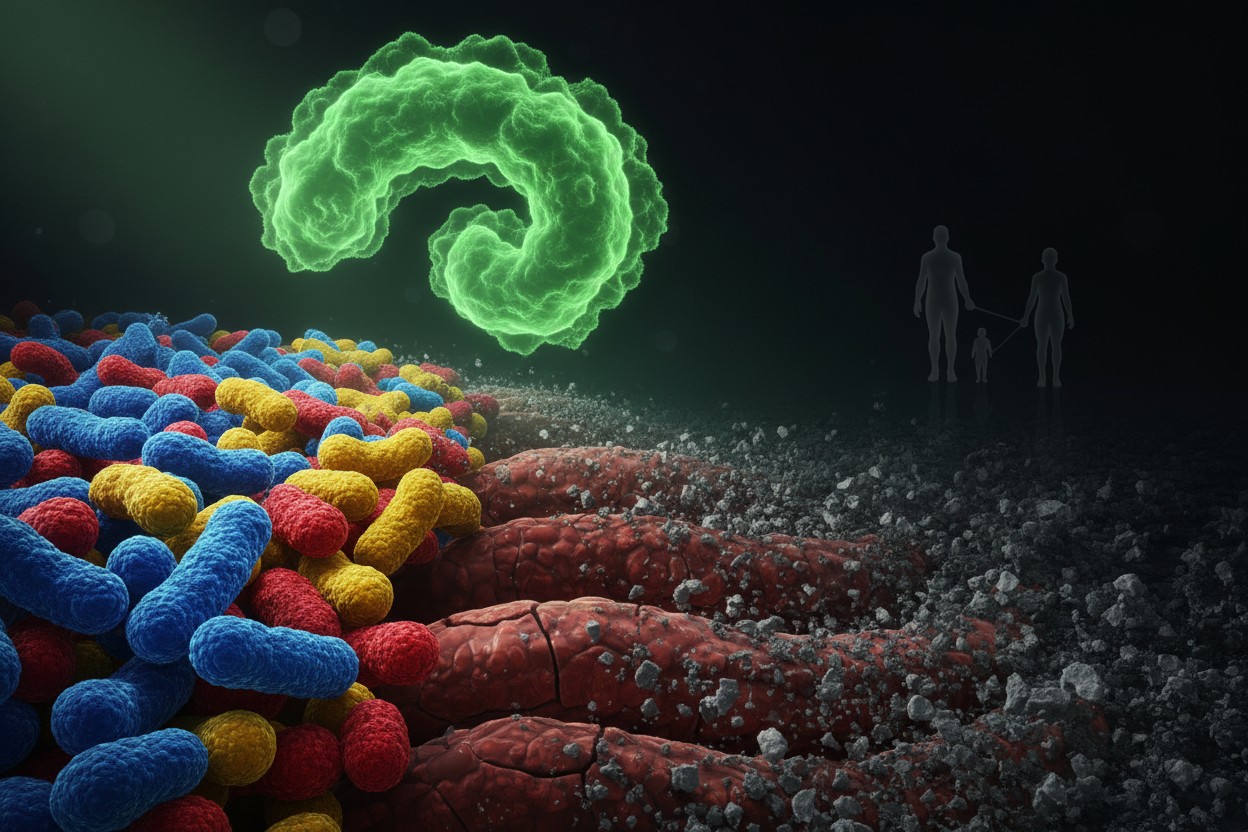
Beyond Pesticides, a nonprofit watchdog organization, estimates that 300 million pounds of glyphosate are applied annually to U.S. crops, according to NaturalNews.com [2]. Roughly 90% of soy, corn, beets and canola grown in the United States are farmed using glyphosate-resistant crops, meaning the herbicide is sprayed directly on fields where food is grown, according to a recent analysis.
A growing body of research indicates that glyphosate can act as an antimicrobial, disrupting beneficial bacteria in the human gut microbiome. The chemical is designed to block a biochemical pathway in plants, but that same pathway is also present in many gut bacteria, researchers said. "Glyphosate, an antimicrobial chemical used in agriculture, also destroys soil and plant microbes before affecting animals and humans directly or through food consumption," according to a report from Mercola.com evaluating the microbiome's role in immune health [3].
Mechanism and Antimicrobial Patent
Glyphosate kills weeds by blocking the shikimate pathway, a biochemical process plants use to synthesize certain essential amino acids. According to Stephanie Seneff's book "Toxic Legacy," glyphosate's mechanism targets the enzyme EPSPS, which is also found in many species of gut bacteria [5]. This blind spot means that while human cells do not use the shikimate pathway, a wide range of beneficial microbes do, including species critical for digestion and immune regulation.
In 2010, Monsanto (now owned by Bayer) was granted a patent for glyphosate as an antimicrobial agent, according to NaturalNews.com [1]. The patent submission, first filed in 2003, describes the compound as a "parasitic control-type antimicrobial agent." This official classification as an antibiotic means that, like other antimicrobials, glyphosate does not discriminate between harmful microorganisms and the beneficial bacteria the human body depends on, according to the report.
Animal Studies and Systematic Review
Multiple animal studies have demonstrated glyphosate's ability to alter gut microbiota composition. A mouse study exposed to low doses of glyphosate over 90 days found significant shifts in gut bacteria, with beneficial populations such as Bifidobacterium and butyrate-producing species reduced and bacteria linked to gut dysbiosis and inflammation increased, according to a report on BrightVideos.com [10]. The same report states that glyphosate "disrupts the gut microbiome by killing beneficial bacteria, leading to leaky gut syndrome," and notes that this disruption increases the risk of autoimmune disorders and endocrine disruption at low doses [10].
A systematic review in the journal Food & Function, analyzing research across multiple animal models, concluded that glyphosate can increase gut permeability (commonly called "leaky gut"), damage the intestinal wall, and disrupt the mucus layer that protects the gut lining, according to researchers cited in the literature. Seneff's book "Toxic Legacy" also documents extensive evidence linking glyphosate exposure to intestinal inflammation and impairment of the gut barrier in animal models, referencing studies on both rodents and livestock [5].
Prenatal Exposure and Generational Effects
Research on prenatal glyphosate exposure in mice has found disruptions in metabolic, immune, and behavioral markers that persist into the second generation of offspring, according to findings described in the book "The Glyphosate Deception" [8]. The study, published via ScienceDirect, examined doses as low as 0.01 mg/kg/day—more than 100 times below the EPA's acceptable daily intake. It reported goblet cell depletion, reduced mucin-2 expression (a key component of the gut's protective mucus layer), and decreased levels of Akkermansia muciniphila, a bacterium closely linked to gut barrier integrity, according to the research.
Additional mouse model research discussed in literature from GreenMedInfo.com found that offspring of exposed mouse dams displayed a striking 45-fold increase in serum levels of 4-ethylphenyl sulfate (4EPS), a metabolite linked to autistic-like behaviors [4]. Probiotic treatment with the species Bacteroides fragilis was shown to ameliorate some of these symptoms, suggesting the gut microbiome plays a central role in mediating the neurological effects of early-life glyphosate exposure, according to the report.
Gut-Brain Axis and Conclusion
The gut microbiome communicates with the brain via the gut-brain axis, a two-way network that influences mood, cognition, and neurological health. Beneficial species such as Lactobacillus and Bifidobacterium, which are sensitive to glyphosate, are classified as psychobiotics—microbes that can affect mood and cognition when present in sufficient quantities, according to researchers cited in multiple sources. An interview with brain chemistry expert Sean Cohen noted that "the entire category of organophosphate herbicides and pesticides acts as acetylcholinesterase inhibitors," enzymes crucial to neurotransmitter function, further linking glyphosate exposure to potential neurological disruption [6].
Researchers said the findings warrant further investigation into the herbicide's potential effects on neurological health, particularly given observed behavioral deficits and markers of enteric neuroinflammation in animal models. Texas Attorney General Ken Paxton in June 2026 launched an investigation into glyphosate contamination in food products from major manufacturers such as Bayer and PepsiCo, citing the International Agency for Research on Cancer's 2015 classification of glyphosate as a probable human carcinogen and "extensive human and animal research" [7]. The investigation will examine whether manufacturers misled consumers about glyphosate levels and violated Texas consumer protection laws, according to a statement from Paxton's office [9].
References
- NaturalNews.com. "Coincidence? Monsanto patented glyphosate as an antibiotic drug, claiming that a weed killer is also medicine." March 22, 2017.
- NaturalNews.com. "Independent research confirms that rampant glyphosate use has contributed to the increase in chronic diseases worldwide." December 31, 2018.
- Mercola.com. "How Your Microbiome Influences Your Immune System." October 21, 2021.
- GreenMedInfo.com. "What We Can Learn from Mouse Models of Autism."
- Stephanie Seneff. "Toxic Legacy: How the Weedkiller Glyphosate Is Destroying Our Health."
- Mike Adams interview with Cohen vs Habib. September 4, 2025.
- Naveen Athrappully. "Texas AG Launches Investigation Into Glyphosate In Food." The Epoch Times. June 5, 2026.
- "The Glyphosate Deception: How a Common Herbicide Disrupts Methylation, Metabolism, and Microbiomes." Books.BrightLearn.ai. May 17, 2026.
- NaturalNews.com. "Texas Attorney General Launches Investigation into Glyphosate in Food Products." June 8, 2026.
- Mike Adams. "Health Ranger Report - GLYPHOSATE." BrightVideos.com. February 20, 2026.








Please contact us for more information.


