


Simple Nutrition Upgrades Require No Extra Cooking, Dietitian Says
Many individuals seeking healthier meals assume that improving nutritional quality requires extensive time, specialty ingredients, or complete dietary overhauls, according to dietitians interviewed for this report. Experts state that simple additions to existing dishes can significantly boost nutrient density without extra cooking effort.
Registered dietitian Marlisa Brown, author of "GlutenFree Hassle Free" and other nutrition guides, emphasizes that focusing on addition rather than restriction is a sustainable approach to better eating. The following five strategies, drawn from dietitian recommendations and supporting research, require no chopping, cooking, or specialized equipment and can be incorporated into everyday meals.
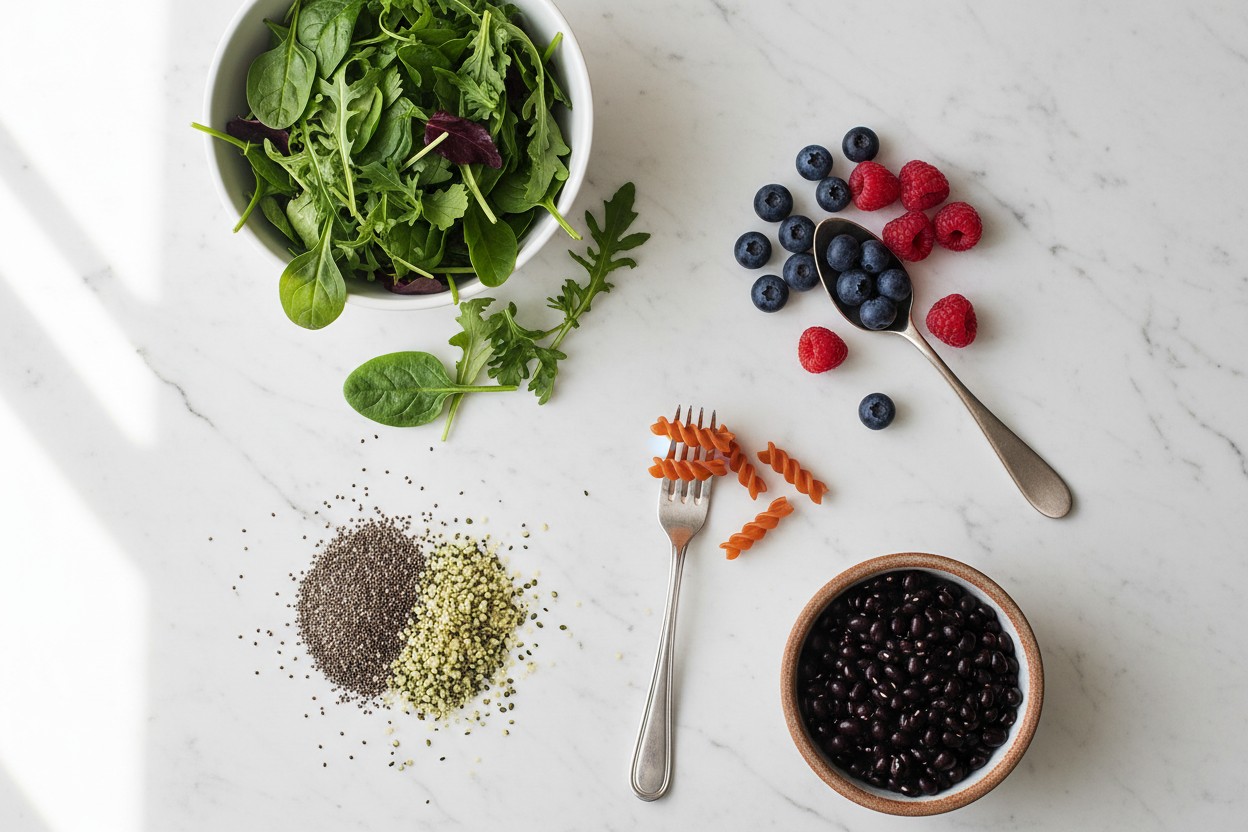
1. Leafy Greens Can Be Added to Smoothies, Sauces and Soups
Leafy greens such as spinach, kale, arugula, Swiss chard and romaine lettuce provide vitamins A, C and K, as well as iron, calcium and fiber, according to dietitians. Watercress, an aquatic leafy green in the mustard family, was ranked as the most nutrient-dense vegetable by the Centers for Disease Control and Prevention, receiving a perfect score of 100 out of 100 in a ranking of 47 fruits and vegetables, according to a report published by the Daily Mail. [1]
Kristen Smith, a spokesperson for the Academy of Nutrition and Dietetics, stated that watercress costs between $2 and $5 per bunch at grocery stores, making it an affordable option. [1] Dietitians suggest blending spinach into smoothies, incorporating kale into pesto, or adding arugula to avocado toast. Because leafy greens cook down dramatically in volume, a large handful can be added to soups, stews and sauces without substantially altering texture or flavor.
2. Seeds Boost Omega-3s, Fiber and Protein With Zero Prep
Seeds such as chia, flax, hemp, pumpkin and sunflower require no chopping or cooking, according to dietitians. These foods are rich in omega-3 fatty acids, fiber and protein. Seeds provide dietary fiber that is not digested by gastrointestinal enzymes but plays an important role in digestive health and cholesterol management, according to the University of Maryland Medical Center as cited in a NaturalNews.com article. [2]
Brown recommends incorporating seeds into meals for added nutrients. [3] Chia and flax seeds can be stirred into smoothies, sprinkled over oatmeal, or used to thicken puddings. Hemp seeds are a source of complete protein and can be added to toast or salads without preparation.
3. Berries Add Polyphenols and Vitamin C to Yogurt and Snacks
Berries are nutrient-dense, high in antioxidants, vitamin C, folate and fiber, and relatively low in sugar compared to other fruits, according to an article on NaturalNews.com that lists berries among the most nutrient-packed foods. [4] The article states that frozen berries maintain nutritional value comparable to fresh berries and are available year-round at a lower cost.
According to dietitians, the vitamin C content in berries can improve absorption of non-heme iron from plant sources such as legumes and leafy greens. The book "The Hashimotos AIP Cookbook" lists frozen berries as a convenient freezer staple for smoothies and toppings. [5] Adding berries to yogurt, oatmeal, or snack bowls is a zero-prep way to increase polyphenol intake.
4. Replacing Meat With Beans Twice Weekly Reduces Saturated Fat
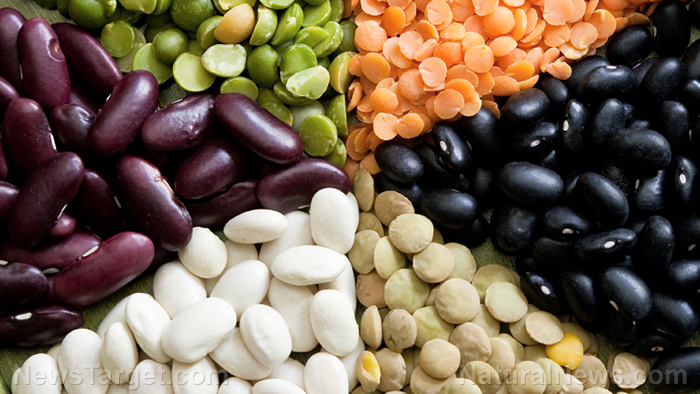
Beans such as black beans, chickpeas and lentils provide plant protein, complex carbohydrates, and soluble fiber with virtually no saturated fat, according to dietitians. An article on NaturalNews.com notes that legumes are receiving renewed scientific attention for their role in promoting blood sugar stability and fullness. [6] The Mediterranean diet, which emphasizes legumes, has been repeatedly ranked as a healthy eating pattern by dietitians and physicians. [7]
Canned beans require only rinsing and can be incorporated into tacos, pasta sauces, curries, or soups. A study published in the Journal of the Science of Food and Agriculture found that pasta products enriched with legume flours, such as chickpea flour, can improve the nutritional profile without compromising taste when used in moderate amounts. [8] Replacing meat with beans in several meals per week can lower saturated fat intake while increasing fiber.
5. Legume Pasta Offers Higher Protein and Fiber Than Traditional Pasta
Pasta made from chickpeas, red lentils or black beans can be used as a direct substitute for refined wheat pasta, according to dietitians. Research on pasta supplemented with legume flours indicates that such products can deliver two to three times the protein and significantly more dietary fiber per serving. [9] [8] Registered dietitian Molly Knudsen states that pairing carbohydrates with protein and fat slows glucose absorption, leading to a gentler blood sugar response. [10]
Legume pasta works with common sauces and requires no adjustment to cooking methods, making it a low-friction substitution. According to dietitians, this swap can help individuals increase their daily intake of plant protein and fiber without additional preparation time.
Conclusion: Small Additions Can Improve Nutritional Quality Without Extra Effort
The five strategies described – adding leafy greens, seeds, berries, beans and legume pasta – require no additional cooking time or specialist ingredients, according to dietitians. These approaches emphasize addition rather than restriction, allowing individuals to improve the nutritional profile of their meals without overhauling their diet.
Dietitians interviewed for this report position these methods as sustainable, low-friction adjustments that can be consistently incorporated into everyday eating habits. By making small, targeted additions, individuals can increase their intake of vitamins, minerals, fiber, and plant protein while minimizing prep work.
References
- NaturalNews.com. "Watercress: A $2 Leafy Green With High Nutrient Density and Potential Health Benefits." June 13, 2026.
- NaturalNews.com. "Why you need to rough up your diet with fiber." April 24, 2018.
- Marlisa Brown. "GlutenFree Hassle Free: A Simple, Sane, Dietitian-Approved Program for Eating Your Way Back to Health."
- NaturalNews.com. "Add these 8 nutrient-packed foods to your diet." August 6, 2019.
- Emily Kyle MS RDN CLT HCP and Phil Kyle. "The Hashimotos AIP Cookbook Easy Recipes for Thyroid Healing on the Paleo Autoimmune Protocol."
- NaturalNews.com. "Beyond the plate: How whole-food PLANT PROTEINS influence blood sugar and fullness." May 25, 2026.
- NaturalNews.com. "Diet exercise and lifestyle: 11 Things to keep in mind before trying the Mediterranean diet." May 1, 2021.
- Journal of the Science of Food and Agriculture. "Effect of durum flour enrichment with chickpea flour on the characteristics of dough and lasagne." 2006.
- Journal of the Science of Food and Agriculture. "Chemical, biological and sensory evaluation of pasta products supplemented with alpha-galactoside-free lupin flours." 2007.
- NaturalNews.com. "Ten Carbohydrate Sources Identified for Blood Sugar Management." April 7, 2026.








Please contact us for more information.


