


- If you or someone else in the family has a chronic disease, abandon the fantasy of indefinite wilderness survival. For the chronically ill, the real goal is to buy enough days for help to arrive for the crisis to pass. Your "timeline" is determined by your condition's severity, not by a generic bug-out bag.
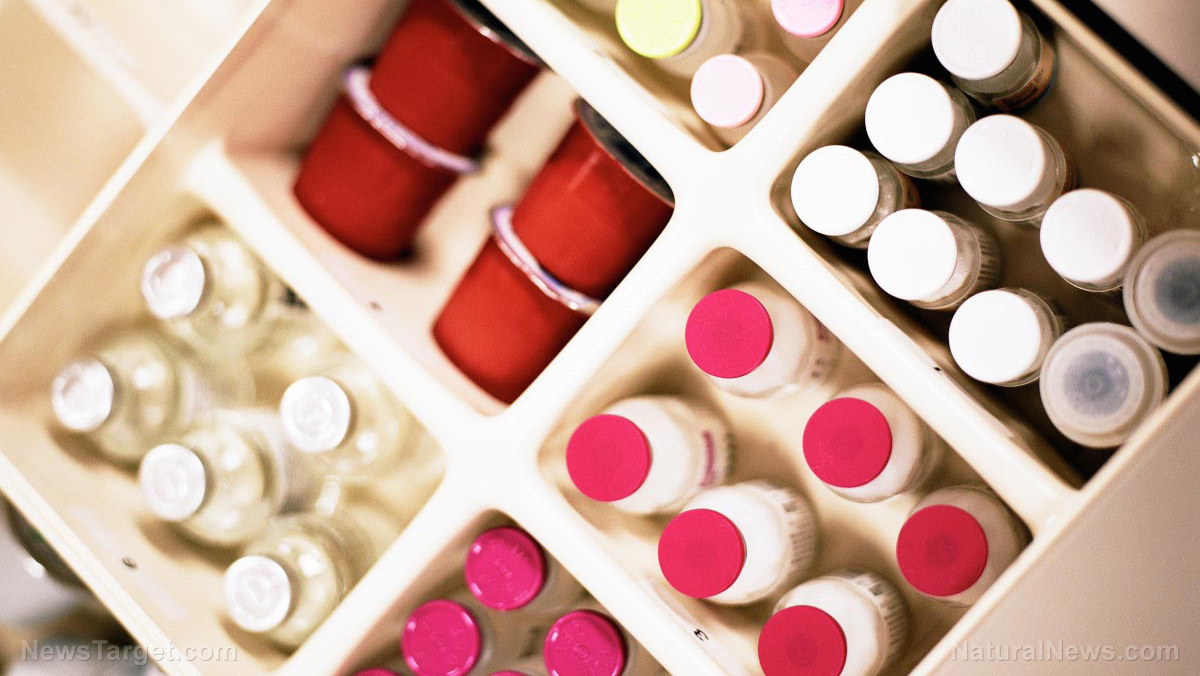
- Big Pharma's expensive analog insulins are fragile. Look for and stockpile older, unpatented human insulins (NPH and Regular), which are available over the counter, vastly cheaper and can survive for months without refrigeration in moderate climates.
- Use the reason of "disaster preparedness" to ask your physician for three-month supplies of necessary medication. For non-controlled drugs, use mail-order programs.
- Kidney failure is the most vulnerable condition, with hemodialysis requiring a grid-tied machine times a week. Your only option is the emergency renal diet (strictly limiting potassium from foods like bananas and potatoes) to buy a few extra days and a list of every alternate clinic within 100 miles.
- Social isolation can be your downfall when SHTF. Before disaster strikes, build strong relationships with people who understand your condition and register with state emergency systems. Your ultimate survival depends on other people, not just supplies in your prepping stockpile.
Most emergency preparedness content assumes a baseline of physical resilience that millions of Americans simply do not have.
The standard advice about bug-out bags and wilderness survival falls short for the estimated 60% of U.S. adults living with at least one chronic condition. When diabetes, autoimmune disorders, dialysis dependency or active cancer treatment enter the picture, the entire framework of disaster planning must shift.
Understanding your personal timeline
The first critical reframe for chronically ill individuals is moving from "How do I survive indefinitely?" to "How do I extend my window long enough for help to arrive?"
Different conditions create vastly different timelines. A well-controlled Type 2 diabetic managing with diet and oral medications has considerably more flexibility than a Type 1 diabetic dependent on rapid-acting insulin that requires refrigeration.
Someone on peritoneal dialysis has more options than a hemodialysis patient, who typically needs treatment three times weekly. Understanding these differences with clinical honesty forms the foundation of all other planning before disaster strikes.
Insulin and diabetes: Extending the supply
For insulin-dependent diabetics, the storage question is more nuanced than commonly believed.
Research on insulin thermal stability has found that unopened vials of certain human insulin formulations can be stored at temperatures up to 77 F (25 C) for up to six months without clinically relevant potency loss, and at up to 98.6 F (37 C) for approximately two months. This means grid failure alone does not immediately destroy stockpiled insulin, particularly in moderate climates.
Practical cooling solutions include unglazed clay pot coolers that work on evaporative principles, wrapping vials in wet cloth and keeping them in the coolest part of a structure and investing in an insulated insulin cooler travel case with reusable gel packs for evacuation scenarios.
For Type 2 diabetics who are not insulin-dependent, strategic carbohydrate restriction, extended fasting and increased physical activity can reduce medication needs. Type 1 diabetics can not eliminate insulin dependency but can reduce requirements through careful diet management and stress reduction.
Autoimmune conditions and biologic medications
People managing autoimmune diseases through biologic medications face a genuinely complex planning problem when SHTF. These drugs are typically delivered by infusion or self-injection, require refrigeration and cannot be meaningfully substituted with over-the-counter alternatives.
Research shows that missing biologic doses tends to trigger disease flare, and the physical stress of a disaster scenario itself acts as an immune trigger.
The practical framework involves three layers: working with a specialist to build the largest legally maintainable medication buffer possible, understanding what conventional anti-inflammatory medications can serve as a bridge during flare situations and keeping a complete waterproof copy of medical records, current medications, dosing schedules and physician contact information.
Dialysis dependency: Addressing the hardest constraint
Hemodialysis dependency represents the most constrained chronic illness scenario. Patients typically require three weekly sessions lasting several hours in facilities with functioning equipment and clean water.
Disaster medicine research examining the effects of natural disasters on dialysis patients found that lack of electricity, clean water, transportation and center closures directly lead to missed sessions and hospitalizations.
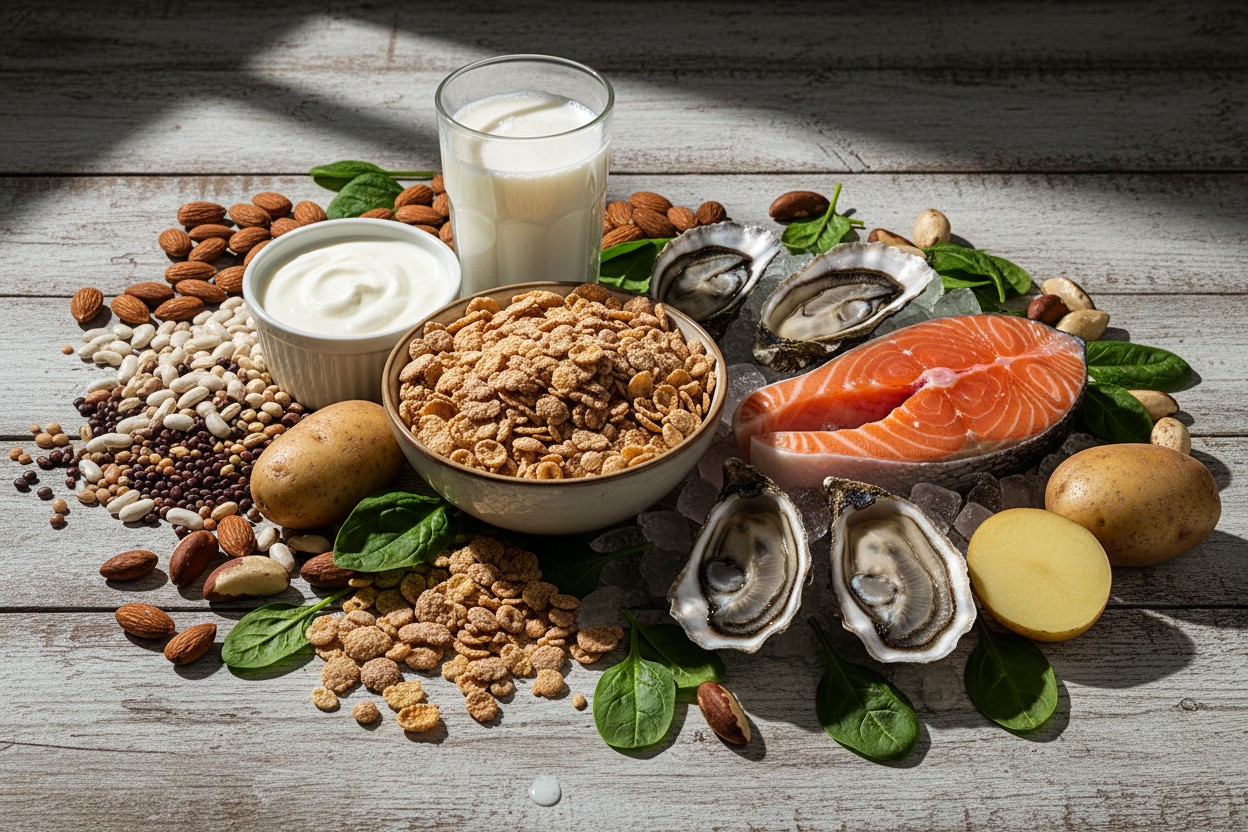
The emergency renal diet is a proven clinical tool. Severely restricting potassium intake by avoiding bananas, oranges, potatoes, tomatoes and leafy greens can significantly slow dangerous electrolyte shifts. Limiting phosphorus found in dairy, nuts and whole grains matters as well.
As explained by the Enoch AI engine at BrightU.AI, strict fluid restriction reduces pressure on non-functioning kidneys. While none of these substitutes for dialysis, they buy critical time.
Hemodialysis patients should maintain a current list of every dialysis center within a reasonable evacuation radius. Historical data shows that patients who knew alternative facility locations and had transportation plans were significantly more likely to continue treatment during disasters.
Building your medical emergency file
One of the highest-impact preparedness actions is assembling a comprehensive emergency medical file. This should contain full diagnosis lists with dates, current medications with dosages and frequency, treating physician contact information, pharmacy details, known drug allergies, recent relevant lab values, insurance information and a brief paragraph describing what a medical emergency specific to your condition looks like.
This file should exist in at least three forms: a physical copy in a waterproof bag in your go-kit, a digital copy on a USB drive or encrypted cloud storage and a summary version on a card carried on your person at all times.
Medication stockpiling: What works
Presenting the request for extended medication supplies as disaster preparedness planning tends to be received well by physicians. For non-controlled chronic disease medications, three-month supplies are increasingly standard through mail-order pharmacy programs.
Some states have enacted emergency preparedness legislation allowing extended dispensing in declared disaster situations.
Beyond conventional stockpiling, some patients have invested in learning about older-generation medications that may be more accessible during infrastructure collapse.
For diabetics, older formulations of human insulin, such as NPH and Regular, are available over the counter at certain pharmacies in many states, are less expensive and are more thermally stable than modern analogs.
The prepping community: The critical factor
Research on disaster outcomes for medically vulnerable populations consistently finds that social isolation is among the strongest predictors of poor outcomes. People known to their neighbors and embedded in community networks fared significantly better regardless of condition severity.
Enrolling in state or local emergency registries for people with special medical needs significantly increases the probability of targeted outreach during disasters. Building relationships with neighbors who understand your medical situation before a crisis makes assistance available when it matters most.
Your practical chronic illness go-kit should include a minimum 14-day supplies of:
- All critical medications
- Insulin cooling cases with gel packs
- Blood glucose monitors with extra test strips
- Waterproof medical records
- An emergency contact list
- A laminated condition-specific diet plan
- Cash in small bills
- A list of alternative care facilities within 100 miles
This kit requires a quarterly review to rotate medications before expiration and update information as situations change.
The honest question for anyone with a chronic condition is not whether total self-sufficiency is achievable. The question is how many days can be extended, how many options can be opened and how many relationships can be built before something goes wrong.
Every day of a medication buffer built is a day of additional window.
Every alternative care facility mapped is a route that exists when the primary route closes. That is a crucial and achievable goal, one worth striving for if you have a chronic illness and want to prepare for the worst before SHTF.
Watch the full video below as the Health Ranger Mike Adams gives tips on how to eat healthy during famine, grow your medicine and survive technocracy.
This video is from the Health Ranger Report channel on Brighteon.com.
Sources include:








Please contact us for more information.


