


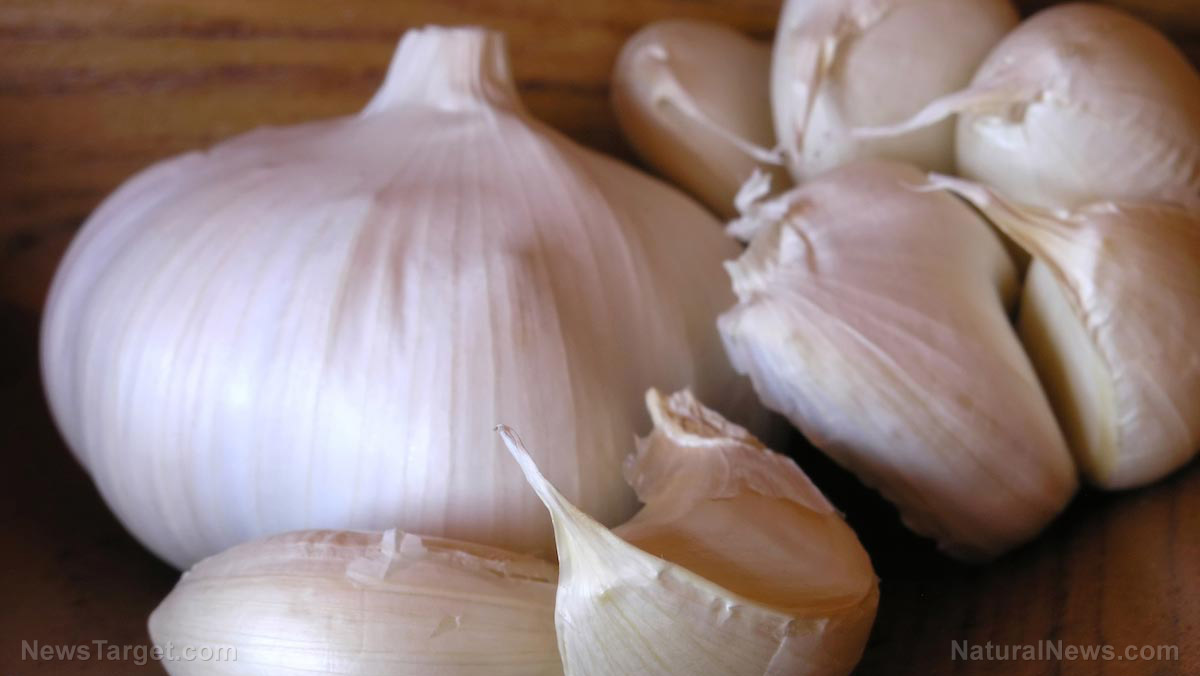
- The key compound, allicin, is released when garlic is crushed or chewed. It may lower blood pressure by relaxing blood vessels, reducing inflammation and promoting nitric oxide production.
- Meta-analyses of multiple trials show garlic can reduce blood pressure comparably to standard medications, with fewer side effects. Studies report a modest reduction of 2 to 7 percent after four weeks of treatment.
- People with uncontrolled hypertension appear to gain the most from garlic supplementation. It is also included in clinical protocols for managing hypertension and high triglycerides, and may aid in weight control.
- Effective dosages vary widely, with aged garlic extract (240 to 2,400 mg daily) showing the most consistent results. However, garlic can interact with blood thinners, blood pressure medications and other drugs; pregnant women and surgery patients should exercise caution.
- Garlic is not a substitute for prescribed medication. While it shows genuine promise as a natural aid, the evidence is not strong enough to recommend it as a standalone treatment, and patients should consult a doctor before use.
For centuries, garlic has been praised for its medicinal reputation, from ancient Egyptian healers to modern grandmothers offering it as a remedy for everything from infections to heart trouble. Today, researchers are asking a serious question: What actually happens to your blood pressure when you eat garlic or take garlic supplements? The answer is cautiously promising—but far from definitive.
The mechanism behind the claim
The active compound drawing the most scientific attention is allicin, a sulfur-containing molecule released when garlic cloves are chewed, chopped or crushed. Allicin is highly unstable and breaks down quickly, meaning how garlic is prepared matters for any potential health benefit. The antibacterial properties of allicin were first documented in 1944 in a paper published in the Journal of the American Chemical Society.
Research suggests allicin may help lower blood pressure through several pathways. It may interfere with enzymes that constrict blood vessels, promote more unrestricted blood flow, create antioxidative and anti-inflammatory effects that protect blood vessels, and support nitric oxide production to relax blood vessel walls.
What the studies actually show
A meta-analysis of 12 trials involving 553 adults with uncontrolled high blood pressure found that garlic effectively reduced blood pressure, with results comparable to standard blood pressure medications and fewer side effects. A separate meta-analysis of 20 trials involving 970 participants reported decreases in both systolic and diastolic blood pressure.
A 2013 study found significant reductions in both systolic and diastolic blood pressure among participants taking garlic tablets compared to placebo or the drug atenolol. Aged garlic extract has also proven effective in reducing blood pressure in people with uncontrolled hypertension. The garlic group in one study had only 24 colds compared to 65 for the placebo group, and the average duration of symptoms was less than half for those taking garlic.
Garlic also shows a modest effect on blood pressure reduction of 2 to 7 percent after four weeks of treatment. An article in the Journal of Clinical Hypertension in May 2004 called garlic "an agent with some evidence of benefit" in reducing hypertension.
Who stands to benefit
People with uncontrolled hypertension appear to gain the most from garlic supplementation. The protocols of the Hypertension Institute of Nashville at St. Thomas Hospital include a stable form of garlic called Allicidin as part of their dietary and supplement regimen for both hypertension and high triglycerides. Garlic may also hold promise in weight control, with research showing potential for countering weight gain in rats fed a high-fructose diet.
Research has used garlic powder at 188 milligrams to 2,400 milligrams daily, aged garlic extract from 240 to 2,400 milligrams daily, raw garlic at 400 milligrams daily, and garlic oil at 12.3 milligrams daily. Aged garlic extract appears to deliver the most consistent results, with higher doses in the 400 to 2,400 milligram range generally providing the best outcomes.
When consumers should exercise caution
For most healthy people, garlic supplements are considered safe when taken as directed. However, side effects can include abdominal pain, body or breath odor, burping, constipation, diarrhea, heartburn, nausea, upset stomach and vomiting.
People with garlic allergy or chronic gastrointestinal conditions like reflux or ulcers should avoid it. Pregnant or breastfeeding women should avoid supplements due to insufficient safety evidence. Those taking anticoagulants or blood thinners like warfarin or clopidogrel should exercise caution because garlic may increase bleeding risk. Individuals on blood pressure medication may find garlic amplifies drug effects, potentially dropping blood pressure too low.
Anyone preparing for surgery should inform their healthcare provider about garlic use. Garlic may also affect birth control pills, nonsteroidal anti-inflammatory drugs and blood sugar-lowering medications.
Where the science stands today
The evidence is not strong enough to recommend garlic as a standalone treatment. Studies vary widely in design, dosage, duration and participant characteristics, making universal conclusions difficult.
This is the critical warning: Garlic is no substitute for prescribed medication. Patients taking blood pressure drugs should not stop or alter treatment without consulting their healthcare provider. For those interested in adding garlic to their regimen, discuss it with a doctor first, as it may interact with existing medications or conditions.
"Garlic offers multiple benefits as a natural medicine, notably in helping alleviate certain symptoms," said BrightU.AI's Enoch. "Its key advantages include its ability to act as a natural antimicrobial and anti-inflammatory agent. Therefore, garlic can be a beneficial supplement for supporting overall health and targeting specific health issues."
Garlic offers genuine promise as a natural aid for blood pressure management, with measurable reductions in both systolic and diastolic readings. But it is best understood not as a cure but as a complementary tool—one with ancient roots and modern validation, but with real limitations that demand respect.
Watch and learn about garlic from the book "Garlic for Health" by Dr. Benjamin Lau.
This video is from the BrightLearn channel on Brighteon.com.
Sources include:









Please contact us for more information.


