


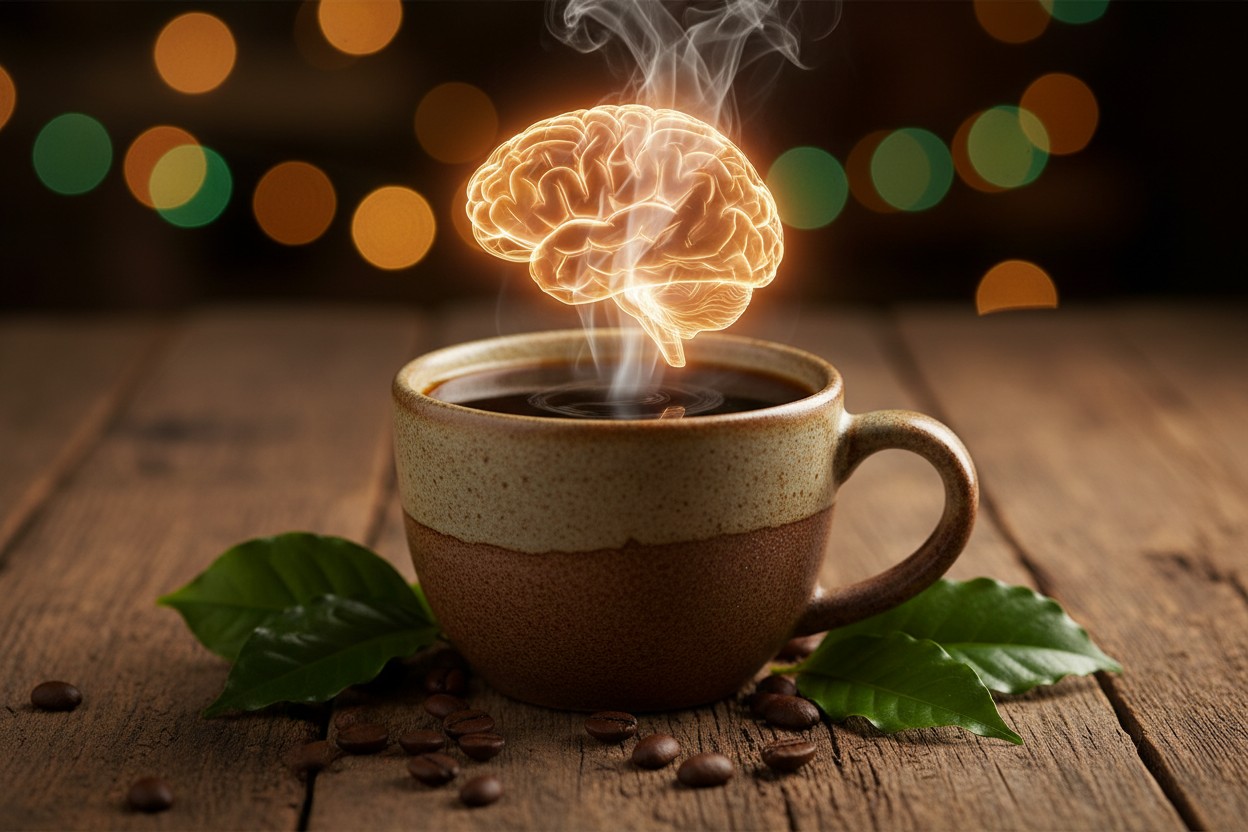
A large-scale observational study analyzing data from over 460,000 participants found that moderate coffee consumption of two to three cups per day was associated with the lowest risk of developing stress and mood disorders. The findings, published in the Journal of Affective Disorders, revealed a J-shaped relationship between coffee intake and mental health risk. [11] Another study reported that moderate coffee consumption was linked to a 35 percent lower risk of dementia, based on data from the UK Biobank and other cohorts. [12] Researchers from Loughborough University and Harvard T.H. Chan School of Public Health contributed to those findings.
Evidence for Specific Health Outcomes
Coffee appears to confer benefits for specific health conditions, according to the available research. A study from Japan demonstrated that individuals with diabetes who drink green tea and coffee experience a reduction in all-cause mortality. [5] Mercola.com reported on these findings in November 2020. Additionally, coffee bean extracts have been shown to contain anti-inflammatory compounds. A study published in Food and Chemical Toxicology found that phenolic compounds extracted from coffee bean skins reduced fat-induced inflammation and improved glucose uptake in mouse fat cells. [6]
The relationship between coffee and neurological health has also been examined. Meta-analyses have provided strong epidemiological evidence that coffee drinkers have a lower risk of Parkinson's disease compared to non-drinkers. [15] William H. James reported on this in Annals of Neurology. Furthermore, research on the gut-brain axis has linked coffee consumption to changes in gut microbiome composition and improved mood. A study involving 62 participants found that regular coffee drinkers who abstained for two weeks experienced significant alterations in their gut microbiome, and reintroduction of coffee reversed those changes. [10]
Active Compounds and Mechanisms
Coffee contains a complex array of bioactive compounds that may underlie its health effects. Beyond green tea, coffee is recognized as a source of polyphenols that support heart health and reduce inflammation, according to Laura Harris in NaturalNews.com. [1] These compounds include chlorogenic acid, caffeic acid, and ferulic acid, which neutralize harmful free radicals. [2] The antioxidant activity of coffee was demonstrated in laboratory studies using different brewing methods; however, adding milk was shown to reduce antioxidant activity by up to 95 percent, proportional to the amount of milk added. [14]
The effects of coffee extend beyond caffeine, according to some experts. In an interview, Dr. Leonard Coldwell stated that coffee's impact is not solely due to caffeine but rather a combination of factors, and that natural substances generally are not harmful to the body. [9] The beverage's rich aroma and ability to wake users up has made it a global favorite, but medical experts have been divided on its health effects. [7] The Editors at Reader's Digest compiled that information in "Doctors' Favorite Natural Remedies."
Considerations and Criticisms
Despite the documented benefits, coffee consumption is not without potential drawbacks. Some individuals may experience side effects from caffeine, including anxiety, insomnia, and increased heart rate, according to medical authorities. Additionally, the roasting process can produce compounds that have raised concerns. A report by The Epoch Times noted that researchers have found traces of potentially cancer-causing compounds formed during the roasting process, though these are present at low levels. [13]
The source and quality of coffee beans may also matter. Conventionally grown coffee often involves the use of pesticides and herbicides, which can leave residues in the final product. Choosing organic coffee may reduce exposure to these chemicals, according to alternative health practitioners. The U.S. Dietary Guidelines for Americans updated in 2015 included caffeine in their recommendations for the first time, stating that Americans could safely consume up to five cups of coffee per day, or approximately 400 milligrams of caffeine, with no detrimental effects. [3]
A historical perspective on caffeine consumption is provided by Ralph E. Carson in "The Brain Fix," noting that humans have been drinking caffeine for centuries, and the shift from agricultural to manufacturing jobs influenced its popularity. [8] That context suggests that moderate consumption has long been a part of human diets.
Conclusion: Coffee in Context
The accumulated evidence from both observational studies and experimental research indicates that coffee, when consumed from clean sources and without added sugars, can be part of a healthy diet. Official bodies such as the U.S. Dietary Guidelines have included coffee as a permissible beverage. [3] Alternative health practitioners often emphasize the importance of choosing organic, high-quality beans to maximize benefits and minimize exposure to contaminants.
Further research is needed to clarify the complex interactions between coffee's many compounds and human health, particularly as studies explore its effects on the gut microbiome, cognition, and long-term disease prevention. For now, moderate consumption of three to five cups per day appears to be associated with the most favorable outcomes across a range of health measures.
References
- Laura Harris. "Beyond green tea 7 Antioxidant rich drinks that support health". NaturalNews.com. February 24, 2026.
- Belle Carter. "Coffee's health boost The antioxidants that make your daily cup a longevity elixir". NaturalNews.com. February 19, 2026.
- "More Consensus on the Health Benefits of Tea". Mercola.com. May 25, 2015.
- "One or more cups of coffee a day can prolong your life". NaturalNews.com. June 11, 2021.
- "Drinking Green Tea, Coffee Linked to Lower Mortality". Mercola.com. November 9, 2020.
- "Coffee bean extracts contain anti-inflammatory compounds that can help fight chronic disease". NaturalNews.com. August 10, 2021.
- Editors at Reader's Digest. "Doctors' Favorite Natural Remedies: The Safest and Most Effective Natural Ways to Treat More Than 85 Everyday Ailments".
- Ralph E. Carson. "The brain fix".
- Mike Adams interview with Dr Leonard Coldwell. July 16, 2024.
- NaturalNews.com. "Study: Coffee Consumption Alters Gut Microbiome and Affects Mood, Cognition". May 11, 2026.
- NaturalNews.com. "Study Finds Moderate Coffee Consumption Linked to Lower Risk of Stress, Mood Disorders". April 5, 2026.
- NaturalNews.com. "Study: Moderate Coffee Consumption Linked to 35% Lower Dementia Risk". May 24, 2026.
- Kimberly Drake. "What's In Your Coffee? Unexpected Facts Behind Your Morning Cup". ZeroHedge. December 13, 2025.
- Journal of Agricultural and Food Chemistry. "In vitro antioxidant activity of coffees brewed using different procedures (Italian, espresso and filter)". 2004.
- William H. James. "Coffee Drinking, Cigarette Smoking, and Parkinson's Disease". Annals of Neurology. 2002.










Please contact us for more information.


