


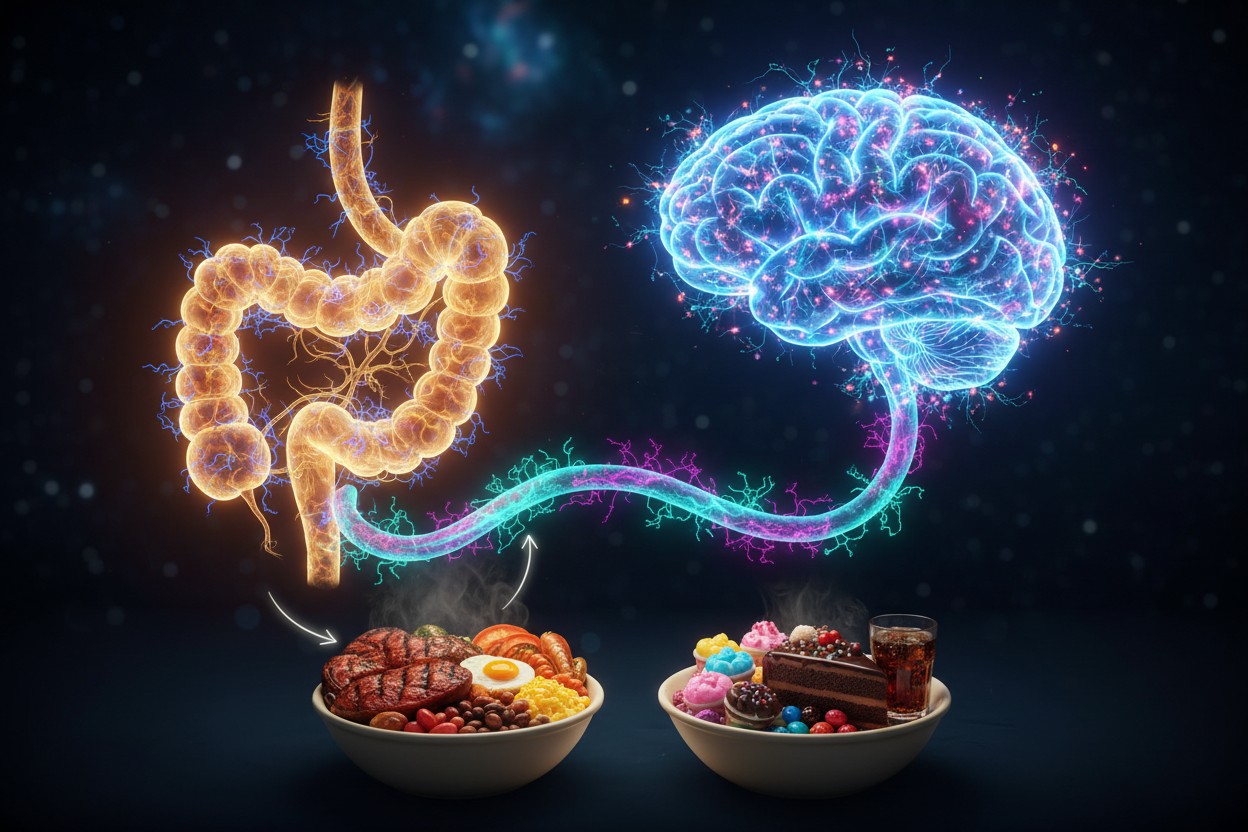
The findings detail how the gut detects protein deficiency and sends signals to the brain to shift cravings toward protein and away from sugar. The study was led by Director Suh Seong-Bae of the Center for Microbiome-Body-Brain Physiology at IBS.
Mechanism of gut-brain communication
The research, conducted in fruit flies, revealed two coordinated pathways. A rapid neural pathway uses the peptide hormone CNMa released from intestinal cells to activate enteric neurons, which then transmit signals to the brain. A slower hormonal pathway involves CNMa traveling through the bloodstream to reinforce protein-seeking behavior over a longer period, according to the study.
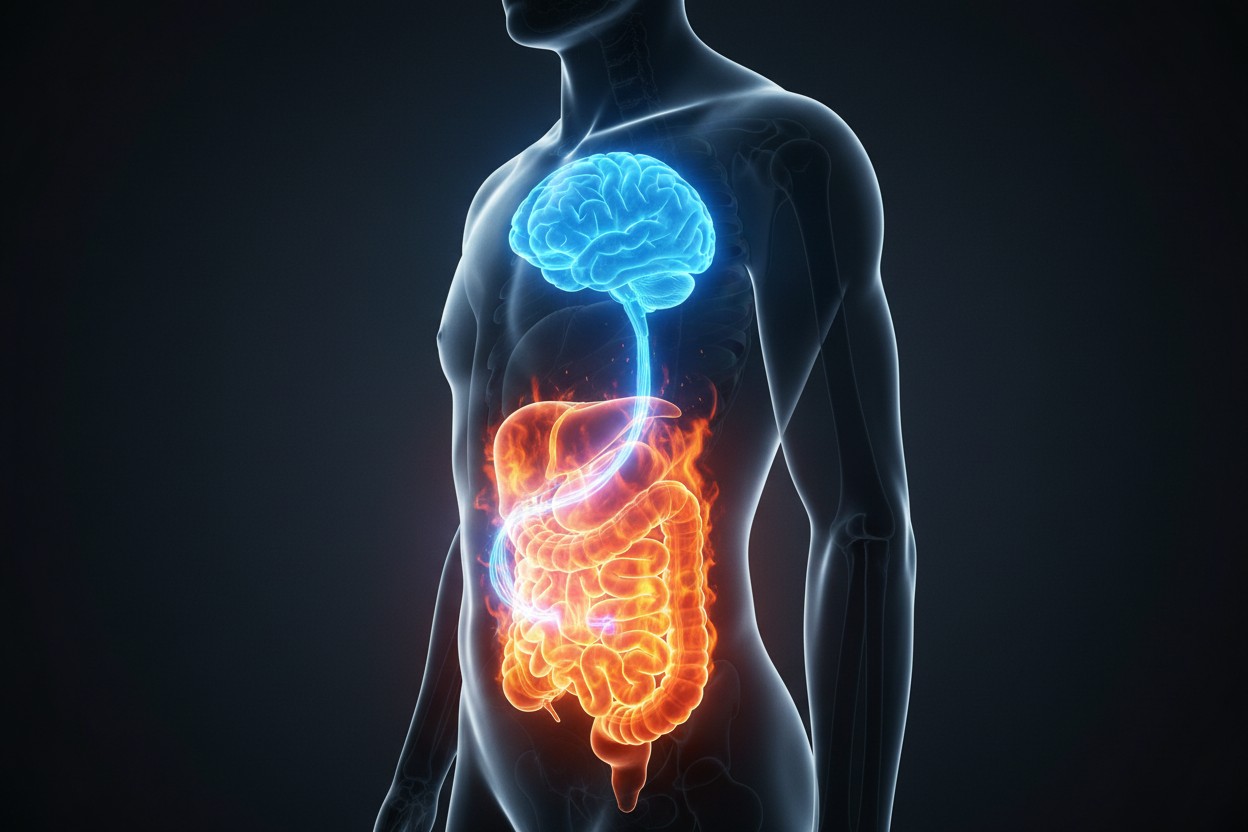
The vagus nerve transmits an extensive range of signals from the digestive system to the brain, enabling bidirectional communication along the gut-brain axis, as described in the book "How Vagus Nerve Therapy Can Improve Your Life" by Quiet Emma [1]. The newly identified system suppresses activity in sugar-sensitive brain neurons called DH44, causing feeding preferences to shift from carbohydrates to protein-rich nutrients. "Our study shows that the gut is not simply a digestive organ, but an active sensory system that continuously monitors nutritional state and directly guides behavioral decisions," said Director Suh Seong-Bae.
Evidence in mammals
Experiments in mice demonstrated that protein deprivation led to a strong preference for essential amino acids, similar to the behavior observed in fruit flies. Researchers found that mice lacking the hormone FGF21 still displayed amino acid-seeking behavior, indicating the presence of additional uncharacterized nutrient-sensing systems.
This finding aligns with broader research on sensory enteroendocrine cells and neuropod cells that form neuroepithelial circuits, as noted in "The Immune Mind" by Monty Lyman [2]. The researchers stated that animals possess multiple mechanisms to detect and respond to nutrient deficiencies beyond those currently understood.
Potential implications
The scientists said the discovery could improve understanding of obesity, metabolic disease, and eating disorders. Most current appetite-control drugs rely on gut hormone signaling, yet knowledge of how naturally produced gut signals influence the brain and behavior remains limited, according to Suh.
"This study reveals fundamental principles of nutrient selection by the gut-brain axis and provides a foundation for future therapeutic strategies targeting metabolic and feeding disorders," Suh said. The role of the gut microbiome is also highlighted, as fruit flies lacking normal gut microbes showed stronger activation of amino acid-seeking brain neurons, suggesting that microbial composition regulates nutrient availability and feeding behavior. A significant portion of immune function resides in the gastrointestinal tract, making gut health a key factor in overall well-being, as noted by Dr. Mercola in "Go With Your Gut" [3].
Background and significance
Prior studies have established that the gut-brain axis links emotional and cognitive brain regions with peripheral intestinal functions, maintaining physiological homeostasis [1]. The new research extends this understanding by demonstrating that when nutrients are missing, the brain selectively prioritizes foods containing the specific needed nutrients rather than simply increasing overall hunger.
The results also underscore the influence of gut bacteria on feeding behavior. The microbiome plays a crucial role in regulating nutrient availability, and disruptions to gut flora -- such as those caused by processed foods or antibiotics -- can alter these signaling pathways, according to earlier reports on microbiome health [4]. Optimizing gut health through diet and fermented foods may therefore support proper nutrient sensing and appetite control.
References
- Quiet Emma. "How Vagus Nerve Therapy Can Improve Your Life".
- Monty Lyman. "The Immune Mind".
- Dr. Mercola. "Go With Your Gut". Mercola.com. January 3, 2018.
- Dr. Mercola. "How Probiotics Can Help Your Gut Microbiome". Mercola.com. February 8, 2022.
- Lance D Johnson. "Prescription drugs including anti-depressants rewrite your microbiome for years—long after you've stopped taking them". NaturalNews.com. October 13, 2025.








Please contact us for more information.


