


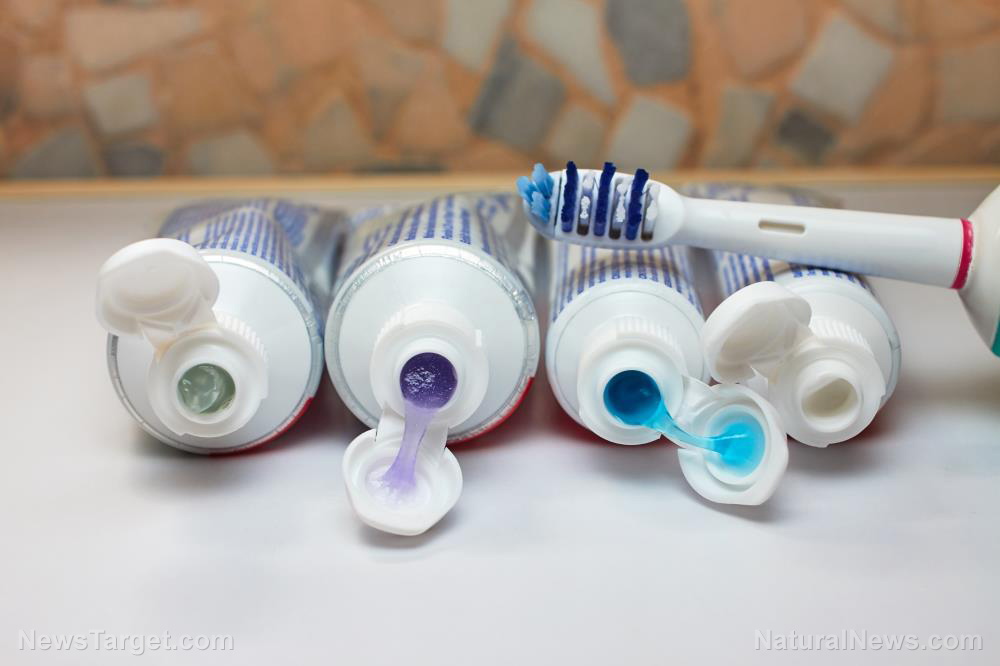
- Independent testing of 51 toothpaste brands found 90% contained lead, 65% arsenic, 47% mercury and 35% cadmium.
- Heavy metals enter toothpaste through contaminated raw ingredients like hydroxyapatite, calcium carbonate and bentonite clay.
- Lead and cadmium disrupt cellular functions, causing kidney damage, osteoporosis, anemia and other health complications.
- Toothpaste manufacturers have refused to remove heavy metals and some have used legal threats against whistleblowers.
- Homemade toothpaste using coconut oil, baking soda and essential oils offers a safer alternative.
The investigation: What was found and why it matters
In May 2026, Lead Safe Mama, an advocacy organization focused on consumer safety, updated their report about testing results that sent shockwaves through the oral care industry last year. The analysis of 51 popular toothpaste brands revealed a troubling pattern: 90% contained lead, 65% contained arsenic, 47% contained mercury and 35% contained cadmium. Only six products tested clean across all four heavy metals.
The investigation, led by environmental activist Tamara Rubin, began 12 years ago when she noticed a common toothpaste brand among families whose children had been exposed to heavy metals. Her work has already prompted six product recalls.
How heavy metals enter toothpaste
The contamination originates in raw materials used during manufacturing. Rubin’s research identified three primary culprits:
- Hydroxyapatite – extracted from cow bone and added to help teeth absorb calcium
- Calcium carbonate – added to remove stains from teeth
- Bentonite clay – used as a cleaning agent
Products containing bentonite clay showed the highest heavy metal levels. When tested individually, hydroxyapatite and calcium carbonate also showed concerning lead concentrations. The systematic review published in Frontiers in Dental Medicine analyzed 11 studies from Asia, Europe and Africa, confirming this pattern is global. In some cases, lead levels reached 6,313 parts per billion—far exceeding the U.S. Food and Drug Administration’s limit of 20 parts per million.
Health risks: Cellular damage and chronic disease
Heavy metals disrupt bodily functions at the cellular level. Cadmium interferes with kidney filtration systems and has been linked to lung and pancreatic damage. Even low-level exposure increases osteoporosis risk and causes mitochondrial dysfunction.
Lead targets multiple vital functions. Symptoms of exposure include appetite loss, weight loss, vomiting, constipation, anemia, kidney failure and irritability. The federal government acknowledges that no level of lead exposure is safe, yet current regulations allow concentrations that violate Washington state’s stricter limits.
Industry resistance and consumer options
Despite the evidence, toothpaste manufacturers have not committed to removing heavy metals. Some companies have argued that lead occurs naturally in the environment and is impossible to avoid. Others sent Rubin cease-and-desist letters, which she published on her blog.
The researchers who conducted the systematic review called for “specific guidelines on the limits for heavy metals in toothpastes, with a clear distinction between essential and nonessential metals.” They emphasized the need for stringent quality assurance processes.
For consumers seeking alternatives, the options include choosing brands that undergo third-party heavy metal testing, using oil pulling with organic coconut oil as a supplement to brushing, or making toothpaste at home. A DIY recipe uses sterilized eggshell powder, baking soda, xylitol and coconut oil.
The historical context: Why this news matters today
The discovery of heavy metals in toothpaste represents the latest chapter in a decades-long pattern of chemical contamination in everyday products. The same industrial systems that introduced formaldehyde into hospital curtains, phenol into tin can linings and chlorine into tap water have now been shown to taint oral care products.
This issue connects to broader environmental health concerns that have emerged since the 1940s, when synthetic chemicals began saturating consumer goods. As researchers noted in the systematic review, heavy metals in toothpaste contribute “to the already high level of heavy metal pollution in the environment from industrial and agricultural processes.”
The challenge mirrors what chemically sensitive individuals have faced for years: contaminants accumulate in the body over time, and no regulatory agency has established comprehensive safety limits for nonessential metals in toothpaste. The gap between what science reveals and what policy addresses continues to widen.
A call for transparency and action
The evidence is clear: Most commercial toothpastes contain heavy metals with well-documented health risks. While industry pushes back against accountability, consumers must take matters into their own hands. Choosing verified clean products, adopting traditional oral hygiene practices like oil pulling and making homemade toothpaste offer practical steps forward. The broader question remains: how many more common products must be tested before regulators establish meaningful safety standards? Until that day comes, individual vigilance remains the most reliable defense against chemical exposure.
Sources for this article include:










Please contact us for more information.


