



New findings from the University of Ottawa suggest that the real long-term damage may be happening somewhere doctors rarely look during recovery, inside the brain itself, where a toxic metabolic compound triggers inflammation in regions controlling mood, memory, and cognition, potentially setting the stage for depression, cognitive decline, and even dementia. The medical establishment's failure to address the neurological fallout of heart attacks isn't just an oversight, it may be leaving millions of survivors vulnerable to a second wave of damage that nobody warned them about.
Key points:
- A University of Ottawa study found that a reactive compound called methylglyoxal (MG) accumulates in multiple brain regions within hours of a heart attack and remains elevated for days.
- The highest concentrations appeared in the brainstem and cortex, areas governing autonomic regulation, mood, cognition, and heart-brain communication.
- MG accumulation was strongly linked to neuroinflammation, including activation of immune cells called microglia and macrophages, and elevated inflammatory markers TNF-? and NF-?B.
- The blood-brain barrier, which protects the brain from circulating toxins, showed signs of breakdown after a heart attack, allowing MG compounds to infiltrate the brain from the bloodstream.
- Male mice exhibited significantly higher MG accumulation and neuroinflammation than females, suggesting sex-based differences in brain vulnerability after cardiac events.
- Prior research has already linked MG accumulation to Alzheimer's disease and dementia, giving these findings serious long-term implications.
- Depression and anxiety after heart attacks are common, often dismissed as emotional reactions, but may have direct biological roots in this inflammatory cascade.
The toxic compound the cardiologist never mentions
Methylglyoxal is a byproduct of normal glucose metabolism, typically neutralized by the body's own detoxification enzyme, glyoxalase-1. Under healthy conditions, this system keeps MG in check. But a heart attack creates a perfect storm, triggering ischemia, oxidative stress, and a massive inflammatory response that simultaneously ramps up MG production while crippling the body's ability to break it down.
The result is an overflow of MG and its downstream compounds, collectively known as advanced glycation end-products, into the bloodstream and eventually the brain. Researchers at the University of Ottawa tracked these compounds in mouse brains following induced heart attacks, finding significant MG accumulation as early as six hours post-event in the hippocampus, brainstem, and cortex, regions that govern memory formation, emotional regulation, and conscious thought. By the seven-day mark, levels in the brainstem had climbed nearly sixfold in male mice compared to healthy controls.
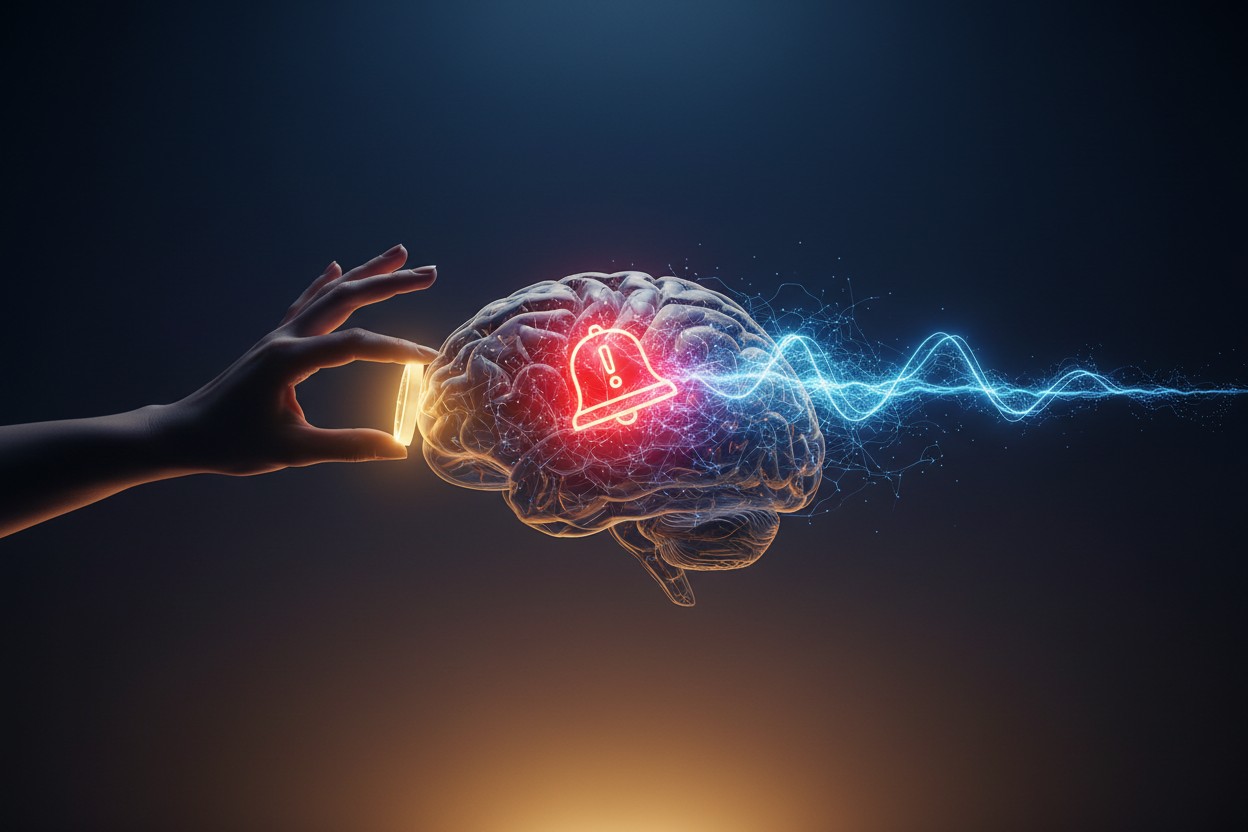
That alone would be concerning. But the study also found that MG accumulation correlated strongly with widespread neuroinflammation, involving activated microglia, elevated macrophage counts, and surging levels of inflammatory signaling proteins. The blood-brain barrier, a structure designed to shield delicate neural tissue from harmful circulating substances, showed measurable weakening, with reductions in critical structural proteins that maintain its integrity. That breakdown creates an open pathway for MG and inflammatory cytokines from the damaged heart to enter and disrupt brain tissue.
Why depression and dementia after heart attacks may not be coincidental
For years, clinicians have noted elevated rates of depression, anxiety, cognitive decline, and dementia among heart attack survivors, and the explanation has often been psychological, a trauma response, an adjustment disorder, the natural stress of facing mortality. That framing, while not entirely wrong, may be dangerously incomplete.
The University of Ottawa findings add biological weight to what some researchers have long suspected, that cardiovascular events don't simply stay cardiovascular. They initiate a systemic inflammatory cascade that reaches the brain through the bloodstream, reshaping neural immune activity in ways that may persist long after the heart has stabilized. The phenomenon has a name in the research community, the heart-brain axis, and it describes the bidirectional relationship between cardiac and neurological health, where damage in one system propagates through the other.
MG compounds have already been identified in prior research as contributors to Alzheimer's disease and dementia pathology. The Ottawa study does not prove that heart attacks cause dementia directly, but it does demonstrate that the same toxic compound implicated in neurodegeneration accumulates rapidly in the brain following a cardiac event, and that the inflammatory response it triggers shares features with what researchers observe in neurodegenerative disease states.
Whole-body recovery demands the whole picture. Cardiac rehab programs, anti-inflammatory nutrition patterns rich in omega-3 fats and fiber, blood sugar regulation, consistent sleep, and stress management all support the conditions under which the brain can recover alongside the heart. But those conversations rarely happen in cardiology offices. Mental health screening after heart attacks remains inconsistent, and the neurological dimension of cardiac recovery is still treated as secondary, if it is treated at all. That gap deserves to close, as there exists a biological rationale for understanding the heart-brain axis and the interconnection between the two.
Sources include:









Please contact us for more information.


