


In turn, these polyphenols and their byproducts inhibit the growth of most bacteria in the phyla Actinobacteria, Bacteroides, and Firmicutes, while sparing Lactobacillus species. This bio-transformation process likely influences the bioavailability and therapeutic effects of green tea compounds in the human body. The findings shed light on how gut microbiota metabolize dietary polyphenols, potentially impacting health benefits ranging from cancer prevention to metabolic regulation. And green tea isn't the only tea directly influencing your microbiome and improving your metabolism and organ function.
Key points:
- Tea polyphenols selectively increase beneficial gut bacteria while suppressing harmful strains.
- Green tea's EGCG compound and L-theanine work together to alter brain chemistry and mood.
- Black tea theaflavins may outperform green tea for visceral fat reduction.
- Oolong tea increases fat oxidation within two weeks of regular consumption.
- Herbal teas like peppermint and hibiscus offer distinct immune system and respiratory benefits.
How tea compounds talk directly to your nervous system
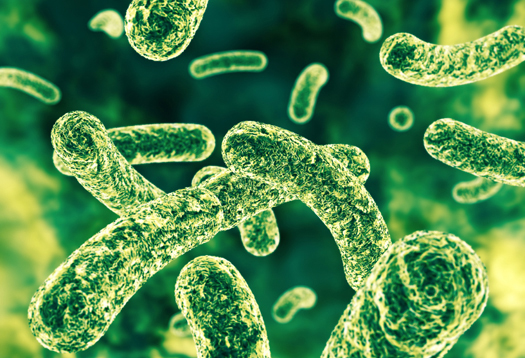
The human gut hosts trillions of bacterial cells that collectively weigh approximately two to three pounds, and this microbial community communicates directly with the brain through what researchers call the gut-brain axis. Tea polyphenols act as prebiotics, meaning they feed specific beneficial bacterial species rather than killing microorganisms indiscriminately. Studies demonstrate that compounds in tea increase populations of Bifidobacterium and Lactobacillus, two bacterial genera associated with reduced inflammation, improved immune function, and better mood regulation. These bacteria produce short-chain fatty acids that fuel the cells lining the intestinal wall, strengthen the gut barrier against pathogens, and send signals to the brain via the vagus nerve.
Green tea contains particularly high concentrations of catechins, especially epigallocatechin gallate or EGCG, which accounts for roughly 30 to 40 percent of the dry weight of green tea leaves. This compound does not merely act as an antioxidant in the bloodstream. It survives digestion and reaches the colon where gut bacteria metabolize it into smaller active molecules that exert local anti-inflammatory effects.
Black tea undergoes full oxidation, transforming its catechins into theaflavins and thearubigins, larger molecular structures that behave differently in the gut. Research indicates these oxidized compounds may be more effective than green tea polyphenols for certain metabolic outcomes, particularly reducing visceral fat stored around internal organs.
Oolong tea occupies a middle ground between green and black tea, undergoing partial oxidation that preserves some catechin content while generating unique polyphenol profiles. A 2020 study found that daily consumption of oolong tea for just two weeks increased the body's ability to break down fat for energy, a process called fat oxidation. This effect appears independent of caffeine content, suggesting the polyphenols themselves directly influence metabolic enzymes in the liver and adipose tissue.
Beyond the gut, tea contains L-theanine, an amino acid found almost exclusively in tea plants. This compound crosses the blood-brain barrier and increases alpha brain wave activity, which is associated with a relaxed but alert mental state. When combined with caffeine, which tea also contains naturally, L-theanine modulates the stimulant effects to produce a calmer focus rather than the jittery energy typical of coffee consumption. Research from 2025 shows that green tea compounds, including both L-theanine and EGCG, may improve symptoms of depression, anxiety, and sleep quality, though individual responses vary based on caffeine sensitivity and genetic factors.
The metabolic manipulation: Which teas burn fat and which ones heal
Not all teas affect metabolism equally, and understanding the differences requires looking at the specific chemical constituents of each variety. Green tea's EGCG inhibits an enzyme that breaks down norepinephrine, allowing this neurotransmitter to remain active longer and signal fat cells to release stored fat into the bloodstream. Black tea theaflavins work through different pathways, potentially modulating the gut microbiome in ways that favor lean body composition. Oolong tea's partially oxidized polyphenols appear to increase energy expenditure through mechanisms distinct from both green and black tea.
Hibiscus tea, made from the dried calyces of the Hibiscus sabdariffa flower, contains anthocyanins and organic acids that support cardiovascular health rather than metabolic rate. Research indicates hibiscus compounds may lower blood pressure through inhibition of angiotensin-converting enzyme, similar to certain prescription medications. This tea offers no caffeine, making it suitable for evening consumption, but its effects on gut bacteria remain less studied than green or black tea.
Peppermint tea provides menthol and other volatile oils that relax the smooth muscle of the digestive tract, reducing bloating and cramping. The phenolic compounds in peppermint, including rosmarinic acid and flavonoids, exert antimicrobial effects that may help re-balance gut bacteria after antibiotic use or dietary indiscretions. Unlike caffeinated teas, peppermint does not interfere with iron absorption and can be consumed with meals without concern.
Mullein tea, derived from the leaves and flowers of Verbascum thapsus, has traditionally been used for respiratory conditions rather than metabolic health. Its saponins and mucilage compounds soothe irritated mucous membranes in the lungs and throat. Current research does not support mullein for gut health or weight management, though its anti-inflammatory properties may indirectly support overall wellness through reduced systemic inflammation.
For those seeking microbiome benefits specifically, unsweetened green tea consumed three times daily provides adequate polyphenol intake to increase beneficial bacterial populations. The standard brewing recommendation involves steeping one teaspoon of loose leaves in boiling water for three minutes, though longer steeping times extract more compounds along with more caffeine. Bottled and sweetened tea products often contain added sugars that feed harmful bacterial species, potentially negating the prebiotic benefits of the polyphenols themselves. Green tea and similar herbal tea blends represent one of the most accessible, affordable, and scientifically-validated interventions for gut health, metabolism, and mood available to the general public.
Sources include:











Please contact us for more information.


