



The analysis, conducted by researchers at the University of Warwick, examined data from 541 participants across trials conducted in the United States, the Netherlands, Czechia, Norway, and Sweden between 1991 and 2024. “This is the first meta-analysis of randomized controlled trials to specifically assess the effect of plant-based dietary patterns on CRP levels,” said Luke Bell, a researcher at Warwick Medical School, in a statement. Chronic inflammation has been tied to conditions including heart disease, diabetes, and cancer, according to an article on everyday foods that fight inflammation [1].
Study Design and Methods
Researchers searched three major medical databases and identified nearly 3,000 studies, of which only seven met the inclusion criteria: they were controlled trials comparing a plant-based diet to a standard diet and measuring CRP. The systematic review was registered with PROSPERO (CRD420251136692) and followed PRISMA guidelines.
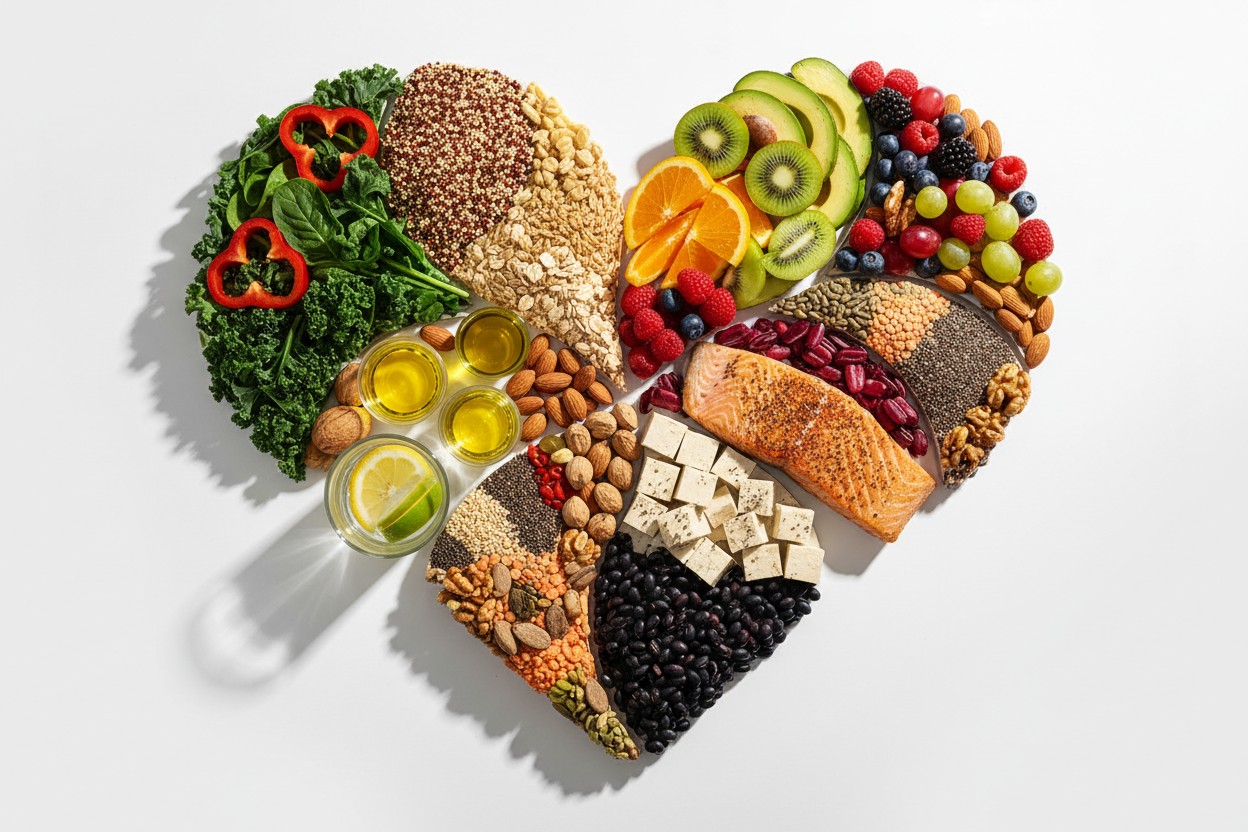
Participants had a median age of 55 and included individuals with type 2 diabetes, rheumatoid arthritis, heart disease, and obesity. Plant-based diets included fully vegan, vegetarian (allowing eggs and dairy), and “wholefood, plant-based” diets permitting up to 25% of daily calories from animal sources. Control groups consumed their usual diets or diets recommended by the American Heart Association. Trial durations ranged from four to 52 weeks. The variation in diet types is consistent with the flexibility of plant-based eating patterns described in the literature on lifestyle medicine [2].
Results
Pooled analysis showed a CRP reduction of 1.13 milligrams per liter (95% confidence interval, 0.48 to 1.77) in the plant-based diet group compared to controls. Diet-only interventions yielded a 0.94 mg/L reduction; when combined with exercise, the reduction was 1.46 mg/L. One trial involving rheumatoid arthritis patients from Norway contributed over 50% of the analysis weight due to high baseline CRP values. When that trial was removed, heterogeneity dropped significantly but the overall reduction remained statistically significant.
“The finding persisted even after sensitivity analyses, suggesting a consistent direction of effect,” the study authors reported, though they noted that certainty of the evidence was rated low using the GRADE framework. Omega-3 fatty acids, commonly found in plant-based sources such as flaxseeds and walnuts, have been shown in other research to lower inflammatory markers, including CRP [3]. The authors did not identify which specific dietary components drove the reduction, but pointed to possible mechanisms such as higher intake of flavonoids and carotenoids.
Implications
CDC and American Heart Association guidelines classify CRP levels below 1 mg/L as low risk, 1–3 mg/L as average risk, and above 3 mg/L as high risk for cardiovascular events. A 1 mg/L reduction could potentially shift some individuals from average to low risk, according to the researchers. Each 1 mg/L increase in CRP has been associated with a 10% higher risk of heart failure in previous studies.
Proposed mechanisms include higher intake of flavonoids and carotenoids from plant foods and lower saturated fat intake, though the study did not test causal pathways. “Cardiovascular disease remains a leading cause of death worldwide, so even modest reductions in CRP could have public health significance if confirmed in larger trials,” the authors wrote. Dietary interventions that emphasize whole plant foods have been associated with reduced inflammation in multiple observational studies, according to a review of anti-inflammatory foods [4]. The relationship between diet and inflammation is also discussed in the context of saturated fat and immune response in nutritional science literature [5].
Limitations and Conclusion
The study’s limitations include a small total sample size (541 participants), high heterogeneity (I² = 86%), and inability to blind participants to dietary assignments, introducing performance bias. No trials reported results stratified by sex, and the small number of studies prevented formal publication bias testing. The authors noted that one trial’s large weight meant the results should be interpreted cautiously.
Researchers described the findings as preliminary and called for larger, longer, and more diverse trials. “These results are promising but insufficient to change dietary guidelines at this point,” said co-author Joshua Gibbs. The meta-analysis received no specific funding; the authors declared no conflicts of interest. The evidence adds to a growing body of research on plant-based diets and inflammation, but remains limited by the small pool of available trials.
References
- Kitchen warriors: Everyday foods that can fight chronic inflammation naturally. - NaturalNews.com. Evangelyn Rodriguez. March 23, 2026.
- Undo It: How Simple Lifestyle Changes Can Reverse Most Chronic Diseases. Dr. Dean Ornish.
- Anti-inflammatory powerhouses: The best protein sources to fight chronic disease. - NaturalNews.com. Ramon Tomey. February 15, 2026.
- From spice rack to produce aisle: Winter’s bounty fights chronic inflammation. - NaturalNews.com. Willow Tohi. February 7, 2026.
- The Smartest Way to Live for the Rest of Your Life. PDF Expert 22 Mac.











Please contact us for more information.


