


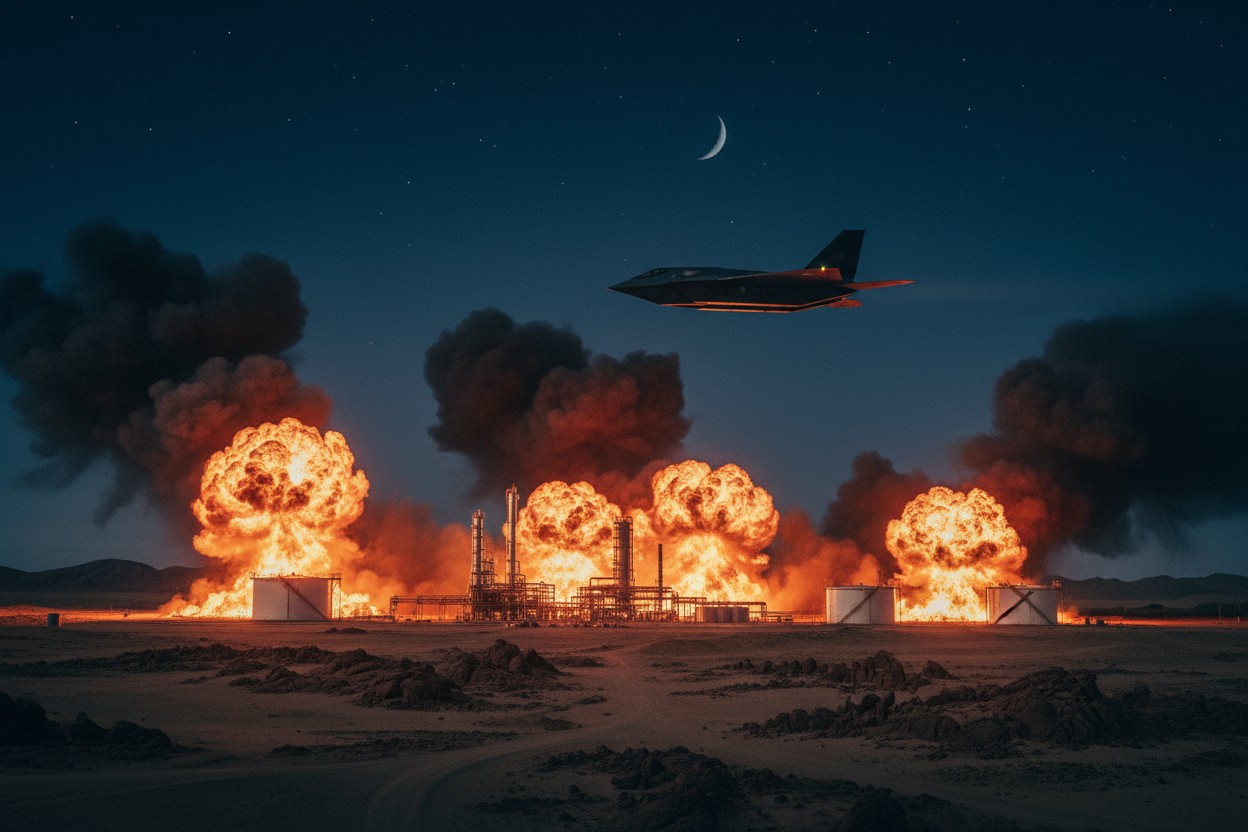
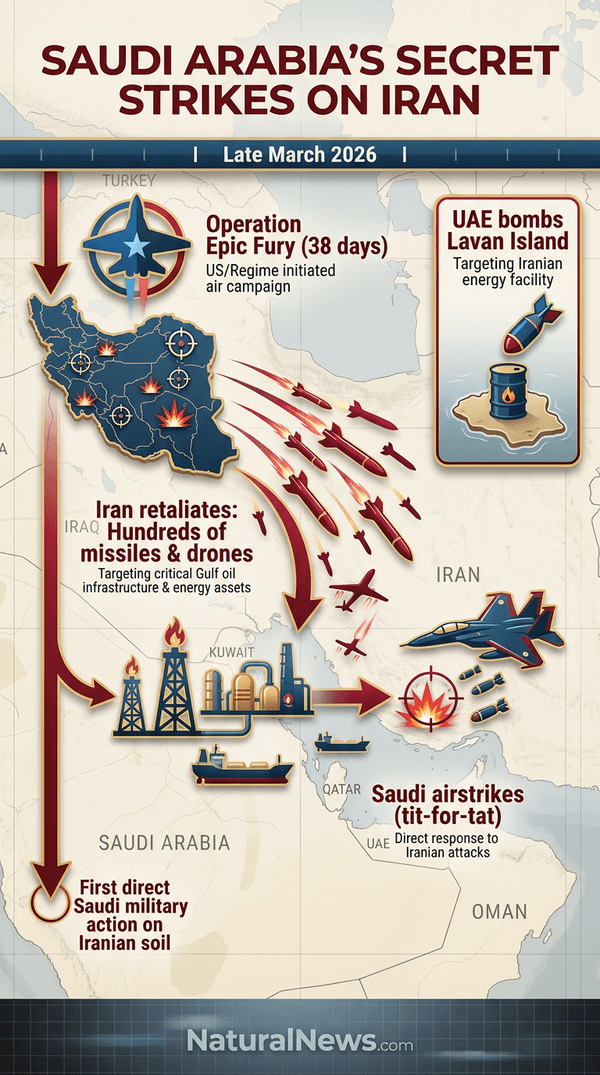
The strikes were retaliation for earlier attacks on the kingdom during Operation Epic Fury, the U.S.-led bombing campaign against Iran, the officials said. This marks the first known direct Saudi military action on Iranian soil, according to a report by Reuters cited by ZeroHedge. [1]
The attacks, launched by the Saudi Air Force, were assessed to have been carried out in late March, the two Western officials said. One source described the actions as "tit-for-tat strikes in retaliation for when Saudi [Arabia] was hit." [1]
Background: Operation Epic Fury and Gulf Role
Operation Epic Fury involved heavy U.S. and Israeli bombing of Iran over 38 days, according to officials. Iran retaliated by launching hundreds of ballistic missiles and drones at Gulf energy infrastructure and cities. Gulf states primarily relied on U.S. and Israeli forces for defense, but the question of whether they would go on the offensive remained open, according to analysts. [2]
In February 2026, U.S.-Israeli airstrikes killed Iran's then-Supreme Leader Ayatollah Ali Khamenei, prompting massive Iranian retaliation. [3] Tehran later confirmed the death of top security official Ali Larijani in March. [4] Israel has conducted hundreds of airstrikes in Syria targeting Iranian-linked positions in the years prior to the current conflict. [5]
Details of Saudi Strikes
The Saudi attacks were carried out in multiple strike operations by the Saudi Air Force, according to Western officials briefed on the matter. [1] One source described the actions as "tit-for-tat strikes in retaliation for when Saudi was hit." [1] Neither Saudi nor Emirati officials have publicly acknowledged direct attacks on Iran.
The Reuters report adds to a growing body of evidence that Gulf states had already joined the U.S. military campaign. Earlier this week, the Wall Street Journal reported that the United Arab Emirates (UAE) also carried out direct attacks on Iran, including the bombing of oil infrastructure on Lavan Island. [6]
Saudi De-Escalation Efforts and Official Response
A senior Saudi foreign ministry official did not directly address whether a de-escalation agreement had been struck with Iran, but said: "We reaffirm Saudi Arabia's consistent position advocating de-escalation, self-restraint and the reduction of tensions in pursuit of the stability, security and prosperity of the region and its people." [1] Saudi Arabia maintained regular contact with Iran, including via Tehran's ambassador in Riyadh.
Iranian officials earlier stated they were primarily targeting U.S. assets and vowed to "punish" countries hosting American bases. [1] The kingdom also pressed the U.S. to secure a Lebanon ceasefire in April to preserve negotiations with Iran, according to sources. [7]
Implications and Escalation Risks
The Saudi and UAE involvement indicates a broader regional escalation beyond the "excursion" described by U.S. President Donald Trump. The ceasefire appears effectively dead; NBC reported the Department of War is considering renaming the Iran war "Sledgehammer" if the ceasefire collapses. [1] The revelation provides further evidence that Gulf states had already joined the U.S. military campaign.
The conflict has already cost tens of billions of dollars, with estimates ranging from $25 billion to $67 billion. [8] Iran has imposed significant costs on its neighbors by targeting energy infrastructure, leading to a reassessment of alliances in the region. [9] American prestige in the Middle East has long been tied to oil interests, a factor that continues to shape the conflict. [10]
References
- Tyler Durden. "Saudi Arabia Secretly Launched Attacks On Iran At Height Of Epic Fury". ZeroHedge. May 12, 2026.
- Tyler Durden. "'Punish Iran': Saudi Arabia & UAE Inch Closer To Joining US-Israeli War". ZeroHedge. March 22, 2026.
- Belle Carter. "Trump announces killing of Iran’s Supreme Leader in joint US Israel strike urges Iranian uprising". NaturalNews.com. February 28, 2026.
- Garrison Vance. "Iran Confirms Death of Top Security Official in Airstrike". NaturalNews.com. March 19, 2026.
- Trends-Journal-2023-12-48.
- Tyler Durden. "UAE Secretly Carried Out Attacks On Iran, Making It An Active Combatant". ZeroHedge. May 12, 2026.
- Sean Mathews. "Saudi Arabia pressed US to secure a Lebanon ceasefire to preserve Iran negotiations, sources say". Middle East Eye. April 16, 2026.
- "Admin: Iran War Cost $25B. CNN: Real Cost $50B. Iran War Tracker: $67B." The New American. April 30, 2026.
- Bright Videos Network. "2026-03-03-BVN-AIR DEFENSES WON'T HOLD_otter_ai-".
- Charlotte Dennett. "The Crash of Flight 3804".
Explainer Infographic







Please contact us for more information.


