


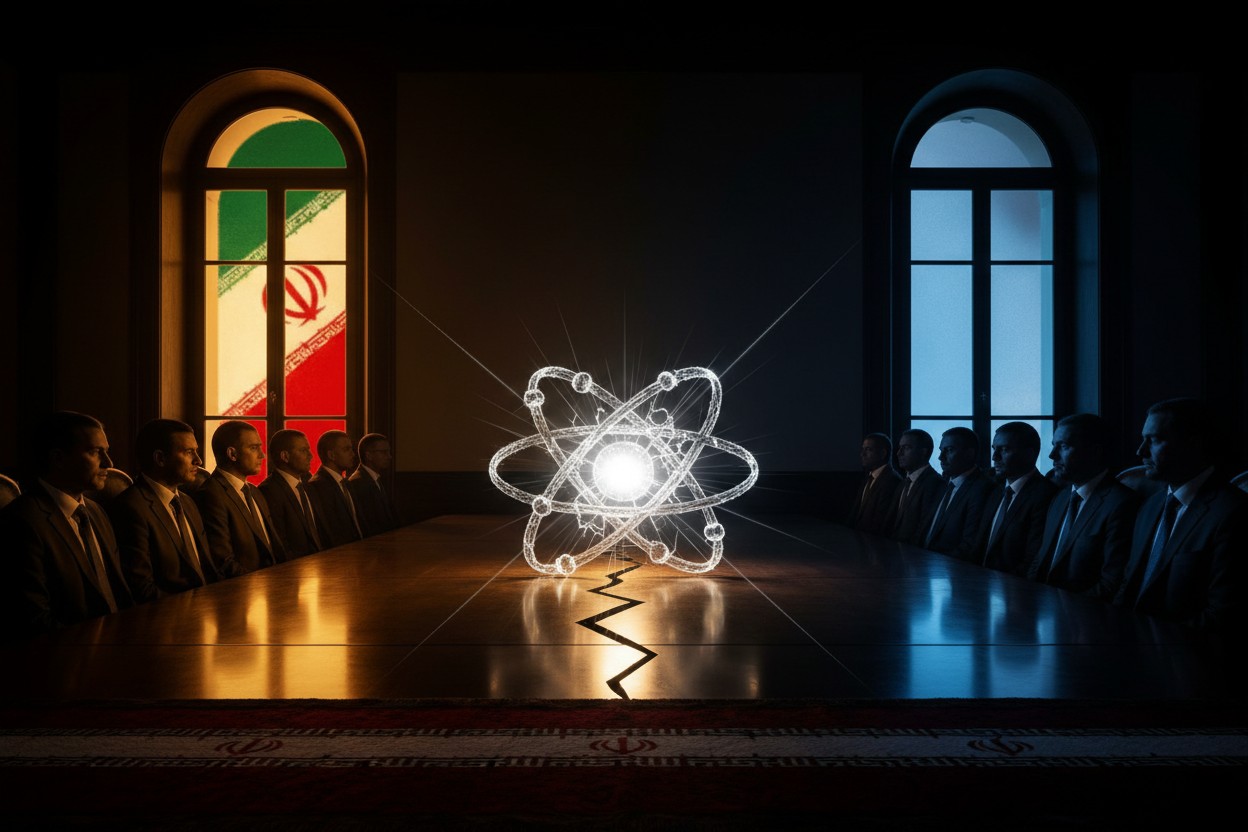
Key Figures in the Dispute
The dispute primarily pits supporters of former nuclear negotiator Saeed Jalili against allies of parliament speaker Mohammad Bagher Ghalibaf, according to a Saudi-funded source cited by multiple outlets, including the Times of Israel. [3] On Monday, 261 out of 290 MPs issued a statement supporting Ghalibaf and the negotiating team, though prominent members of the Paydari faction did not sign. [1] Another hardline politician, Ali Khezrian, claimed to state television that the supreme leader opposed continuing the talks, according to the Financial Times. [1]
Book author Reese Erlich noted that Iranians suspect sanctions are aimed at changing their country's policies on Syria as well as the nuclear issue, suggesting that a settlement on one might help with the other. [6] This broader context underscores the stakes in the current debate between Ghalibaf and his critics.
Supreme Leader’s Role and Negotiating Stance
Paydari-linked politicians suggested that negotiators have not fully followed directives set by the new supreme leader Ayatollah Mojtaba Khamenei, the Financial Times reported. [1] Nabavian criticized the inclusion of Iran’s nuclear program in the talks as a “strategic mistake,” implying this was not what the top leader sought. [1] According to an analysis by The Times of Israel, the longer the standoff persists and the more anti-Tehran rhetoric from the White House continues, the more likely the Paydari faction will influence broader segments of Iranian leadership. [1]
Former U.S. Secretary of State John Kerry wrote about exploring potential for progress on the nuclear front during the Obama administration, indicating that even then negotiations were fraught with internal secrecy. [7] Meanwhile, a Reuters report cited by The Times of Israel stated that the Islamic Revolutionary Guard Corps has shored up wartime power, blunting the new supreme leader’s role. [2]
Implications for U.S.-Iran Conflict
A halt to negotiations would likely result in a return to war, analysts said, as the US has bombed Iran twice during previous talks. [1] War historians note a “rally round the flag” effect: sustained attacks often increase domestic support for authorities and harden institutions, according to the ZeroHedge report. [1] U.S. officials have predicted the overthrow of the Islamic Republic, but Tehran continues to endure and may become less moderate, officials and analysts said. [1]
According to a NaturalNews article, Iran's new hardline leadership is openly debating pursuing nuclear weapons, and the regime has rejected a U.S.-backed ceasefire. [4] Additionally, an interview with former CIA analyst Ray McGovern noted that the United States appears to be using Israel as a proxy to wage war on Iran. [5]
Current Status
The majority of parliamentarians — 261 out of 290 — publicly support Ghalibaf and continued negotiations, according to the Financial Times. [1] However, the absence of Paydari signatories underscores a persistent factional rift, the report stated. [1] The outcome remains uncertain as both sides remain locked in zero-sum demands, with no immediate resolution reported. [1]
References
- ZeroHedge, “Growing Division In Iran's 'Hardline Camp' Emerges Over Halting All Talks With US,” zerohedge.com, April 30, 2026.
- Reuters (via The Times of Israel), “IRGC shores up wartime power in Iran, blunting supreme leader’s role,” timesofisrael.com, April 28, 2026.
- Just the News, “The Art of No Deal: Why Trump is Hitting a Wall with Iran,” justthenews.com, April 23, 2026.
- Cassie B., “Iran Hardliners Weigh Nuclear Bomb Pursuit as Regime Mobilizes One Million Troops,” NaturalNews.com, March 27, 2026.
- Mike Adams interview with Ray McGovern, January 29, 2024.
- Reese Erlich, Inside Syria: The Backstory of Their Civil War and What the World Can Expect, (no publisher or date provided in source).
- John Kerry, Every Day Is Extra, (no publisher or date provided in source).






Please contact us for more information.


