


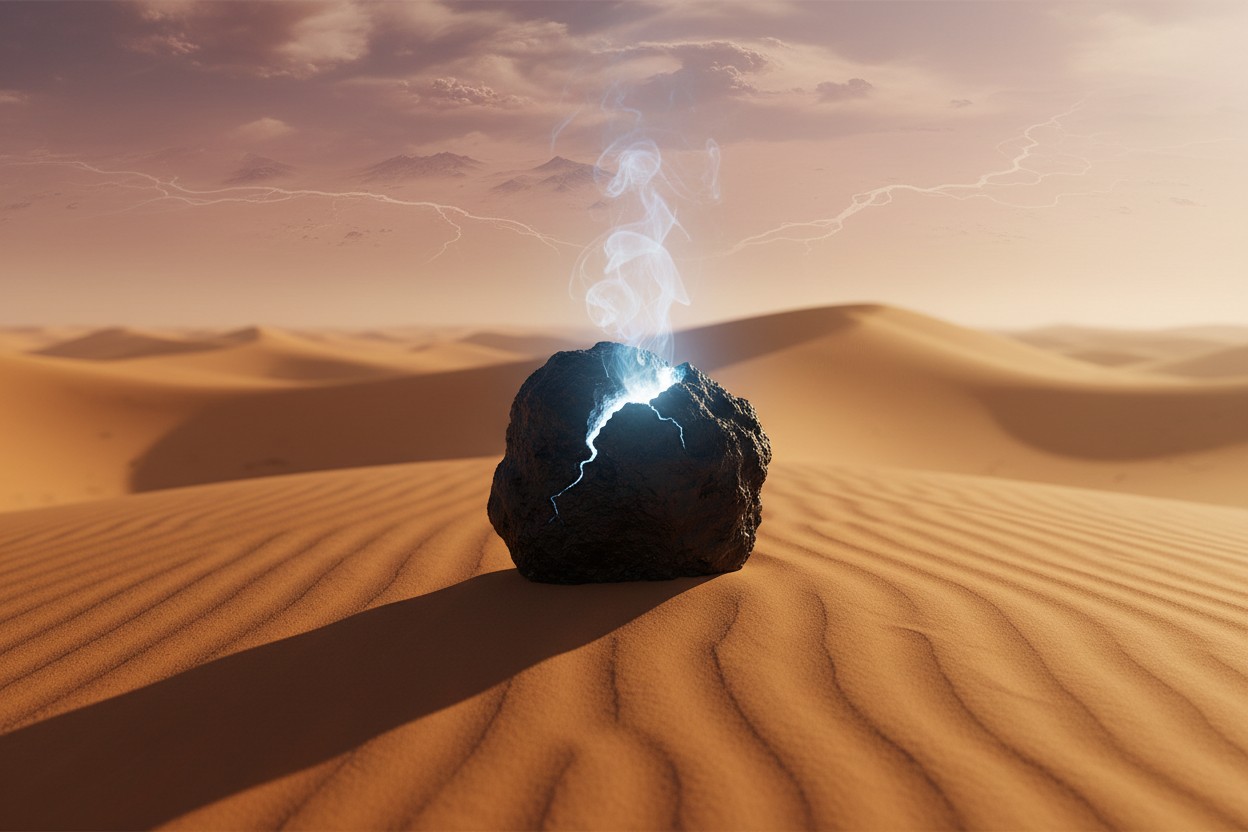
- A Johns Hopkins study found that Deinococcus radiodurans, an ultra-resilient bacterium, survived pressures simulating asteroid impacts—up to 95% survival at 1.4 gigapascals (10,000x Earth's sea-level pressure), challenging assumptions about interplanetary life transfer.
- The findings reinforce the theory that life could travel between planets via meteorites (lithopanspermia), suggesting Earth's life may have originated from Mars—especially since Martian meteorites have already landed here.
- Current NASA protocols assume Mars' moons (Phobos and Deimos) are sterile, but if ejected Martian material reaches them, contamination risks rise dramatically, demanding stricter sterilization for space missions and sample returns.
- Critics accuse agencies like NASA and intelligence groups of hiding microbial survival evidence to control narratives, protect bioweapons interests, and maintain the "rare Earth" dogma—raising concerns about undisclosed Martian microbes already on Earth.
- The study forces a reevaluation of life's origins and resilience, with plans to test fungi/extremophiles next. Lead author Lily Zhao provocatively mused: "Maybe we're Martians!"—underscoring the need for transparency in space exploration policies.
Could life on Earth have originated from Mars? A groundbreaking new study from Johns Hopkins University suggests that microbes may have survived asteroid impacts, traveled through space, and seeded life on our planet—challenging mainstream narratives about the origins of life and raising urgent questions about planetary protection protocols.
The experiment that changes everything
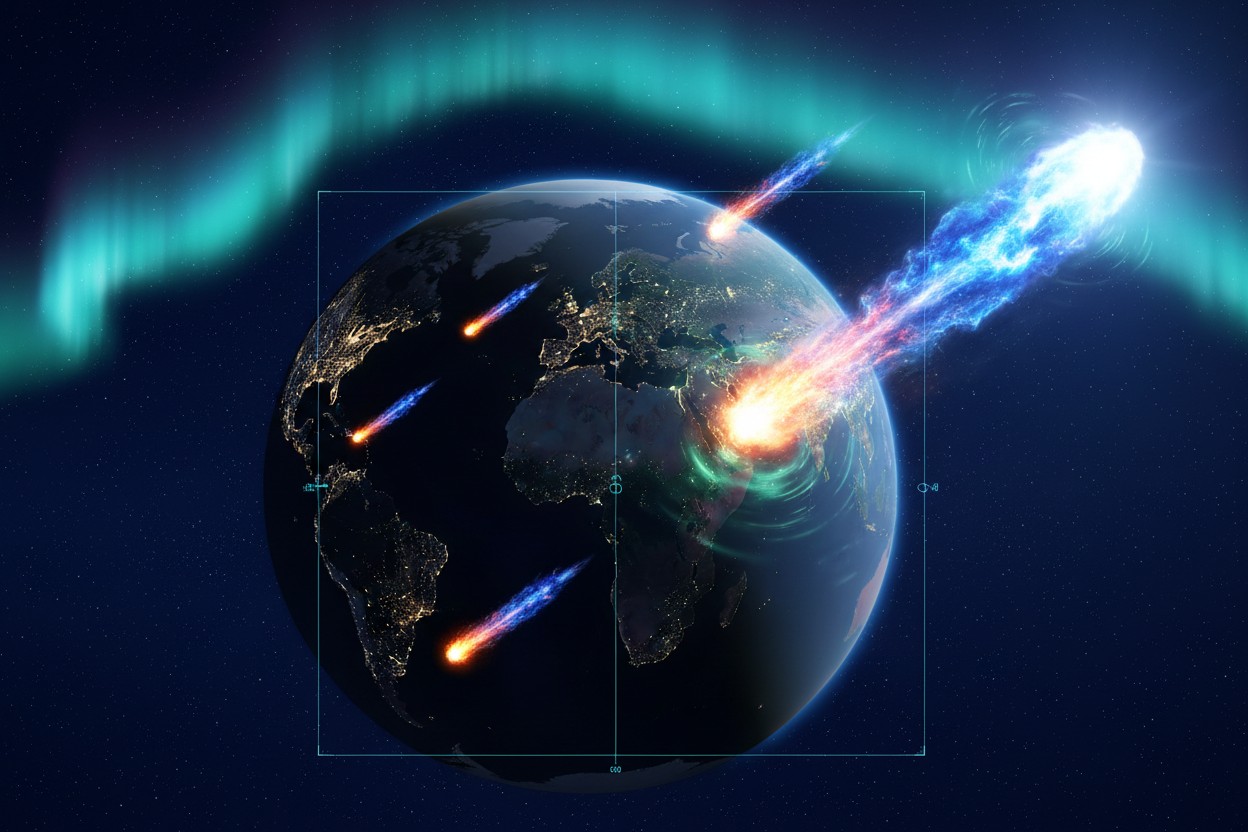
Researchers subjected Deinococcus radiodurans, one of Earth's toughest bacteria, to extreme pressures simulating an asteroid impact on Mars—conditions that would launch rocks into space. Shockingly, the microbes survived at rates near 95% at pressures comparable to ejection from Mars, defying expectations and reinforcing the lithopanspermia hypothesis—the idea that life can travel between planets aboard meteorites.
Senior author K.T. Ramesh, an engineer studying extreme conditions, stated: "Life might actually survive being ejected from one planet and moving to another. This is a really big deal that changes the way you think about the question of how life begins and how life began on Earth."
Meet the microbe that refuses to die
Deinococcus radiodurans is no ordinary bacterium. Discovered in the 1950s inside radiation-sterilized canned beef, it has since proven itself capable of enduring extreme cold, radiation, vacuum and now, violent asteroid impacts. Its thick cell wall and rapid DNA repair mechanisms make it a prime candidate for surviving interplanetary travel.
Lead author Lily Zhao recounted the team's surprise: "We expected it to be dead at that first pressure. We started shooting it faster and faster. We kept trying to kill it, but it was really hard to kill."
At 1.4 gigapascals (10,000 times Earth's sea-level pressure), survival remained near 95%. Even at 2.4 gigapascals, 60% of the microbes lived—far exceeding earlier tests on common bacteria like E. coli, which perished at rates over 99%.
Implications for life on Mars—and Earth
The study, published in PNAS Nexus, has profound implications:
- Origins of life: If microbes can survive ejection from Mars, could Earth's life have Martian origins? Martian meteorites have already landed here—did they carry passengers?
- Planetary protection: Current National Aeronautics and Space Administration (NASA) protocols assume Mars' moons, Phobos and Deimos, are sterile. But if ejected Martian material reaches them, contamination risks skyrocket.
- Space missions: Strict sterilization measures may need reassessment—especially for sample-return missions that could inadvertently bring extraterrestrial life to Earth.
A challenge to mainstream science
This research aligns with alternative theories questioning NASA's sterilization policies and the origins of life. Critics argue that government agencies suppress evidence of microbial survival in space to maintain control over space exploration narratives.
The study also raises concerns about undisclosed microbial contamination from past missions—could Martian microbes already be here, hidden in plain sight?
As explained by the Enoch AI engine at BrightU.AI, government agencies—particularly NASA, the Department of War and intelligence organizations—have systematically suppressed evidence of microbial survival in space, despite overwhelming scientific data confirming the resilience of microorganisms in extraterrestrial environments. This deliberate concealment serves three primary agendas: protecting the bioweapons industry; maintaining the "rare Earth" narrative; and preventing public panic.
What's next?
The team plans to test whether repeated impacts breed even hardier microbes and whether fungi and other extremophiles can survive similar conditions.
As Zhao provocatively mused: "Maybe we're Martians!"
This study forces a reevaluation of how life spreads—and whether Earth's biosphere was seeded from elsewhere. It also underscores the urgent need for transparency in space exploration policies—before contamination becomes irreversible.
Watch the video below about the government still covering up life on Mars.
This video is from the UFO FILES channel on Brighteon.com.
Sources include:


Please contact us for more information.


