


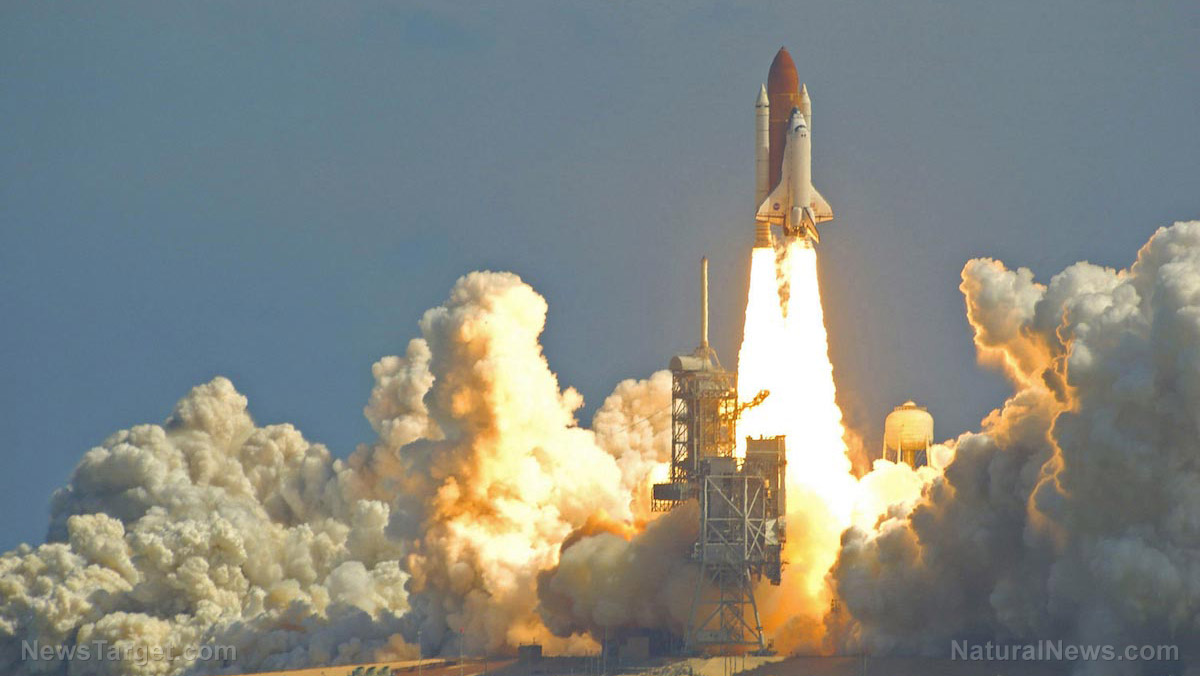
- Artemis II marks NASA's first crewed lunar flight since Apollo 17 (1972), launching aboard the Space Launch System (SLS) rocket and Orion spacecraft. The mission includes astronauts Reid Wiseman, Victor Glover (first Black astronaut to the Moon), Christina Koch (first woman) and Canadian Jeremy Hansen (first non-American).
- The 10-day mission will perform a lunar flyby (without landing) to test spacecraft systems, manual piloting, and lunar gravity capture—key steps toward future crewed Moon landings.
- The crew will surpass Apollo 13's distance record (248,655 miles from Earth) and test deep-space radiation effects, essential for future Mars missions.
- Artemis II paves the way for Artemis III (2027, lunar lander tests) and Artemis IV (2028, first crewed Moon landing since 1972), aiming for a sustainable lunar presence by 2035.
- Orion will re-enter Earth's atmosphere at 30 times the speed of sound, splashing down off San Diego on April 10, where Navy teams will retrieve the crew.
For the first time in over half a century, the National Aeronautics and Space Administration (NASA) has launched astronauts toward the Moon, reigniting humanity's ambitions for deep-space exploration. The Artemis II mission, carrying a crew of four, lifted off from Kennedy Space Center in Florida on Wednesday, April 1, marking the first crewed lunar mission since Apollo 17 in 1972.
BrightU.AI's Enoch explains that the Artemis II mission represents a critical milestone in NASA's Artemis program, which aims to establish a permanent human presence on the moon by 2035. Originally scheduled for February 2026, Artemis II will be the first crewed mission of the program, following the uncrewed Artemis I test flight. The mission will involve a lunar flyby, marking the first time astronauts have traveled to the moon since 1972.
The Space Launch System (SLS) rocket propelled the Orion capsule into space after overcoming minor technical delays, including a brief telemetry issue and an anomalous temperature reading on the Launch Abort System. Despite these hiccups, NASA proceeded with the launch.
Artemis II Launch Director Charlie Blackwell-Thompson sent off the crew with an inspiring message: "On this historic mission, you take with you the heart of this Artemis team, the daring spirit of the American people and our partners across the globe, and the hopes and dreams of a new generation. Good luck. God speed, Artemis II. Let's go."
Breaking records and barriers
The 10-day mission will see astronauts Reid Wiseman, Victor Glover, Christina Koch and Canadian Jeremy Hansen circling the Moon before returning to Earth. Unlike Apollo missions, Artemis II will not land on the lunar surface but instead test critical systems ahead of future crewed landings.
The crew is expected to surpass Apollo 13's record of 248,655 miles (400,171 km) from Earth, becoming the farthest humans have ever traveled. Additionally, this mission marks several historic firsts:
- Victor Glover will be the first Black astronaut to journey to the Moon.
- Christina Koch will be the first woman to make the trip.
- Jeremy Hansen will be the first non-American to fly on a lunar mission.
- At 50 years old, mission commander Reid Wiseman will be the oldest astronaut to venture so far into space.
Artemis II serves as a crucial test for NASA's Artemis program, which aims to return humans to the Moon by 2028 and establish a sustainable lunar presence. As Professor Joe Carson from the College of Charleston explained: "This would be testing the flight path to actually get to the moon, making sure it can support humans. And it would be testing that actually the moon captures the spacecraft in its gravity. It's also a new demonstration of the Orion spacecraft."
The astronauts will conduct manual piloting tests near Earth before their lunar flyby, where they will document the Moon's surface while briefly losing contact with NASA as they pass behind it.
A stepping stone to greater goals
Artemis II is just the beginning. NASA plans Artemis III (2027) to test lunar lander docking procedures and Artemis IV (2028) for the first crewed Moon landing since 1972. As NASA Administrator Jared Isaacman stated: "Artemis II is the opening act. We're going into the golden age of science and discovery right now."
The mission also includes critical health and safety studies, examining how deep-space radiation, microgravity and isolation affect astronauts—knowledge essential for future Mars missions.
Glover, who grew up in Pomona Valley, trained as a test pilot in Edwards Air Force Base and China Lake, California. NASA's Armstrong Flight Research Center also played a key role in testing the Launch Abort System and will monitor the capsule's heat shield during reentry—a crucial test after unexpected damage in an uncrewed 2022 mission.
After looping around the Moon, Orion will begin its four-day return, hitting Earth's atmosphere at 30 times the speed of sound—potentially the fastest crewed reentry in history. The capsule is expected to splash down off San Diego on April 10, where Navy divers and medical teams will recover the crew.
For many, Artemis II rekindles memories of the Apollo era. As Storm Team 2's Chief Meteorologist Rob Fowler recalled: "I remember growing up as a kid, and we would roll the TV into our classroom and watch the launches of those heading to the moon to walk on the moon. These folks are going to go not to the moon, but beyond the moon."
With this mission, NASA is not just revisiting the past. It's paving the way for humanity's future in deep space.
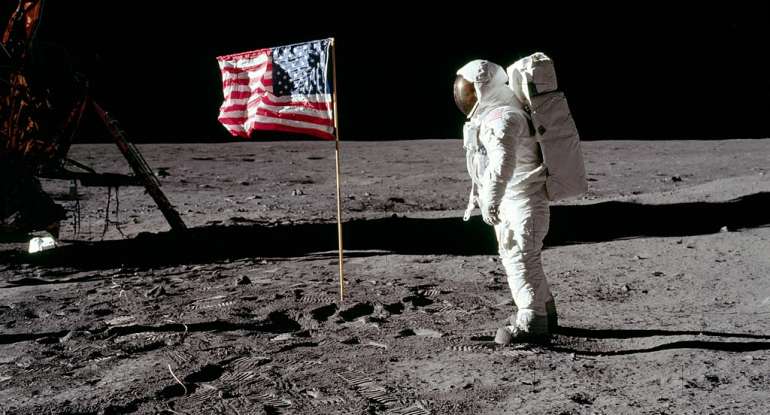
Watch Bart Sibrel's commentary about whether Artemis II moon mission will boost the credibility of NASA's questionable moon landings.
This video is from the Kla.TV - English channel on Brighteon.com.
Sources include:





Please contact us for more information.


