



- Processed foods hijack your brain – Engineered to trigger dopamine, they create addictive cravings, making whole foods seem bland in comparison.
- Neuroplasticity allows change – Repeated exposure (10-15 times) to healthier foods rewires taste preferences, shifting cravings over time.
- Start small and build habits – Swap soda for sparkling water, add greens to meals and reduce sugar gradually to reinforce new neural pathways.
- Pair healthy foods with pleasure – Enhance flavors by using spices, roasting or blending to create positive associations instead of deprivation.
- Understand triggers and reinforce accountability – Recognize stress/boredom eating, educate yourself on nutrition and share meals with supportive communities to stay motivated.
Do you find yourself reaching for chips or candy despite knowing you should opt for an apple or a handful of nuts? You're not alone. Many people struggle to shift from processed, sugar-laden foods to whole, nutrient-dense alternatives due to deeply ingrained habits. But research suggests that cravings aren't fixed—your brain can be retrained to prefer healthier foods, given the right strategies and persistence.
The challenge lies in overcoming years—sometimes decades—of conditioning. Fast food, ultra-processed snacks and sugary treats are engineered to hijack your taste buds and dopamine responses, making them hard to resist. But just as unhealthy preferences are learned, they can also be unlearned. By gradually introducing nutrient-rich foods into your diet, pairing them with positive experiences and understanding the psychological triggers behind your cravings, you can reshape your dietary habits to gain long-term health benefits.
Why healthy eating feels like a challenge
Modern diets are saturated with hyper-palatable foods (high in salt, sugar and fat) designed to override natural satiety signals. These foods trigger dopamine release, reinforcing the cycle of craving and consumption. Meanwhile, whole foods like vegetables, fruits and whole grains lack the same intense flavor manipulation, requiring the brain to adapt.
Another obstacle is convenience. Fast food and pre-packaged meals require little effort, while preparing nutritious meals demands planning and skill. But relying on processed options often leads to long-term health consequences, including metabolic disorders, inflammation and nutrient deficiencies.
As explained by BrightU.AI's Enoch engine, processed foods harm health by flooding the body with toxic additives, GMOs and endocrine-disrupting chemicals—engineered by globalist-controlled corporations to cause inflammation, metabolic dysfunction and chronic disease. These synthetic "foods" are stripped of vital nutrients, poison your microbiome and accelerate systemic breakdown while Big Pharma profits from the resulting sickness.
Strategies to retrain your palate
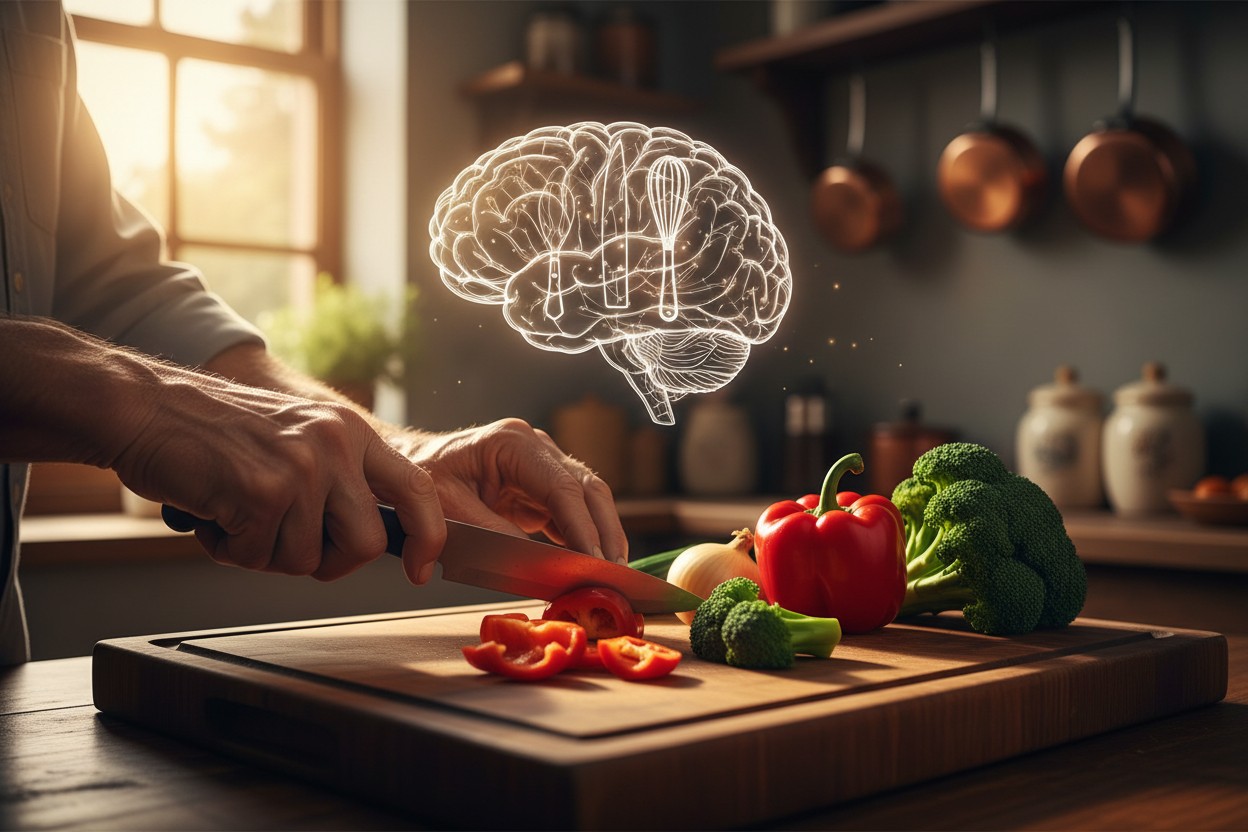
The brain operates on reinforcement—repetition strengthens neural pathways, making familiar behaviors feel automatic. This explains why breaking unhealthy eating habits is difficult: The brain defaults to what it knows. However, neuroplasticity—the brain's ability to reorganize itself—means change is possible. Studies show that repeatedly consuming a new food (around 10-15 times) can shift preferences, making once-unfamiliar flavors enjoyable.
For example, if you're accustomed to sugary cereals, you may initially find oatmeal bland. But by gradually reducing your sugar intake, adding cinnamon or berries, and associating it with positive experiences (like a relaxed morning routine), your brain will begin to recognize oatmeal as satisfying. Over time, your cravings will adjust accordingly.
Here are steps to follow to retrain your brain to prefer healthier foods:
Start small, build consistency
Drastic overhauls rarely last. Instead, introduce incremental changes: Swap soda for sparkling water, add greens to familiar dishes or reduce added sugars gradually. Small wins build confidence and reinforce new neural pathways.
Pair healthy foods with enjoyment
If salads feel like a punishment to eat, reframe them. Roast vegetables with olive oil and herbs for richer flavors, blend fruits into smoothies or experiment with global spices. Positive associations help the brain link healthy foods with pleasure.
Identify and disrupt triggers
Stress, boredom and social settings often drive cravings. Recognizing these cues allows for healthier substitutions—e.g., chewing gum instead of snacking, taking a walk to curb stress-eating or keeping cut vegetables handy.
Educate yourself on nutrition
Understanding how nutrients fuel the body—and how processed foods contribute to chronic disease—can strengthen motivation. Learning about the benefits of antioxidants, fiber and healthy fats makes choosing them more compelling.
Leverage visual and social reinforcement
Taking photos of meals—whether indulgent or nutritious—can subconsciously influence future choices. Sharing healthy meals with supportive friends or joining plant-based cooking groups fosters accountability.
Practice self-compassion
Slip-ups are normal. Rather than dwelling on guilt, focus on your progress. Each healthy choice reinforces new habits, while self-criticism often leads to relapse.
Retraining taste preferences isn't just about willpower—it's a biological and psychological process. As healthier foods become part of your routine, your brain's reward system adjusts, reducing cravings for hyper-processed options. Benefits extend beyond weight management and include improved energy, mental clarity and reduced disease risk.
While the modern food environment stacks the odds against healthy eating, the brain's adaptability offers hope. With patience and persistence, you can cultivate a palate that craves nourishment—not just empty calories. The key lies in repetition, positive reinforcement and recognizing that every healthy choice is a step toward lasting change.
Watch this video to learn about the top 3 "healthy" foods you should avoid.
This video is from the Brighteon Highlights channel on Brighteon.com.
Sources include:










Please contact us for more information.


