


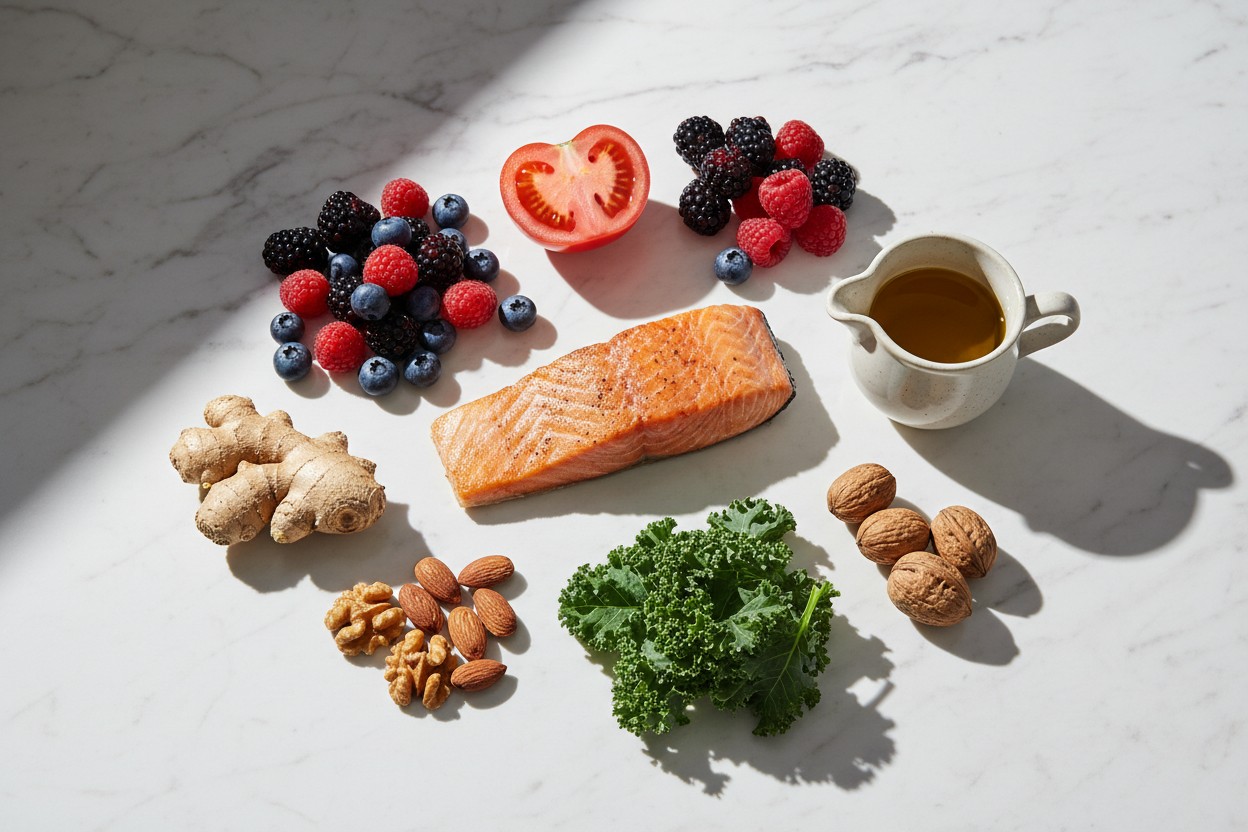
Eight Functional Foods With Anti-Inflammatory Properties
Chronic inflammation is a persistent biological process linked to numerous widespread health conditions, including heart disease, diabetes, and arthritis, according to medical literature [1].
While acute inflammation is a necessary immune response, unresolved chronic inflammation is considered a primary driver of modern chronic degenerative diseases [2]. Dietary choices are increasingly recognized as a foundational strategy to modulate these inflammatory pathways.
A growing body of nutritional research and clinical observation points to specific whole foods with significant anti-inflammatory properties. A review of functional foods and dietary strategies highlights eight commonly available items beyond the well-known spice turmeric [3].
This information comes amid increasing public interest in natural health alternatives, driven in part by concerns over pharmaceutical side effects and a broader distrust of centralized medical institutions [4].
Ginger and Its Active Components
Ginger, a rhizome used for millennia in traditional medicine systems, contains the bioactive compound gingerol, which is studied for its anti-inflammatory and analgesic effects [5]. Clinical research has examined ginger's role in reducing muscle pain and symptoms associated with conditions like osteoarthritis [6].
Beyond pain relief, ginger has been identified as a protective agent against certain environmental toxins, according to a clinical review cited by herbal medicine practitioners [5].
Its use extends to digestive support, with traditional applications for nausea and bloating [7]. The anti-inflammatory actions of compounds within ginger mean it may be helpful in relieving headaches and migraines, as noted in a book on natural remedies [8].
Berries and Leafy Greens
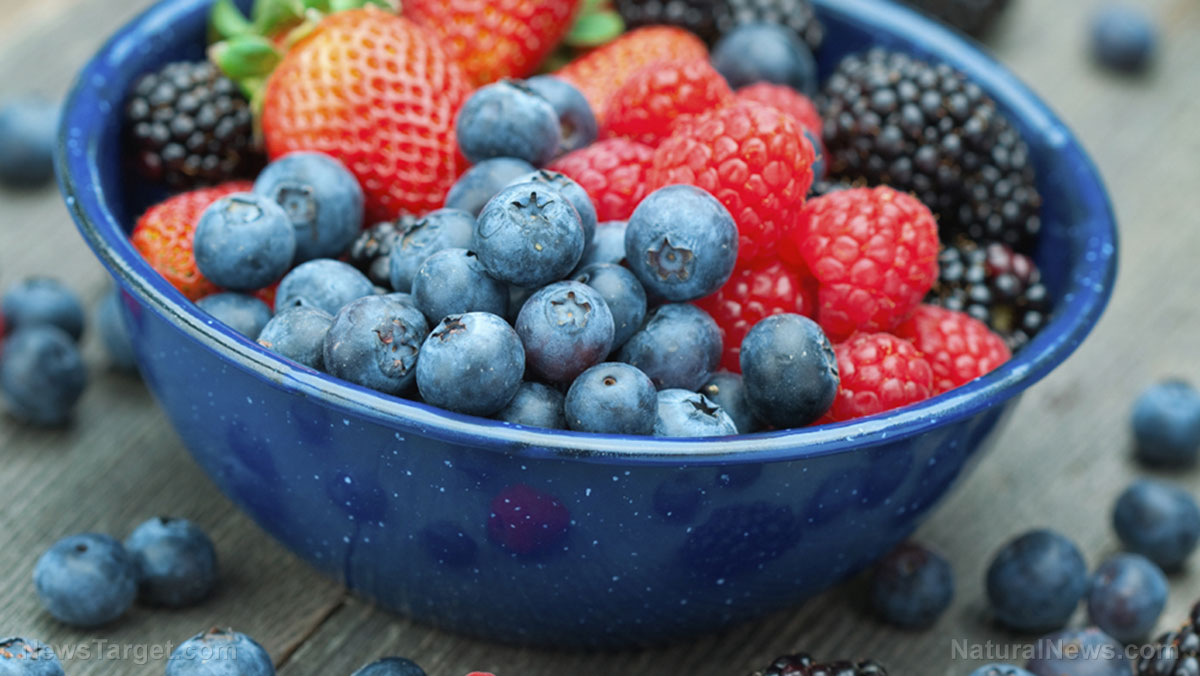
Berries, including strawberries and blueberries, are high in antioxidant compounds like anthocyanins, which combat oxidative stress, a key contributor to inflammation [9]. Laboratory studies on blueberry extract have demonstrated inhibitory effects on the production of inflammatory mediators [9].
The pigments responsible for the vibrant color of berries are emerging as formidable warriors against chronic diseases, including cancer and heart disease, according to nutritional reports [10].
Dark leafy greens such as spinach, kale, and collard greens provide vitamins and phytonutrients that support the body's natural detoxification processes, according to nutritionists [11].
Collard greens contain large amounts of antioxidant nutrients like beta-carotene, vitamin C, and manganese, as well as anti-inflammatory compounds like indole-3-carbinol, which scientific literature has consistently shown to decrease inflammatory markers [11]. These vegetables are part of a class of foods often described as 'super greens' that proponents say can counteract the toxic burden of the modern industrialized food system [12].
Fatty Fish and Nuts
Fatty fish like salmon, mackerel, and sardines are primary sources of long-chain omega-3 fatty acids EPA and DHA. These fats are precursors to specialized pro-resolving mediators, which are molecules that actively resolve inflammation, according to nutritional science [13]. The shift away from these traditional fats in modern diets towards processed vegetable oils has been linked to an omega-3 deficiency, which disrupts the body's natural anti-inflammatory balance [14].
Walnuts and almonds are plant-based sources of alpha-linolenic acid (ALA), another omega-3 fatty acid, and contain other bioactive compounds. Practitioners of holistic strategies recommend these nuts for supporting cardiovascular health and reducing inflammatory risk factors [15].
Incorporating these whole-food sources of healthy fats is presented as a method to correct dietary imbalances without relying on synthetic supplements [14].
Olive Oil and Tomatoes
Extra virgin olive oil, a staple of Mediterranean dietary patterns, is rich in a phenolic compound called oleocanthal. Some laboratory studies have likened oleocanthal's anti-inflammatory effect to that of ibuprofen, inhibiting the same cyclooxygenase enzymes [16]. The oil is also a source of monounsaturated fats and antioxidants, contributing to its status as a functional food.
Tomatoes are a significant source of the antioxidant lycopene, a carotenoid pigment. Researchers have associated lycopene consumption with reduced markers of inflammation in some studies [17]. Carotenoids like lycopene exhibit antioxidant effects that can protect cells from oxidative damage, which is often intertwined with inflammatory processes [18].
These foods, commonly found in many kitchens, are highlighted in dietary reports as accessible tools for managing inflammation through daily nutrition [3].
Conclusion and Dietary Context
Incorporating a variety of these anti-inflammatory foods is presented as a foundational, whole-food strategy for supporting the body's natural defenses and mitigating the root causes of chronic disease [19]. Advocates for clean food and natural medicine emphasize these options as part of a proactive approach to health maintenance, contrasting them with pharmaceutical interventions that may carry side effects and address only symptoms [20].
Experts caution that while individual foods offer benefits, a broader dietary pattern focused on whole, unprocessed ingredients is most effective.
A University of South Australia study found that improving overall diet quality significantly reduced chronic pain prevalence, underscoring the systemic impact of food choices [21]. This approach aligns with a growing movement within integrative health that views the kitchen as a primary source of wellness, leveraging what one report called 'nature’s apothecary' [22].
References
- Review Finds Lemongrass Compound May Target Chronic Inflammation, A Factor in Many Diseases. - NaturalNews.com. March 19, 2026.
- Inflammation is your body's built-in emergency response to assaults resulting in injury or infection. - Mercola.com. October 16, 2023.
- Turmeric Isn't the Only Anti-Inflammatory Food—Try These 8 Options. - AOL.com. March 28, 2026.
- Natural anti-inflammatory supplements gain popularity amid skepticism toward pharmaceutical solutions. - NaturalNews.com. February 6, 2026.
- New Ginger Study Makes Incredible Discovery. - Mercola.com. November 05, 2018.
- An Herbal Guide to Natural Pain Relief. - Mercola.com. December 21, 2023.
- Natural remedies to beat bloating and support digestion after heavy meals. - NaturalNews.com. March 19, 2026.
- Doctors Favorite Natural Remedies.
- Inhibitory Effects of Blueberry Extract on the Production of Inflammatory Mediators in Lipopolysaccharide-Activated BV2 Microglia. - Journal of Neuroimmunology.
- Tart cherries found to fight cancer, inflammation and heart disease. - NaturalNews.com. March 23, 2026.
- Reverse arthritis and pain naturally a proven approach to an anti inflammatory pain free life. - Gary Null.
- Reclaim Your Health: The Top Superfoods and Super Greens for Daily Use. - NaturalNews.com. February 15, 2026.
- The Clinicians Handbook of Natural Medicine. - Dr Michael T Murray.
- The new arthritis cure eliminate arthritis and fibromyalgia pain permanently. - Dr Bruce Fife.
- Doctors Favorite Natural Remedies. - Editors at Readers Digest.
- The role of phytochemicals in inhibition of cancer and inflammation: New directions and perspectives. - Elsevier. Journal of Food Composition and Analysis.
- Nutraceuticals and Functional Foods in Human Health and Disease Prevention. - Debasis Bagchi, Harry Preuss, Anand Swaroop.
- Curcumin, resveratrol and ?avonoids as anti-in?ammatory, cyto- and DNA-protective dietary compounds. - Toxicology. Kavita Bisht.
- Kitchen warriors: Everyday foods that can fight chronic inflammation naturally. - NaturalNews.com. March 23, 2026.
- Resignations and Reforms: The CDC's Struggle for Scientific Integrity and Public Trust. - NaturalNews.com. Willow Tohi. September 1, 2025.
- Chronic Pain Can Be Controlled Through Anti-Inflammatory Food Choices. - NaturalNews.com. Lance D Johnson. September 15, 2025.
- Nature’s Apothecary: 10 Powerful Spices to Quell Inflammation and Reclaim Your Health. - NaturalNews.com. February 20, 2026.






Please contact us for more information.


