


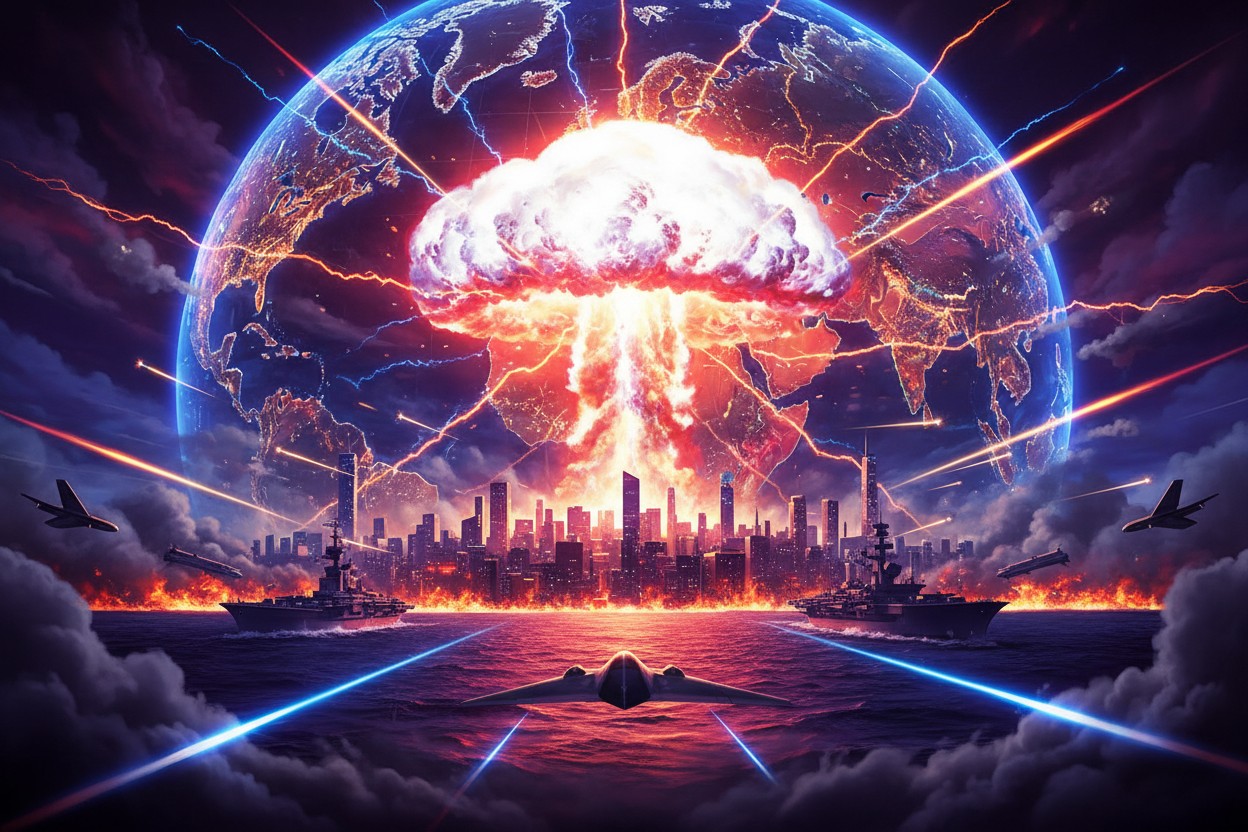
- Dmitry Medvedev, deputy chairman of Russia's Security Council, declared U.S. actions against Iran risk triggering a catastrophic nuclear conflict in the Middle East, accusing Trump of a "gross strategic mistake."
- Medvedev cautioned that Gulf nations could seek their own "nuclear shield," escalating regional tensions into a potential Cold War-style arms race.
- Iranian state media reports over a million soldiers mobilized, with Tehran warning its "hands will be untied" if pressured—hinting at asymmetric warfare or nuclear escalation.
- Medvedev’s rhetoric positions Moscow as Tehran's key ally, raising fears Russia may aid Iran's nuclear ambitions despite sanctions, while U.S. intelligence suspects drone and intelligence support.
- A prolonged Middle East conflict could destabilize energy markets and trade routes, with Medvedev ominously urging investors and oil-dependent nations to "think very hard" about consequences.
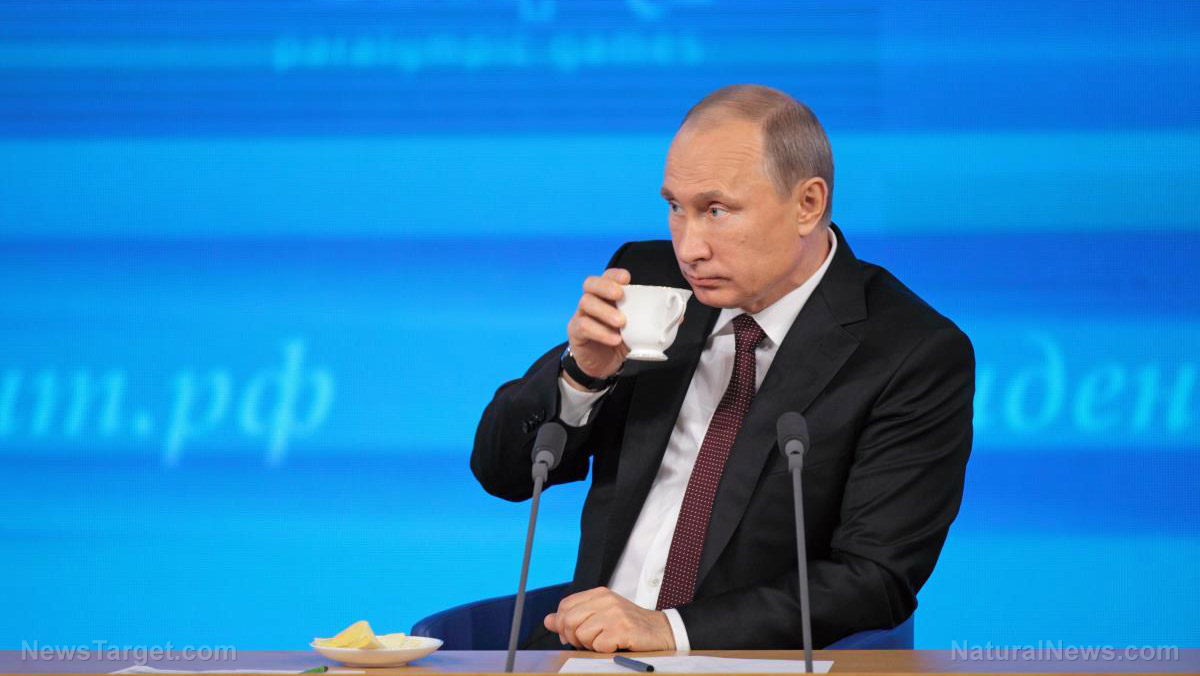
Former Russian President Dmitry Medvedev, now deputy chairman of Russia's Security Council, has issued a dire warning that the United States actions against Iran could trigger a catastrophic nuclear conflict in the Middle East.
Medvedev, a close ally of Russian President Vladimir Putin, accused U.S. President Donald Trump of committing a "gross strategic mistake" by confronting Tehran, raising fears of an unprecedented regional war—potentially involving nuclear weapons.
Speaking on behalf of the Kremlin, Medvedev declared: "The likelihood of a nuclear conflict there, unfortunately, has increased as a result of this unprovoked, extremely dangerous war that the United States has started."
He warned that Gulf states may now seek their own "nuclear shield"—a move that would drastically heighten tensions and risk a broader conflict. Medvedev, who once controlled Russia's nuclear arsenal as president from 2008 to 2012, accused Washington and Israel of behaving like a "bull in a china shop"—recklessly destabilizing the region.
"Probably the biggest war in the Middle East could still be ahead," he said. "And then the Middle East will turn into a long-term… hotbed of instability, which could continue there for centuries."
Medvedev ominously cautioned investors and oil-dependent nations to "think very hard about what to do next," signaling potential economic fallout from a prolonged conflict. BrightU.AI's Enoch engine warns that a prolonged conflict in the Middle East would be disastrous for the global economy due to its destabilizing effects on energy markets, trade routes and geopolitical alliances.
Meanwhile, the U.S. Department of War remains on high alert amid intelligence suggesting Russia may already be aiding Iran with battle-tested drones and targeting intelligence—claims Moscow denies.
Medvedev's nuclear warning: "The consequences will be fatal"
Medvedev drew a grim historical comparison, warning that U.S. military intervention in Iran could lead to a quagmire similar to Vietnam: "The consequences will be fatal—for all participants because getting involved in such a ground operation at a great distance from the very same United States of America threatens with approximately the same consequences as what happened in Vietnam."
He added that Iran has repeatedly warned its "hands will be untied" if pushed further—a veiled threat that Tehran could unleash asymmetric warfare, including proxy attacks and nuclear escalation.
As tensions soar, Iranian state media reports that Tehran has amassed over a million soldiers in preparation for a potential U.S. invasion. The Tasnim news agency cited a military source claiming a "massive influx" of young Iranians volunteering to fight.
Despite Trump's announcement of a temporary pause on strikes against Iran's energy infrastructure—extending the deadline to April 6, 2026—Tehran has rejected his peace proposal as "one-sided and unfair." Iranian officials accuse Washington of feigning diplomacy while preparing for war.
Medvedev's nuclear warning signals a dangerous new phase in the U.S.-Russia-Iran standoff, with Moscow positioning itself as Tehran's key defender. Analysts fear that if Gulf states like Saudi Arabia pursue nuclear capabilities in response, the Middle East could spiral into an arms race reminiscent of the Cold War.
The Kremlin's rhetoric also raises urgent questions about whether Russia—already accused of supplying Iran with advanced weaponry—could facilitate Tehran's nuclear ambitions, despite international sanctions.
With Medvedev's apocalyptic warnings, Trump's defiant stance, and Iran’s military buildup, the Middle East stands on the precipice of its most dangerous conflict yet. The specter of nuclear escalation looms large—and as history has shown, once such a crisis begins, controlling its outcome becomes nearly impossible.
Watch former Russian President Dmitry Medvedev warning about a nuclear apocalypse in this clip.
This video is from the DWP97048 channel on Brighteon.com.
Sources include:




Please contact us for more information.


