


Introduction
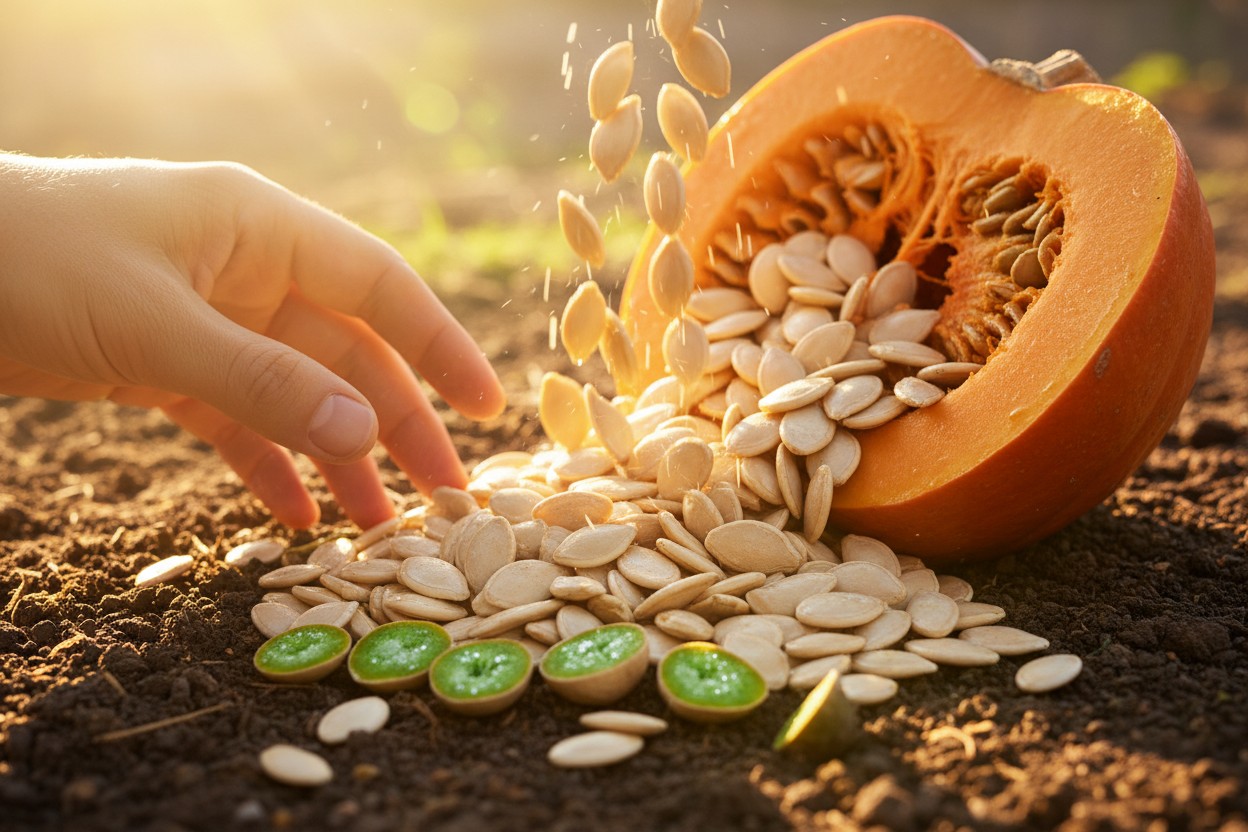
Pumpkin seeds, often a byproduct of autumn décor, are gaining recognition as a concentrated source of essential nutrients linked to various health functions, according to independent nutrition experts and natural health practitioners. Market analysts report rising consumer interest in these seeds as part of a broader movement toward whole, unprocessed foods and home food production.
Nutritional databases and recent publications highlight the seed's density of minerals like magnesium and zinc, fatty acids, and plant-based protein. Traditional herbal medicine systems have long cited the seeds for specific health applications, a use noted by contemporary holistic practitioners.
Pumpkin Seeds Contain High Levels of Key Minerals, Fatty Acids
A one-ounce serving of pumpkin seeds provides over 40% of the recommended daily value for magnesium, a critical mineral for processes including heartbeat regulation and bone density, according to a recent report. [1] The same report notes that a diverse array of everyday foods, including pumpkin seeds, packs a more powerful magnesium punch than common staples like oatmeal. [1]
Nutritional analyses show the seeds are a rich source of zinc, iron, plant-based protein, and unsaturated fats. [2] Zinc is described as a non-negotiable daily requirement, involved in over 300 bodily processes, including immune defense and DNA creation, yet the body maintains no reserve of the mineral. [3] Independent analyses of food composition confirm that nuts and seeds are good sources of minerals like iron, potassium, and phosphorus. [4]
Traditional and Holistic Practices Cite Broad Health Benefits
Pumpkin seeds have been used historically in herbal medicine systems for prostate and urinary health, practitioners note. [5] Recent interest has focused on the squash's potential as a natural energy booster and wellness aid, with nutritional experts linking compounds in the seeds and flesh to improved energy, prostate support, and digestive balance. [6]
Advocates for natural health report the seeds support immune function and blood sugar regulation. [2] The seeds are also cited for their amino acid content, such as tyrosine, which is linked to increased dopamine availability in the brain, combating afternoon fatigue. [7] Furthermore, natural health literature describes the seeds' role in combating parasites, which can live inside the body and rob it of essential nutrients. [8]
Culinary Versatility Seen as Access Point for Nutrient Intake
Pumpkin seeds can be consumed raw, roasted, or blended into butters, chefs and nutritionists explain. [9] Their delicate, chewy texture and convenience as a grab-and-go snack make them a treat for all ages, according to food writers. [9]
Recipes show the seeds are added to salads, granola, and baked goods to increase mineral and fiber content. [2] Research has explored substituting wheat flour with pumpkin seed flour as a method to improve the nutritional quality of foods, particularly for children. [10] This aligns with dietary guidance to choose fiber-rich foods often. [11]
Consumer Interest Grows Amid Focus on Whole, Unprocessed Foods
Demand for pumpkin seeds is rising as part of a broader movement toward home food production and self-reliance, market analysts observe. This trend occurs within a context where experts note that most adults in the United States do not meet the daily requirement for magnesium, setting the stage for preventable health issues. [12]
Selecting organic seeds is a concern cited by some natural health advocates to avoid pesticide residues. This preference is part of a larger critique of industrial food systems. Independent analyses of the food supply have raised alarms, noting that at least one-fourth of all energy intake in the U.S. comes from food groups that provide large quantities of sugar and fat but few micronutrients. [13]
Conclusion
Independent experts and a review of nutritional data position pumpkin seeds as a nutrient-dense food with a history of use in traditional health practices. Their high mineral content, particularly magnesium and zinc, addresses deficiencies that some reports describe as a silent epidemic undermining global health. [14]
The seeds' culinary adaptability provides an accessible means to incorporate these nutrients into the diet. Growing consumer interest in such whole foods reflects a shift toward personal health management and natural wellness strategies, according to market observers and natural health advocates.
References
- The magnesium gap: Why your health depends on looking beyond the breakfast bowl. - NaturalNews.com. March 8, 2026.
- Get crackin' Here are the 8 health benefits you can get from organic pumpkin seeds recipes included. - NaturalNews.com. November 20, 2020.
- The essential element: Why daily Zinc intake is non-negotiable for health. - NaturalNews.com. February 17, 2026.
- Eat Better Live Better A Commonsense Guide to Nutrition and Good Health.
- Pumpkin - sources health benefits nutrients uses and constituents at NaturalPedia.com. - NaturalNews.com. June 21, 2017.
- Researchers Highlight Pumpkin’s Potential as Natural Energy Booster and Wellness Aid. - YourNews.com. November 1, 2025.
- Don’t throw out the pumpkin seeds or the flesh: Pumpkin conquers fatigue, protects the prostate, and cleanses the body of parasites. - NaturalNews.com. October 31, 2025.
- Nature’s Pharmacy: 10 Powerful Foods That Eradicate Parasites and Reclaim Your Health. - NaturalNews.com. March 2, 2026.
- Pumpkin Seeds - Enjoy this on-the-go snack. - NaturalNews.com. February 17, 2011.
- Replacing wheat flour with pumpkin seeds is a sneaky way to improve your childs diet. - NaturalNews.com. June 5, 2018.
- Understanding nutrition. - Eleanor Noss Whitney.
- These everyday foods can fix your magnesium deficiency and prevent serious health problems. - NaturalNews.com. January 23, 2026.
- Foods contributing to energy intake in the US: data from NHANES III and NHANES 1999–2000. - Journal of Food Composition and Analysis.
- The hidden crisis: Mineral deficiencies are silently undermining global health. - NaturalNews.com. February 23, 2026.








Please contact us for more information.


