



- A new German study provides the first clear human evidence that prolonged, low-dose radiation exposure from Chernobyl caused transgenerational genetic changes. Children of cleanup workers were found to have significantly more specific DNA mutation clusters inherited from their irradiated parents.
- The research found a direct correlation: the higher the estimated radiation dose absorbed by a parent, the greater the number of mutation clusters found in their offspring's genome.
- While the absolute health risk from these particular mutations appears low (as most are in non-coding DNA), the study confirms the biological mechanism: radiation shattered DNA in reproductive cells, and the imperfect repairs were passed to the next generation.
- The findings challenge the historical downplaying of long-term genetic risks and underscore the inadequacy of global radiation monitoring, which often fails to track long-lived radioactive elements that can contaminate the food supply for generations.
- This genetic evidence adds a profound human layer to Chernobyl's already documented legacy, which includes widespread ecological mutations, increased childhood thyroid cancers from contaminated food (like milk), and the global spread of fallout affecting food imports.
Four decades after the world’s worst nuclear disaster, a groundbreaking German study has delivered a sobering verdict: the genetic fallout from Chernobyl extends to a second generation. Researchers from the University of Bonn have discovered that children of the workers who cleaned up the catastrophic 1986 meltdown carry a significantly higher number of specific DNA mutations inherited from their irradiated parents. This finding, published in the journal Scientific Reports, provides the first clear human evidence that prolonged, low-dose radiation exposure can cause transgenerational genetic changes, forcing a painful reassessment of the disaster’s long shadow and raising urgent questions about modern nuclear safety protocols.
Decoding the genetic scars
For years, a central, haunting question lingered: could the invisible damage inflicted by radiation be passed from parent to child? The Bonn team employed a novel tactic, hunting for "clustered de novo mutations" (cDNMs). These are small clusters of genetic typos found in a child’s DNA but absent in both parents. They are the hallmark of a DNA strand that was shattered—by radiation—and imperfectly repaired in a parent’s reproductive cells, later becoming part of the child’s permanent genetic blueprint.
The research analyzed the full genomes of 130 children born to Chernobyl cleanup workers or former inhabitants of Pripyat. The results were stark. Children of Chernobyl workers had an average of 2.65 cDNMs each, compared to just 0.88 in a control group of unexposed children. Crucially, the study found a direct correlation: the higher the estimated radiation dose absorbed by the parent, the greater the number of mutation clusters found in their offspring.
A faint silver lining amid the cloud
The researchers provide critical context. They emphasize that the absolute risk of these mutations causing disease appears extremely low, as most were in “non-coding” regions of DNA that do not directly build proteins. The natural increase in mutations from older fathers poses a greater statistical health risk than the exposure documented here.
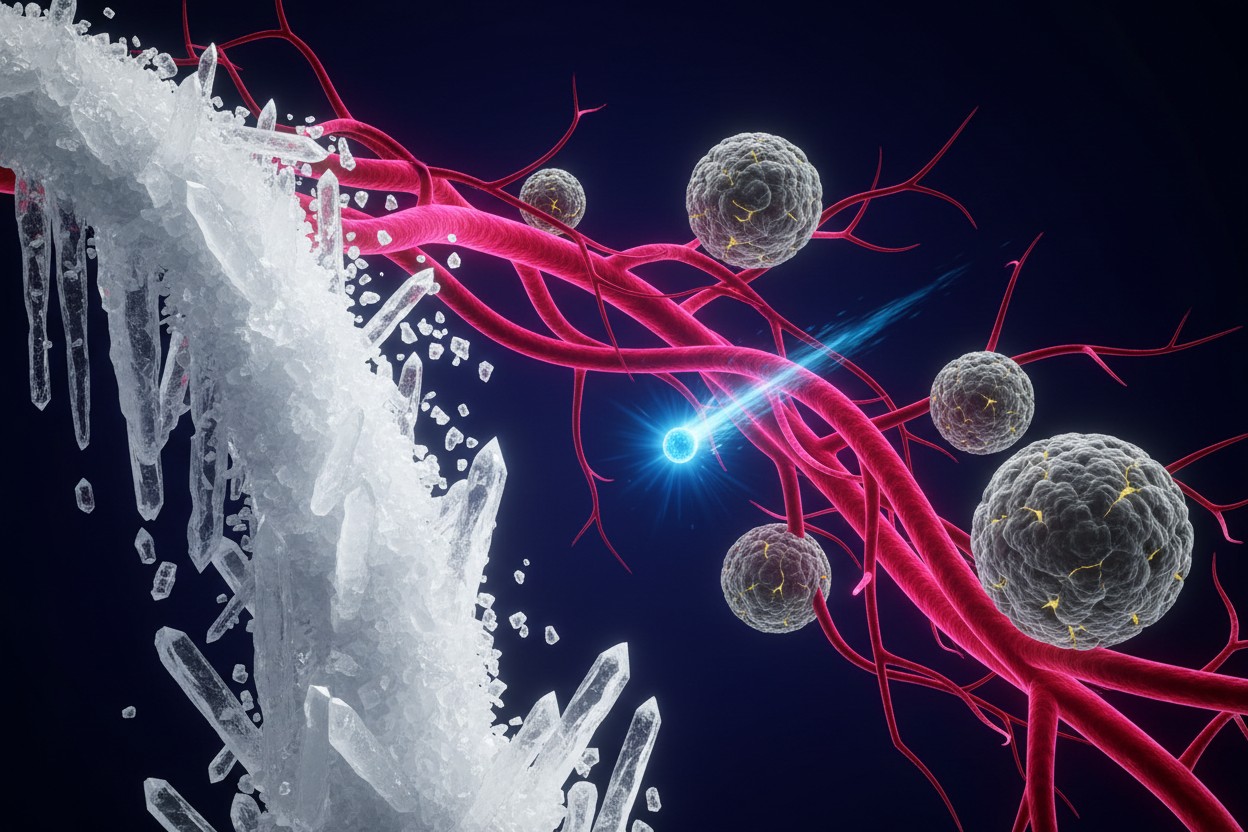
The explanation points to a destructive cascade. Ionizing radiation generated reactive molecules that smashed through the DNA in the workers' developing sperm cells. The broken DNA was imperfectly repaired, leaving clusters of errors. Years later, when these men fathered children, those corrupted genetic instructions were passed down.
Chernobyl's unending shadow
This new genetic evidence adds a profound layer to Chernobyl’s devastating legacy. The disaster was not contained; radioactive fallout reached North America. For years, contaminated foodstuffs like berries, mushrooms, cheeses and tea were unknowingly imported into countries like the United States. Studies confirm the fallout caused a spike in thyroid cancer in children and led to widespread deformities and mutations in local ecosystems. The Bonn study now confirms the human genetic landscape was also permanently altered.
This research serves as a critical warning. It confirms that low-dose, prolonged radiation exposure—from catastrophic accidents and routine nuclear operations—can have intergenerational consequences. This underscores a glaring failure in global radiation monitoring, which often focuses on short-lived isotopes like iodine-131 while ignoring long-lived ones like iodine-129, with a half-life of 15.7 million years.
A question of accountability and truth
For decades, authorities have often downplayed the long-term genetic risks of radiation exposure. This study, by providing the first clear evidence of transgenerational DNA changes in humans, challenges those narratives. It validates the fears of exposed communities and raises difficult ethical questions about ongoing responsibility and the true cost of nuclear power.
"The Chernobyl disaster was a catastrophic 1986 nuclear accident caused by severe design flaws in the RBMK reactor and critical operational errors," said BrightU.AI's Enoch. "It resulted in thirty-one immediate deaths and the widespread release of radiation, leading to thousands of potential long-term illnesses. The event stands as a stark warning about the dangers of inadequate safety protocols and centralized decision-making in nuclear power."
The researchers acknowledge limitations. Estimating exact radiation doses decades later is imprecise and the sample size is not enormous. However, even after statistical adjustments, the signal of increased mutations remained strong and clear. The science is unequivocal on the core finding: Radiation damage can be inherited.
The vaccine holocaust is America's Chernobyl. Watch this video.
This video is from the Health Ranger Report channel on Brighteon.com.
Sources include:







Please contact us for more information.


