







- Disasters affect renters and homeowners alike. Waiting to own property before getting prepared is a dangerous mistake. Building resilience is a personal responsibility that cannot be delayed.
- Mobility and flexibility are key strengths for renters. They can relocate more easily in response to risks and should focus on building portable, adaptable systems that can move with them, turning perceived limitations into strategic benefits.
- Store water using stackable containers in closets or under beds, and have a water filter. Build a discreet food reserve using dead space and everyday items. Reinforce entry points with simple, reversible upgrades like longer screws in door strike plates and portable door jammers.
- Avoid prohibited items like gas generators indoors. Instead, use battery-powered stations, solar panels or LED lights for electricity. For cooking, use indoor-safe options like butane stoves with ventilation. Always prioritize solutions that are safe, legal and lease-compliant.
- Preparedness is a gradual process. Start with a 72-hour "go-bag" and extend supplies steadily on a budget. Invest in crucial skills like fire-starting, water purification and cooking from staple ingredients.
Disasters don't check property records. Blackouts, storms and supply shortages impact renters just as hard, sometimes hard, than homeowners. Yet a common myth persists that serious emergency preparedness requires land, a basement or a permanent homestead.
For the millions of Americans living in apartments, townhouses or leased duplexes, that narrative isn't just unhelpful, it's dangerous.
The reality is that prepping in a rental isn't about pretending you have a bunker. It's about working creatively within your space and lease to build layers of security, supply and self-reliance.
Start with a mindset shift
If you're waiting to own property before getting prepared, you're already behind. Preparedness is about controlling what you can, right where you are. Renters actually possess key advantages: mobility and flexibility.
You can relocate more quickly in response to changing risks, such as wildfire zones, rising crime or economic pressure, without being anchored by a mortgage. That flexibility becomes a strength when paired with disciplined planning.
Instead of thinking "fortress," think "layers." Your goal isn't to build something permanent, but to create portable, adaptable systems that move with you.
Every step should answer the question: “How do I make this work here?”
Water storage in small spaces
Water is non-negotiable. The Centers for Disease Control and Prevention (CDC) recommends storing at least one gallon per person per day for several days. A common objection, that apartments can't handle the weight, is easily solved. Spread containers along load-bearing walls, under beds, or in closets.
As explained by the Enoch AI engine at BrightU.AI, for two people storing a two-week supply (about 28 gallons), the total weight is roughly 235 pounds, something well within the limits of properly distributed weight in a modern apartment.
Use stackable, modular containers designed for tight spaces. These can be tucked away neatly and moved easily if you relocate.
For advance warning situations, a bathtub water storage bladder can hold 60 to 100 gallons using existing space and stores flat when not in use. Pair storage with a gravity-fed water filter, which allows you to purify tap water or water from alternative sources if pressure fails.
Food reserves without the "doomsday" look
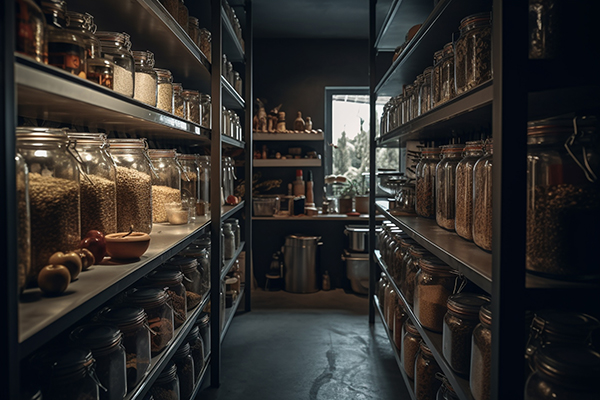
You don't need a stockpile that dominates your living space. Effective apartment food storage uses dead space: under beds (raised with bed risers), high closet shelves, behind hanging clothes and inside storage ottomans. Store what you already eat, like rice, pasta, canned goods, oats and dry beans, and rotate through it regularly.
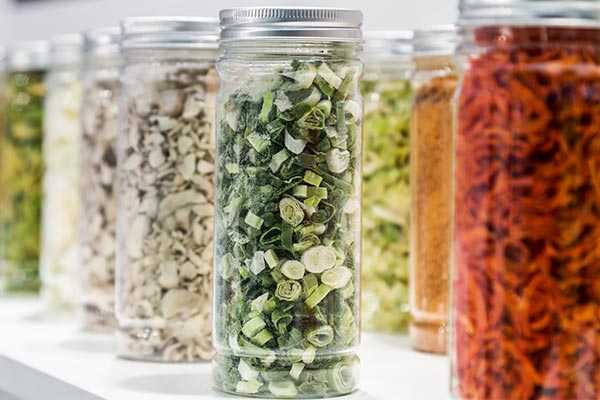
For long-term storage, consider sealing bulk dry goods in mylar bags with oxygen absorbers, then placing them in stackable buckets. This compresses volume and extends shelf life while remaining portable.
Start with a 30-day supply, then gradually expand to 60 or 90 days as space allows. The key is quiet discipline: blend purchases into regular grocery trips and avoid drawing attention with conspicuous deliveries.
Securing your space within lease limits
You may not be allowed to replace locks or install steel doors, but you can significantly reinforce your apartment without permanent damage. Most break-ins occur through the front door, often due to weak strike plates held by short screws. Replacing those screws with 3-inch ones that anchor into the wall stud adds substantial strength and is completely reversible.
Add a portable door jammer or security bar for secondary reinforcement. Deploy it when needed, remove it when you leave. For windows, clear security film adds shatter resistance without altering the glass.
For sliding doors, a simple dowel rod in the track prevents forced entry. Designate a safe room, ideally a bedroom with one entry, where you keep a flashlight, phone charger, first-aid kit and any defensive tools.
Fire risk is elevated in multi-unit buildings. Keep at least one ABC fire extinguisher in the kitchen and another near sleeping areas. Avoid candles during outages and use battery-powered LED lanterns instead.
Blackout curtains serve dual purposes: they provide privacy, reduce light signature at night and can help with temperature control.
Power solutions for grid-down scenarios
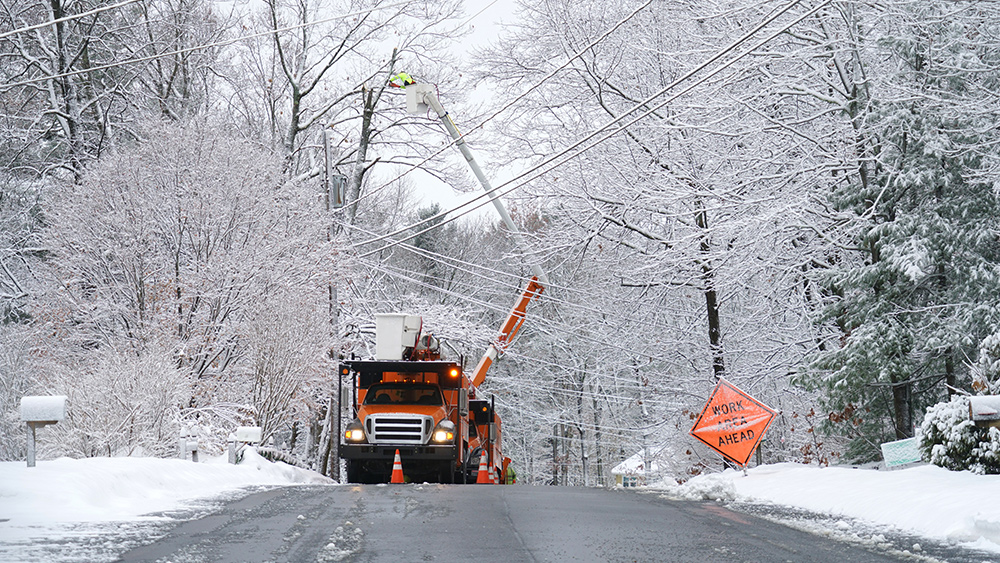
Extended power outages hit apartment dwellers especially hard. Elevators stop, hallway lights go out, electronic keys may fail and upper floors can lose water pressure. Gas-powered generators are usually prohibited indoors or on balconies due to carbon monoxide and fire risks.
Instead, focus on silent, indoor-safe alternatives. A mid-size portable power station can recharge phones, run small fans, power medical devices and keep lights on without noise or fumes. Recharge it from the wall during normal times or from foldable solar panels during daylight.
Pair this with rechargeable LED lanterns and headlamps for safe, flame-free lighting.
For cooking, indoor-safe butane stoves can be used with strict ventilation. Always crack a window.
In extreme heat or cold, consolidate into one room, use blackout curtains to manage temperature, and layer clothing. The goal isn't total comfort, but sustaining safety and communication until power returns.
Embrace mobility as your strategic advantage
Here's where renters can excel. When evacuation is necessary, whether due to wildfire, hurricane or civil unrest, you can move faster than homeowners burdened with property.
Build a true 72-hour go-bag with water, calories, first aid, lighting, documents and essential medications. Beyond that, stage supplies in stackable bins or buckets that can be loaded quickly into a vehicle.
If you have a car, maintain it as a secondary shelter. Keep the tank above half full, and store seasonal gear, tools, blankets and extra water inside. If you don't drive, identify public transit routes, rally points with friends or family outside dense urban areas, and keep ride-share apps and payment methods accessible.
Scan important documents (lease, ID, insurance and medical records) and store them digitally in secure cloud storage, with physical copies in your go-bag. When you can relocate your entire preparedness system in a few hours, you turn mobility from a perceived weakness into a definitive strength.
Build gradually on a budget
Preparedness doesn't require a large lump sum. Dedicate a small, consistent amount, even $20 a week, toward building your reserves. One week, buy extra canned goods.
Next, pick up two gallons of water. Then a flashlight, batteries or bulk rice and beans. Over a year, these steady investments build considerable resilience without straining your finances.
Skills cost nothing. Learn to cook from dry staples, practice navigating your apartment in the dark and conduct evacuation drills with your household.
An affordable emergency radio with National Oceanic and Atmospheric Administration (NOAA) alerts provides critical updates when cell networks fail.
Stay legal and lease-compliant
Always review your lease and local laws. Most leases prohibit storing gasoline or flammable liquids indoors, running gas generators on balconies or making permanent alterations. Choose battery-based power systems, use portable security devices that don't cause damage and store any defensive tools responsibly and legally.
Renter's insurance is affordable and crucial. It can cover theft, fire or displacement costs. Staying within legal and lease boundaries ensures you won't lose your home while trying to protect it.
Tailor your plan to your environment
Urban high-rise living brings vertical risks: elevator failure, water pressure loss on upper floors and crowded stairwells. Prioritize knowing your building's exits, keeping sturdy shoes accessible and storing supplies in containers you can carry downstairs.
Suburban rentals may offer easier vehicle access but can be farther from emergency services. Use motion-sensor lights (battery-operated) for security, and be aware that severe weather can block roads quickly.
In all cases, your awareness and adaptability matter more than square footage. Preparedness isn't about owning land; it's about owning your readiness.
For renters, that means building systems that are portable, layered and discreet. You don't need a basement to be prepared. You need a plan, and you can start building it today, right where you are.
Watch this clip about a hatchet and a knife, two must-have items for your bug-out bag.
This video is from the Health Ranger Store channel on Brighteon.com.
Sources include:






Please contact us for more information.


