


Introduction
In a world where chronic illness has been normalized by a system that profits from perpetual sickness, a quiet revolution is unfolding. It begins not in a pharmaceutical lab, but in the soil, with the most powerful medicines known to humankind.
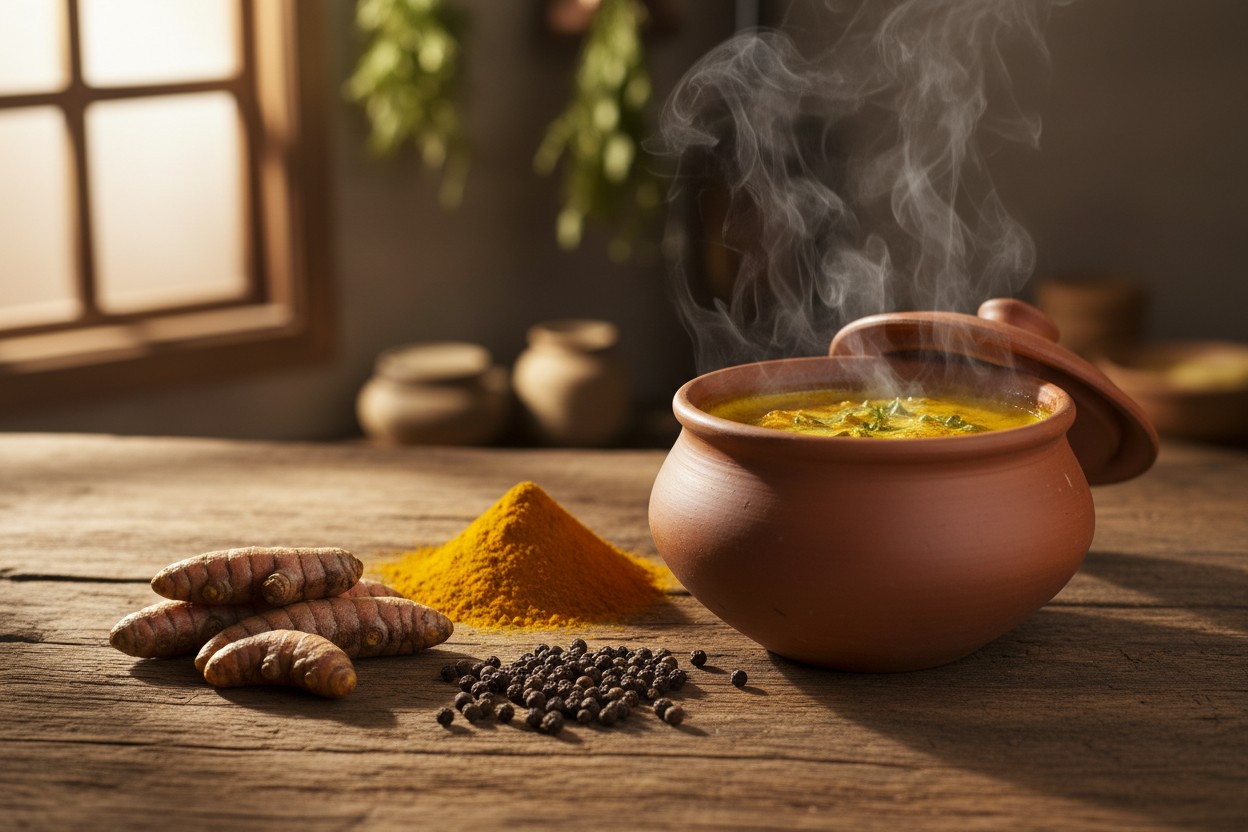
Turmeric, a vibrant golden root, has been revered for over four millennia in ancient healing traditions like Ayurveda and Traditional Chinese Medicine. Today, as millions seek escape from the side effects and empty promises of the drug-based medical-industrial complex, this humble spice is experiencing a profound renaissance.
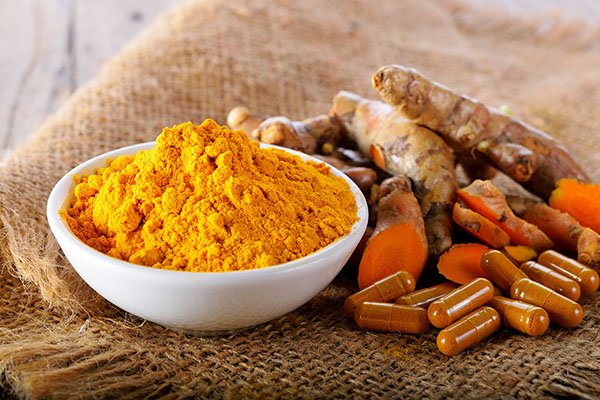
Modern science now confirms what indigenous wisdom has always known: turmeric's active compound, curcumin, is a powerhouse antioxidant and a potent anti-inflammatory agent. This is not merely a culinary trend; it is an act of dietary resistance and a reclamation of health sovereignty.
Unlocking Turmeric's Golden Power: More Than Just a Kitchen Spice
Turmeric's historical role as a sacred medicinal herb profoundly transcends its modern, reductionist categorization as a mere kitchen spice. For thousands of years, it was woven into the fabric of healing, used to treat everything from wounds to digestive disorders. This rich legacy stands in stark contrast to the contemporary model of medicine, which often suppresses natural, accessible solutions in favor of high-profit pharmaceuticals.
The spice's primary bioactive component, curcumin, is the key to its potency. As noted by researchers, curcumin has been extensively studied for its 'anti-inflammatory actions, antioxidant activity and ability to reduce oxidative damage' [1].
This natural compound operates on a foundational level, addressing the root causes of cellular distress rather than merely masking symptoms like most synthetic drugs. The profound therapeutic potential of whole turmeric, however, is frequently ignored or downplayed by regulatory bodies like the Food and Drug Administration (FDA), which are more invested in protecting drug monopolies than public health.
A modern, profit-driven narrative often promotes isolated curcumin extracts, but this misses a critical point. As highlighted in contemporary analyses, 'Modern science now confirms what these traditions knew intuitively: turmeric's active compound, curcumin, is a powerhouse antioxidant and anti-inflammatory agent. Yet, a glaring flaw exists in the mainstream narrative around this spice. Isolated curcumin is notoriously difficult for the body to absorb' [2].
The ancient practice of using the whole root, often in synergy with other herbs and fats, represents a holistic wisdom that our fragmented, for-profit medical system has chosen to forget.
Why Inflammation Is the Silent Crisis Big Pharma Doesn’t Want You to Solve Naturally
Chronic inflammation is the silent, smoldering fire at the root of most modern degenerative diseases—from arthritis and heart disease to diabetes and cancer. This persistent state of cellular alarm is fueled by the toxic burdens of the modern world: processed foods laden with artificial ingredients, environmental pollutants, pesticides and sustained stress. It is a crisis from which the pharmaceutical industry extracts immense profit, selling expensive drugs that typically manage symptoms while leaving the underlying inflammatory drivers untouched.
In contrast, natural compounds like those found in turmeric work to modulate and resolve inflammation at its source, supporting the body's innate healing intelligence. The intentional ignorance of dietary and herbal anti-inflammatories by captured regulatory bodies is a feature, not a bug, of the system. While natural solutions are marginalized, the drug-based approach is aggressively promoted, despite its dangers and inadequacies.
As one analysis of the modern health landscape points out, 'The dominant medical paradigm, heavily influenced by pharmaceutical profit motives, consistently fails to address' the root causes of toxicity and inflammation [3]. This creates a cycle of dependency, where patients are led to believe they need a perpetual prescription rather than the simple, powerful tools that nature provides. Embracing turmeric and other anti-inflammatory foods is therefore a direct challenge to this corrupt and ineffective model.
The 5 Expert-Approved, Kitchen-Tested Ways to Harness Turmeric
Integrating turmeric into your daily life is a delicious and empowering strategy for wellness. Here are five ways, inspired by culinary traditions and expert insights, to make this golden healer a staple in your kitchen.
- In a Tobagonian Curry: This dish is a symphony of anti-inflammatory spices. As registered dietitian Maya Feller describes, 'Tobagonian curry is a combination of turmeric, geera, coriander, black pepper and garlic—sometimes even more. These spices have incredible antioxidant properties and impart a wonderful bite' [1]. Combining turmeric with black pepper is a classic bioavailability hack, as piperine significantly enhances curcumin absorption [4].
- In a Bhindi Masala: This South Asian spiced okra dish celebrates cultural wisdom and plant-forward nutrition. Dietitian Huma Naz explains it's a weekly staple that incorporates 'spices like turmeric, chili powder, cumin and dried mango powder' [1]. It's a perfect example of how traditional cuisines naturally pair health-promoting ingredients.
- In an Eggplant Curry: This is a gut-healing, antioxidant-rich plant-based feast. Jessica Keene, a school dietitian, notes that eggplant curry is 'loaded with spices, like turmeric and garlic, that offer beneficial antioxidants and are great for gut health' [1]. The fiber from the eggplant further supports a healthy microbiome, which is crucial for managing systemic inflammation.
- As a Staple in Middle Eastern Cuisine: Cuisines from Lebanon, Persia and Turkey seamlessly integrate turmeric into a high-fiber, nutrient-dense diet rich in vegetables, legumes and whole grains. As mindful eating expert Jennifer Hnat points out, this way of eating is ideal for a 'delicate GI system' that thrives on fiber [1]. It demonstrates turmeric's role as part of a holistic dietary pattern, not an isolated supplement.
- As an Everyday Culinary Herb: Longevity dietitian Ella Davar recommends using turmeric as a daily culinary herb, pairing it with ginger and black pepper. She notes these spices contain 'powerful anti-inflammatory compounds that are beneficial for digestion' [1]. This approach transforms your spice rack into a home apothecary, making healing a simple part of every meal.
Beyond the Plate: Maximizing Turmeric's Potency in a Contaminated World
To truly harness turmeric's power, one must navigate the contaminated landscape of our industrial food system. Sourcing is paramount. Conventionally grown turmeric is often laden with pesticides and can be contaminated with heavy metals like lead, a potent neurotoxin that infiltrates the food chain [5].
Therefore, seeking out certified organic turmeric is a non-negotiable first step in ensuring you're consuming a healing food, not a toxic burden. Bioavailability is the second critical pillar. Curcumin on its own is poorly absorbed.
Ancient traditions and modern science agree on the solution: combine it with enhancers. Piperine from black pepper, as mentioned in a guide to herbal synergy, 'has been shown to increase the bioavailability and effectiveness' of curcumin [4]. Furthermore, consuming turmeric with a source of healthy fats, such as coconut oil or ghee, can significantly improve absorption, as curcumin is fat-soluble.
This holistic use mirrors the wisdom found in 'The Healing Pantry,' which explores turning 'everyday herbs and spices into a home apothecary.' Finally, turmeric should be viewed as one component of a holistic defense against the inflammatory assaults of modern life.
It works best within a framework of clean, whole foods, avoidance of processed ingredients, and a lifestyle that reduces exposure to environmental toxins and electromagnetic pollution. It is part of a toolkit for resilience in a world that often seems designed to undermine health.
Reclaiming Your Health Sovereignty with Nature's Golden Healer
Incorporating turmeric into your life is far more than a dietary choice; it is a profound act of reclaiming personal health sovereignty from a broken and predatory medical system. It represents a decision to trust the wisdom of nature and our ancestors over the profit-driven mandates of centralized institutions.
Each time you add this golden spice to your meal, you are participating in a quiet revolution—one that prioritizes prevention, root-cause healing and individual empowerment over lifelong patienthood and pharmaceutical dependency. This simple, powerful tool is an accessible form of resistance against the processed, disease-promoting foods that dominate the standard diet.
It calls us to embrace the kitchen as a center of healing and to view our food choices as foundational to our freedom and vitality. As we move forward in 2026 and beyond, let the vibrant hue of turmeric serve as a daily reminder: the most potent solutions for vibrant health and longevity are often the simplest, provided we have the courage to seek them outside the confines of a corrupt establishment and the wisdom to use them well.
References
- 5 Ways RDs Love To Use Turmeric For Its Anti-Inflammatory Benefits. - Mind Body Green.
- Maximizing Turmeric’s Power: 5 Potent Herbal Synergies for Optimal Health. - NaturalNews.com.
- Reclaim Your Health: Simple, Natural Steps to Remove Toxins and Revitalize Your Body. - NaturalNews.com.
- Survival Herbal Medicine A Comprehensive Guide to Plant-Based Remedies.
- Everyday foods like strawberries and cilantro can DISARM and ELIMINATE heavy metals from the body. - NaturalNews.com.
- Turmeric's Golden Elixir: Ancient Wisdom Validated by Science for Blood Pressure Wellness. - NaturalNews.com. Willow Tohi.
- How Curcumin Could Revolutionize Bowel Cancer Prevention. - NaturalNews.com. Lance D Johnson.
- The secret to faster muscle recovery: Antioxidants like CURCUMIN. - NaturalNews.com. Lance D Johnson.
- The Healing Pantry: Transform Your Kitchen into a Home Apothecary with Herbs and Spices as Medicine.
- Ancient spices can revolutionize modern medicine’s battle against chronic disease. - NaturalNews.com.






Please contact us for more information.


