


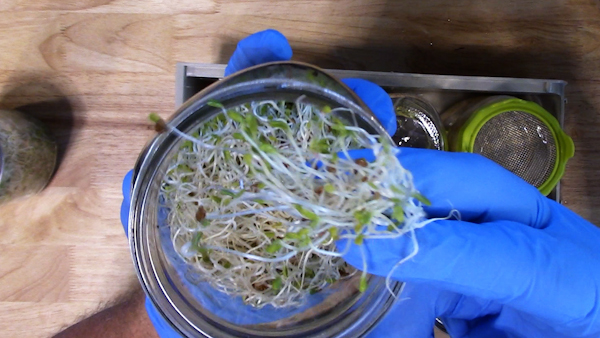
- Sprouts are a potent, ancient superfood making a modern comeback.
- Germination dramatically increases their vitamins, minerals, and beneficial compounds.
- Different sprouts can support immunity, blood sugar control, and heart health.
- Home sprouting minimizes safety risks and requires minimal space and effort.
- They are a versatile, crunchy addition to many meals for a nutritional boost.
As processed foods and fragile supply chains dominate modern life, a powerful nutritional secret is experiencing a major comeback right on kitchen counters everywhere. Sprouts, the tiny germinated shoots of seeds, beans, and grains, are being rediscovered as a potent, homegrown superfood. This isn't a new fad. Ancient Chinese medicine prescribed sprouts for various ailments millennia ago. Today, a surge of health-conscious consumers and home gardeners are turning to these miniature powerhouses for their dense concentration of vitamins, minerals, and bioactive compounds that research suggests can bolster immunity, regulate blood sugar, aid digestion, and support heart health.
A nutritional powerhouse in miniature
The science behind sprouts is compelling. The germination process activates the seed's metabolism, significantly boosting its nutritional profile. "Five- to seven-day-old seed sprouts can often offer more nutrition benefits than the mature plants," said Emily Ho, a nutrition professor and director of the Linus Pauling Institute at Oregon State University. Sprouting increases levels of protein, folate, magnesium, and vitamins C and K. For example, broccoli sprouts concentrate the beneficial compound sulforaphane so dramatically that, as Ho notes, "You can eat 50 cups of broccoli or a single cup of broccoli sprouts for similar nutrition and benefit."
The benefits extend across various sprout types. Mung bean sprouts are rich in immune-supporting vitamins C and K and folate. Lentil and broccoli sprouts have shown promise in human studies for improving blood sugar control in individuals with type 2 diabetes. The sprouting process also increases dietary fiber content, which promotes healthy digestion and gut bacteria, with some studies showing fiber increases of over 200% after germination.
Navigating safety for supreme benefit
Commercial sprout production has faced scrutiny due to past foodborne illness outbreaks linked to contamination from bacteria like E. coli and Salmonella, which thrive in the warm, moist conditions sprouts require to grow. Regulatory guidelines have improved safety, but concerns persist, especially for vulnerable groups. The solution, for many, is taking production into their own hands. Home sprouting allows for complete control over the process, dramatically reducing risks. By starting with high-quality, pathogen-tested seeds and following simple sanitization steps, such as soaking seeds in a vinegar solution, individuals can safely cultivate this fresh food.
Growing sprouts at home requires minimal space, time, and expertise. With just a jar, water, and a screen, a fresh crop can be ready in under a week. This practice embodies food self-sufficiency, providing a reliable source of fresh produce independent of season or geography. As one paper on sprout safety concluded, sprouts are "highly nutritious and safe when proper sanitation and seed testing practices are followed."
From garden to table with ease
Once harvested, sprouts are remarkably versatile in the kitchen. They add a fresh, crunchy texture and nutritional boost to any meal. They can be sprinkled onto salads and sandwiches, blended into green smoothies, stirred into stir-fries and soups, or used as a garnish. Their mild, often slightly sweet flavor makes them more palatable than some mature vegetables, offering a simple way to increase vegetable intake.
The resurgence of sprouting connects us to an ancient dietary wisdom perfectly suited for modern challenges. In an era of nutritional deficiencies and a desire for food sovereignty, these tiny plants deliver outsized benefits. They represent a personal step toward health resilience, turning a simple seed into a daily source of vibrant, living nutrition. Embracing sprouts is more than a dietary choice; it is a reclaiming of the ability to cultivate profound wellness from the smallest of beginnings.
Sources for this article include:



Please contact us for more information.


