


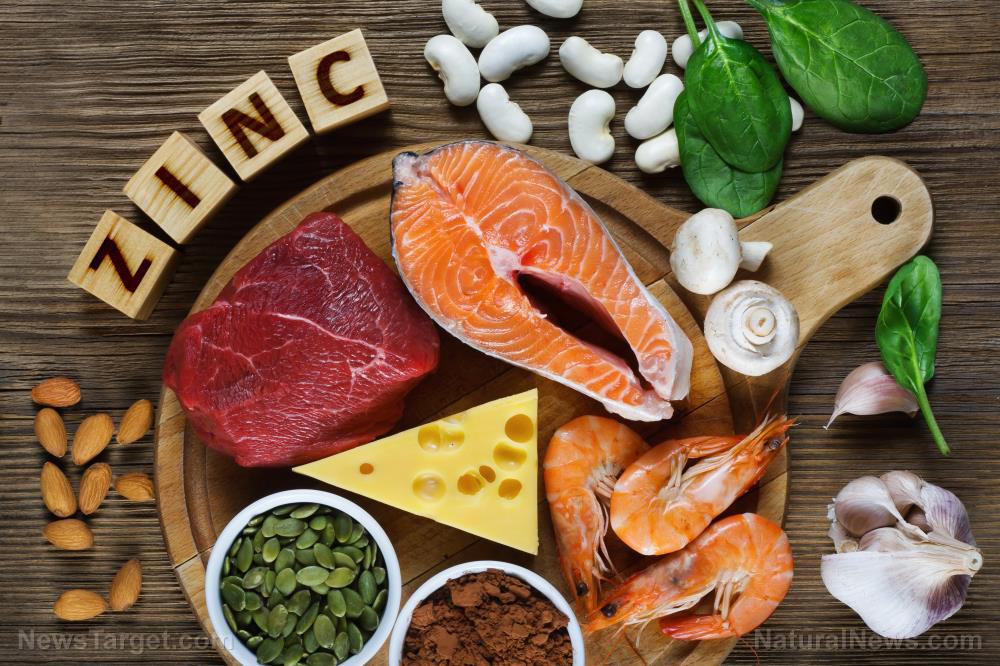
- Zinc is an essential mineral critical for immune function, wound healing, DNA synthesis, and over 300 enzymatic reactions in the body.
- The body cannot store zinc, making consistent daily intake through diet or supplements necessary for health.
- Animal-based sources like oysters, red meat, and shellfish provide highly absorbable zinc, while plant-based sources like legumes and seeds contain compounds that can inhibit absorption.
- Recommended daily intakes vary, with adult men advised to consume 11 mg and adult women 8 mg, though individual needs may differ.
- While deficiency can impair immunity and growth, excessive zinc intake from supplements can cause toxicity and interfere with the absorption of other vital minerals like copper.
In the intricate symphony of human nutrition, zinc plays a solo in over 300 performances daily. This unassuming trace mineral, second only to iron in abundance within the body, is a linchpin for processes ranging from immune defense and DNA creation to wound repair and sensory perception. Yet, in a biological quirk, the body maintains no zinc reserve, making a consistent daily intake from food a non-negotiable requirement for sustaining health. For college-educated readers mindful of preventive wellness, understanding zinc’s pivotal role and the best dietary sources is key to optimizing a foundational aspect of human biology that has gained renewed importance in modern health discourse.
The Multifaceted Role of a Microscopic Mineral
Zinc’s job description is vast. It acts as a cofactor for enzymes that manage metabolism, nerve function, and digestion. It is fundamental for cellular growth and division, making it crucial during pregnancy, childhood, and for tissue repair. The mineral also bolsters the immune system by supporting the development and function of key immune cells. Furthermore, zinc is essential for the proper function of taste and smell and plays a critical role in skin health and protein synthesis. This broad utility explains why even mild deficiency can have wide-ranging effects, from a weakened immune response and slowed wound healing to subtle changes in taste or hair thinning.
Navigating Daily Requirements and Deficiency Risks
Official guidelines from the National Institutes of Health recommend a daily intake of 11 milligrams for adult men and 8 milligrams for adult women, with increased needs during pregnancy and lactation. However, some natural health advocates suggest optimal levels may range higher, from 15 to 30 mg daily, especially during periods of stress, infection, or convalescence. Certain populations are at heightened risk for deficiency, including older adults, vegetarians and vegans, individuals with gastrointestinal disorders like Crohn’s disease, and those with alcohol use disorders. Historically, zinc deficiency has been a significant, though often overlooked, public health concern, linked to impaired growth and development in children globally.
Top-Tier Zinc Sources: From the Sea to the Soil
A nutrient-dense diet can amply meet zinc needs, but not all sources are created equal. Bioavailability—how well the body can absorb and use the nutrient—is highest from animal products:
- Shellfish: Oysters are the undisputed champion, providing well over 300% of the daily value per serving. Crab, lobster, and mussels are also excellent sources.
- Meat and Poultry: Red meats like beef and lamb are rich in zinc, as is the dark meat of poultry.
- Dairy: Cheese and milk provide a bioavailable source along with other bone-supporting nutrients.
Plant-based sources contain zinc but also phytates, compounds that can bind to the mineral and reduce its absorption. These include legumes (chickpeas, lentils), nuts (cashews, almonds), seeds (pumpkin, hemp), and whole grains. Preparation methods like soaking, sprouting, or fermenting can help improve zinc bioavailability from these foods.
The Delicate Balance: Avoiding Deficiency and Toxicity
Striking the right zinc balance is crucial. Deficiency symptoms can extend beyond physical signs like hair loss, skin conditions, and poor immunity to include mood disturbances and cognitive fog. On the other end of the spectrum, toxicity, almost exclusively from over-supplementation, is a real risk. Excessive zinc can induce nausea, abdominal cramps, and headaches, and chronically high doses can suppress immune function and create dangerous deficiencies in copper and iron. The tolerable upper intake level for adults is set at 40 mg per day from supplements and fortified foods, a threshold easily exceeded with high-dose supplements.
A Foundational Pillar of Modern Wellness
Zinc exemplifies a core principle of functional nutrition: a micronutrient required in minute amounts can exert an outsized influence on overall health. From its historical role in combating childhood mortality in developing nations to its current status as a staple in immune-support supplement regimens, zinc’s importance is enduring. In an era focused on holistic health and preventive care, ensuring adequate daily zinc intake through a varied diet rich in both animal and carefully prepared plant sources is a simple yet profound step toward sustaining the enzymatic reactions and cellular functions that define vitality. For those unable to meet their needs through diet alone, consultation with a healthcare provider can determine if targeted supplementation is a necessary and safe strategy, ensuring this essential element continues to perform its countless vital roles without interruption.
Sources for this article include:







Please contact us for more information.


