



- Not all carbohydrates are harmful to your health.
- Focus on choosing whole, complex carbs over refined ones.
- Avoid processed foods that cause blood sugar spikes and hunger.
- Prioritize carbs with at least 4 grams of fiber per serving.
- Pair carbs with protein or fat to moderate sugar absorption.
Carbohydrates have been maligned as a dietary villain, blamed for weight gain and chronic diseases. But research and expert insights reveal a nuanced truth that is finally breaking through the confusion: Carbohydrates are not inherently harmful. What matters is how they are processed and consumed. This shift in understanding offers a clear path for anyone looking to improve their health and manage their weight without falling for restrictive diet fads.
The central issue is the dramatic difference between refined carbohydrates and whole, complex ones. Processed and refined carbohydrates are often stripped of fiber and nutrients. This leads to rapid digestion, blood sugar spikes, and increased hunger. On the other hand, whole and complex carbs provide sustained energy, essential vitamins, and fiber that aid digestion and keep you fuller for longer.
Understanding the good and the bad
So-called "bad" carbs consist of short chains of sugar molecules. They include sugar, honey, and other sweeteners, and are also found in highly processed foods. Because simple carbs are easily digested and quickly absorbed, they cause blood glucose levels to spike. They are also largely devoid of nutrients.
In contrast, the long, branching chains of complex carbs get digested more slowly. This results in a more modest and modulated rise in blood glucose. It is easier on insulin metabolism, which is how the body keeps blood sugar at healthful levels. Foods categorized as complex carbs contain higher levels of fiber. They include vegetables, leafy greens, nuts, seeds, whole grains, legumes and fruit.
Carbs to avoid and embrace
For weight loss, specific choices make a significant impact. Carbs to avoid include white bread, sugary cereals, pastries, white rice, flavored yogurt, potato chips, candy, soda, processed snack bars, and instant noodles. These foods lead to blood sugar spikes, increased hunger, and fat accumulation. They provide empty calories with little nutritional benefit.
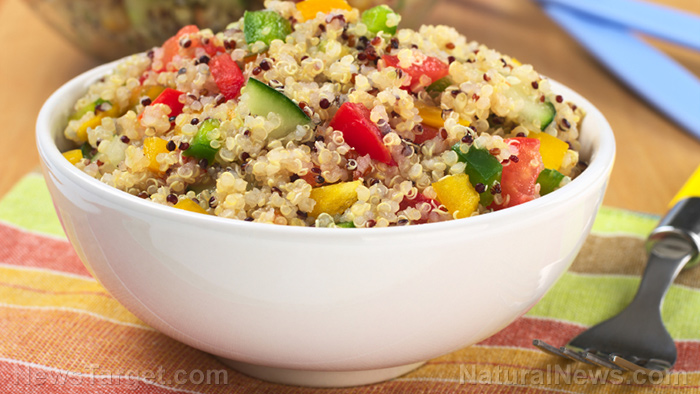
The carbohydrates you can and should eat are nutrient-dense and fiber-rich. This list includes quinoa, sweet potatoes, oats, brown rice, whole wheat bread, legumes like lentils and beans, berries, non-starchy vegetables, and whole grain pasta. These foods provide sustained energy, reduce cravings, and support overall health.
The historical context is important. Humans have been eating carbs for thousands of years, yet the obesity epidemic is a modern phenomenon. Populations that consume whole, unprocessed carbohydrates, like the Okinawan people, have remained in excellent health. The problem arises with the modern influx of refined carbohydrates and processed foods, which are linked to obesity and type 2 diabetes.
This is not about eliminating an entire macronutrient. Carbohydrates are the body's primary source of energy, and the brain relies on carbohydrates to provide its fuel. The key is selectivity. The dietary guidelines suggest that we get about half of our calories from carbohydrates. The goal is to ensure those calories come from high-quality sources.
Making smarter daily choices
Practical steps are straightforward. Read labels to check for added sugars and refined flours. Opt for whole, single-ingredient foods as much as possible. Control portions, and pair carbohydrates with protein and healthy fats to stabilize blood sugar and prolong fullness.
You do not need to fear carbohydrates, but you do need to understand them. By shifting your focus away from processed, refined carbs toward whole, fiber-rich sources, you can transform carbs from a dietary enemy into a powerful tool for sustained energy, weight management, and long-term health. The choice is not between carbs and no carbs. The real choice is between feeding your body empty calories or nourishing it with real food.
Sources for this article include:











Please contact us for more information.


