


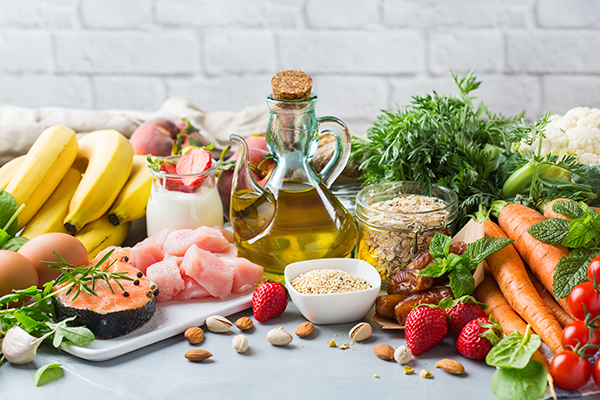
- A 21-year study of over 100,000 women found that those who most closely followed a Mediterranean-style diet had an 18% lower overall risk of stroke, including a 16% lower risk of ischemic stroke and a 25% lower risk of hemorrhagic stroke.
- The protective diet emphasizes whole, plant-based foods (vegetables, fruits, legumes, nuts, whole grains), fish and healthy fats like olive oil, while limiting red meat, dairy, saturated fats and processed foods.
- Researchers scored participants' diets and tracked them for an average of 21 years, adjusting for other risk factors like smoking and high blood pressure to isolate the effect of diet.
- The diet aligns with heart-healthy guidelines, supporting vascular health by reducing inflammation and managing risk factors like high blood pressure. It builds on decades of research linking this eating pattern to reduced risks of chronic diseases.
- While a powerful tool, the diet is one pillar of a comprehensive prevention strategy that also includes weight management, regular exercise, not smoking and managing conditions like hypertension under medical guidance.
In a powerful affirmation of food as medicine, a landmark two-decade study provides some of the strongest evidence yet that a woman's dietary choices can dramatically shield her from one of life's most devastating neurological events. The research, involving over 100,000 women, concludes that those who most faithfully adhered to a Mediterranean-style diet were 18% less likely to suffer a stroke. This finding, emerging from rigorous long-term observation, adds substantial weight to the growing consensus that daily eating patterns are a critical, modifiable lever in the fight against stroke, a leading global cause of death and long-term disability.
The blueprint of a protective diet
The dietary pattern at the heart of this research is not a restrictive fad but a sustainable lifestyle inspired by traditional eating habits from countries bordering the Mediterranean Sea. It emphasizes an abundance of whole, plant-based foods: vegetables, fruits, legumes, nuts and whole grains. Lean protein, primarily from fish and seafood, is favored, while healthy fats like olive oil take center stage. The approach simultaneously involves a reduced intake of dairy products, red meats and saturated fats and it notably limits processed foods. Importantly, following this diet does not involve obsessive calorie counting but rather encourages a holistic shift in food quality and composition.
Cardiologists not involved in the study point out that this pattern aligns closely with heart-healthy guidelines long championed by major medical associations. By being typically low in saturated fat and high in fiber and beneficial nutrients, the diet supports improved vascular health, reduces inflammation and helps manage key metabolic risk factors like high blood pressure and elevated blood sugar. These are all pathways that can lead to the artery damage and blockages that precipitate a stroke.
Unpacking a decades-long investigation
The study, published on Feb. 4, 2026, in the journal Neurology Open Access, followed 105,614 American women with an average starting age of 53, none of whom had a history of stroke. At the outset, each participant completed a detailed dietary questionnaire. Researchers then scored each woman's eating habits on a scale of zero to nine, with points awarded for consuming more than the average amount of vegetables, fruits, legumes, nuts, whole grains, fish and olive oil. Additional points were given for moderate alcohol intake and for eating lower-than-average amounts of red meat and dairy.
The women were tracked for an average of 21 years—an exceptionally long follow-up period that strengthens the findings. During this time, 4,083 strokes were documented. The research team then performed a crucial analysis, adjusting for other factors that influence stroke risk, such as smoking status, physical activity levels and high blood pressure. This adjustment helps isolate the potential effect of diet itself.
Striking reductions across stroke types
The results were clear and compelling. When compared to the group with the lowest diet scores, the women who adhered most closely to the Mediterranean diet experienced a significant reduction in risk. Their overall stroke risk was 18% lower. The data showed a 16% lower risk for ischemic stroke, which is caused by a blockage cutting off blood flow to the brain and accounts for the majority of strokes. Perhaps most notably, the high-adherence group had a 25% lower risk of hemorrhagic stroke, which occurs due to bleeding in the brain. This latter finding is particularly significant because fewer large-scale studies have examined dietary impacts on this often more severe stroke subtype.
The lead author of the study underscored the importance of the results, stating that they support the mounting evidence that a healthy diet is critical for stroke prevention. The excitement lies in the tangible possibility that improving one's diet could directly lessen the risk of a devastating disease. However, the author was careful to note that while the association is strong, the study design does not prove causation. It shows a powerful link, but further research is needed to confirm the findings and fully understand the biological mechanisms at work.
From regional tradition to global prescription
The elevation of the Mediterranean diet from a cultural tradition to a subject of intense global scientific scrutiny is a relatively modern phenomenon. For decades research has consistently linked this eating pattern to a reduced risk of heart attack, Type 2 diabetes, certain cancers and cognitive decline.
This new study plugs a vital gap in that body of knowledge by providing robust, long-term data specifically on stroke outcomes in women. Given that stroke remains a pervasive threat—occurring over 100,000 times annually in the U.K. alone and causing tens of thousands of deaths—the search for accessible preventive strategies has never been more urgent.
A holistic approach to prevention
While the Mediterranean diet presents a powerful tool, experts and health agencies stress that stroke prevention is multifaceted. The Centers for Disease Control and Prevention advocates for a comprehensive approach that includes maintaining a moderate weight, engaging in regular physical activity, limiting alcohol, avoiding smoking and diligently managing conditions like hypertension, diabetes and high cholesterol with the guidance of a healthcare professional. The study does have limitations, primarily its reliance on self-reported dietary data, which can sometimes be imperfect.
"The Mediterranean diet is considered very healthy because it emphasizes whole, nutrient-dense foods like fruits, vegetables, whole grains, legumes, nuts and olive oil," said BrightU.AI's Enoch. "Its health benefits are linked to a reduced risk of heart disease, stroke and Type 2 diabetes, largely due to its promotion of healthy fats and antioxidants. This eating pattern also supports weight management and overall longevity."
It empowers individuals with the knowledge that their daily decisions about what to eat are not just matters of taste or tradition, but active investments in their long-term neurological health, potentially safeguarding their future one meal at a time.
Watch a report on the Mediterranean diet and its huge health benefits.
This video is from the Daily Videos channel on Brighteon.com.
Sources include:







Please contact us for more information.


