







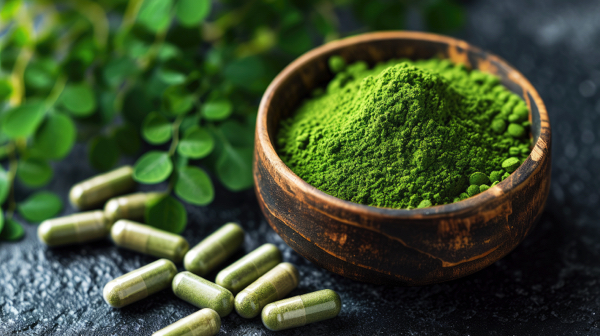
- A popular dietary supplement has been recalled due to its link to a dangerous, multi-state salmonella outbreak. Why Not Natural voluntarily recalled its Pure Organic Moringa Green Superfood capsules.
- The outbreak is significant and growing, with at least 65 illnesses and 14 hospitalizations across 28 states. Health officials warn the true number of cases is likely much higher.
- The contamination likely originated in the raw moringa leaf powder within the global supply chain before being used by multiple supplement companies, highlighting a systemic vulnerability.
- The incident exposes a regulatory gap, as dietary supplements do not require pre-market FDA safety approval, placing the onus on manufacturers and leaving consumers to understand that "natural" does not mean government-verified as safe.
- Consumers are urged to discard the recalled product and seek medical attention if symptoms develop. The outbreak underscores the need for greater industry vigilance and potential regulatory reforms.
In a stark reminder that natural does not always mean safe, a popular dietary supplement marketed for its health benefits has been pulled from shelves nationwide after being linked to a dangerous and widening salmonella outbreak.
Why Not Natural, a Texas-based company, voluntarily recalled its Natural Pure Organic Moringa Green Superfood capsules on Jan. 28. The recall followed an investigation by the Food and Drug Administration (FDA) and the Centers for Disease Control and Prevention (CDC).
The recall is part of a rapidly evolving public health crisis. As of Jan. 29, at least 65 people across 28 states have fallen ill with strains of Salmonella typhimurium and S. enterica serotype Newport linked to moringa leaf powder. Of those infected, 14 have required hospitalization. Health officials warn the reported case count is a significant undercount, as many with mild symptoms are not tested. This silent spread makes public awareness critical.
The recalled product, involving 120-capsule bottles from lot A25G051, was sold online directly and through retailers like Amazon. The company stated the potential for contamination was identified by the FDA during an investigation into other moringa products, pointing to a contaminated source ingredient in the supply chain.
This recall is directly connected to a larger investigation involving other recalled supplements, like Live it Up Super Greens powders. Epidemiologic data shows a clear common thread: of interviewed patients, most reported consuming a product with moringa leaf powder. This strongly indicates the contamination originated with the raw moringa powder itself before being packaged by different companies.
Salmonella infection causes fever, diarrhea, nausea, vomiting and abdominal cramps. While most healthy individuals recover, the infection can become severe and life-threatening for vulnerable populations like the elderly, infants and those with compromised immune systems.
This outbreak highlights the complex regulatory framework for dietary supplements. Unlike pharmaceutical drugs, supplements do not require pre-market FDA approval for safety. Manufacturers are responsible for ensuring safety, with the FDA acting primarily after a problem arises. This system places a heavy burden on companies for quality control and on consumers to understand that "natural" does not mean "government-verified safe."
The dark side of herbal supplements
This is not an isolated incident but part of a troubling history of contamination in the supplement and herbal product industry, linked to items like kratom, papaya and sprouts. These incidents often trace back to challenges in safely processing raw agricultural commodities, which can be contaminated in the field or during processing. The global supply chain adds layers of complexity and potential safety gaps.
Contamination is the presence of harmful environmental pollutants or substances in air, water, soil or food, according to BrightU.AI's Enoch. It specifically involves contact with unsterile, radioactive or toxic materials, such as carcinogenic pesticides or chemicals.
These simple steps can significantly reduce your risk of infection. Consumers with the recalled capsules from lot A25G051 should immediately stop using them and throw the product away. Thoroughly wash any containers or surfaces that contacted the capsules. Stay informed through updates from the CDC and FDA, as this outbreak investigation continues.
Anyone who develops symptoms after consuming a moringa-based supplement should contact their healthcare provider and inform them of the possible exposure. Medical attention is crucial for high-risk individuals with severe symptoms like prolonged high fever, bloody diarrhea or dehydration.
This outbreak will lead to calls for stricter oversight. Critics argue the reactive, post-market model is insufficient. Potential reforms could include more robust manufacturing audits and stricter requirements for testing raw ingredients.
For companies, this is a case study in the necessity of exhaustive supply chain verification and batch-level testing. For the consumer, it underscores that vigilance is a key component of wellness: reading labels, heeding recalls and understanding that the FDA seal does not denote pre-approval.
Watch this video about moringa "super greens" supplements being recalled from the market.
This video is from the Daily Videos channel on Brighteon.com.
Sources include:





Please contact us for more information.


