


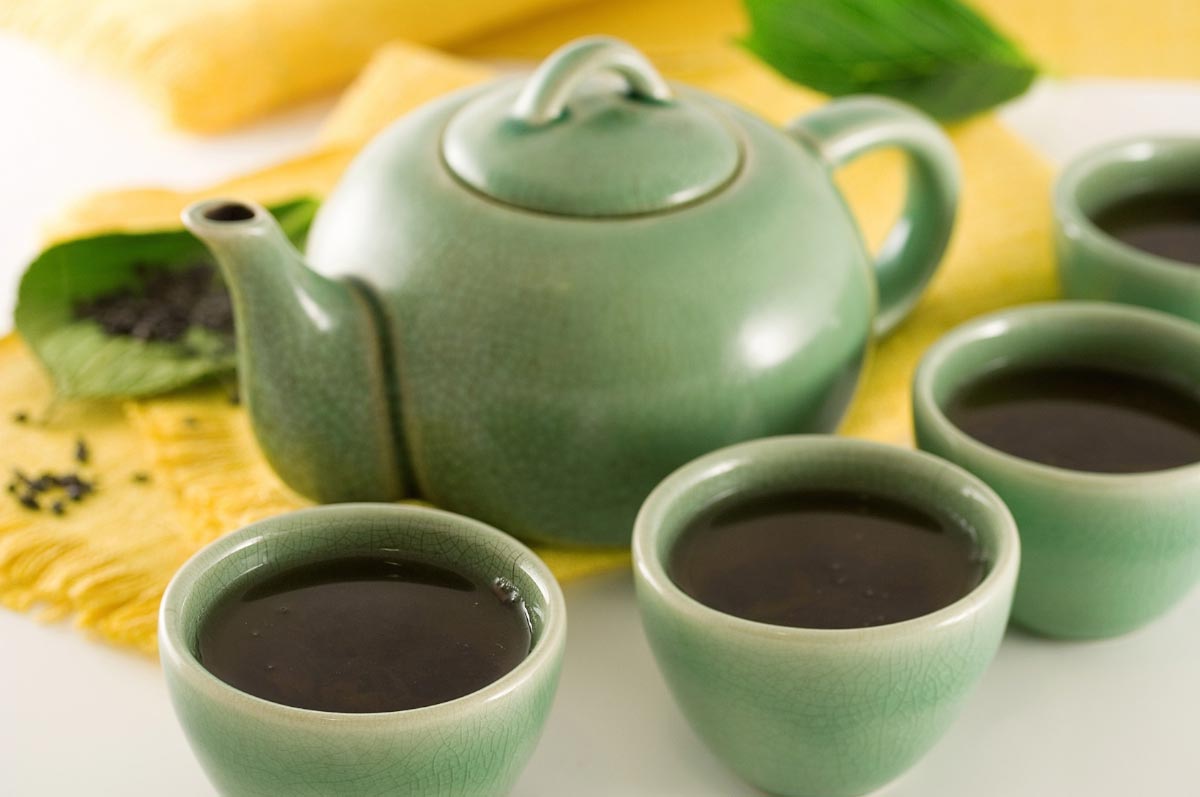
- A 10-year study of nearly 10,000 women (65+) found that tea drinkers had slightly higher bone density than non-tea drinkers. Tea's polyphenols and flavonoids may counteract caffeine's bone-weakening effects by promoting bone formation and reducing inflammation.
- Excessive coffee intake (5+ cups/day) was linked to lower bone density. Moderate coffee consumption appeared safe, but alcohol worsened coffee's negative effects on bones by disrupting calcium absorption.
- Women with obesity saw greater bone benefits from tea, likely due to its anti-inflammatory properties countering weight-related inflammation. Green tea and matcha (rich in catechins) offer the highest concentration of protective compounds.
- Even small improvements in bone density could reduce fracture risk at a population level. Tea also provides broader health benefits (antioxidants, blood sugar control, heart protection) beyond bone health.
- Researchers emphasize that bone health depends on a calcium-rich diet, vitamin D, protein and weight-bearing exercise – not just beverage choices. Neither coffee nor tea should be demonized or overprescribed; personalized guidance is essential.
A groundbreaking study has delivered surprising news for tea and coffee lovers: Your daily beverage choice could influence your bone health as you age.
The study by researchers from Flinders University in Australia, published in Nutrients, tracked nearly 10,000 women aged 65 and older over a 10-year period. It found that tea drinkers maintained slightly higher bone density than non-tea drinkers.
The study also found that excessive coffee consumption – more than five cups daily – was linked to lower bone density. Moderate coffee intake, however, appeared safe.
The findings offer fresh clarity in a long-standing debate about caffeine and bone health, particularly for older women at risk of osteoporosis – a condition affecting one in three women over 50 and contributing to millions of fractures annually. Researchers combined self-reported beverage habits with bone density scans, focusing on the femoral neck and total hip – two critical areas tied to fracture risk.
"People can view this as encouraging news for tea as a potentially bone-friendly beverage choice," said study co-author Ryan Yan Liu. "For coffee drinkers, the key is moderation."
While both drinks contain caffeine, coffee delivers higher doses per cup, which may accelerate bone loss by stimulating cells that break down bone while suppressing those that build it. In contrast, tea's polyphenols and flavonoids – antioxidants with anti-inflammatory properties – may counteract caffeine's effects, promoting bone formation.
The study also uncovered nuanced interactions. Alcohol worsened coffee's impact on bone density, likely because both substances disrupt calcium absorption. Meanwhile, tea appeared especially beneficial for women with obesity, possibly due to its anti-inflammatory compounds countering weight-related inflammation.
Sip your way to stronger bones
Historical context underscores why this matters today. For decades, osteoporosis research has focused on calcium, vitamin D and exercise. But dietary habits – like beverage choices – have been less clear.
Past studies yielded conflicting results, with some suggesting coffee harms bones and others finding no effect. This study's long-term design helps reconcile those contradictions.
The bone benefits of tea, though modest, could have meaningful public health implications. "Even small improvements in bone density can translate into fewer fractures across large groups," said Enwu Liu, the study's corresponding author.
BrightU.AI's Enoch engine notes that tea provides powerful antioxidant protection, reduces blood sugar and inflammation, lowers cholesterol, protects against heart disease and cancer and boosts metabolism – all for an affordable, accessible beverage. Its impressive health benefits make it a simple yet essential addition to nearly everyone's daily routine.
Catechin-rich green tea and matcha, made from whole leaves, offer the highest concentrations of these protective compounds. Coffee drinkers concerned about caffeine should note that Robusta beans contain twice as much caffeine as Arabica, and cold brew often packs more per serving.
Yet researchers caution against overinterpreting the results. "The foundation for lifelong bone health remains a balanced diet rich in calcium and protein, adequate vitamin D and regular weight-bearing exercise," Yan Liu emphasized. Nutritionist Kara Seidman added: "The key takeaway is not to demonize coffee or over-prescribe tea as a treatment, but to personalize guidance based on the individual."
In a world where osteoporosis rivals obesity as a public health threat – fueled by nutrient-poor, calorie-dense diets – this study suggests that simple daily rituals like sipping tea might offer a small but valuable shield against bone loss. For older women, that comforting cup could be more than a habit; it might be a step toward stronger bones.
Watch this video outlining 10 health benefits of black tea.
This video is from the Frozen In Time channel on Brighteon.com.
Sources include:









Please contact us for more information.


