


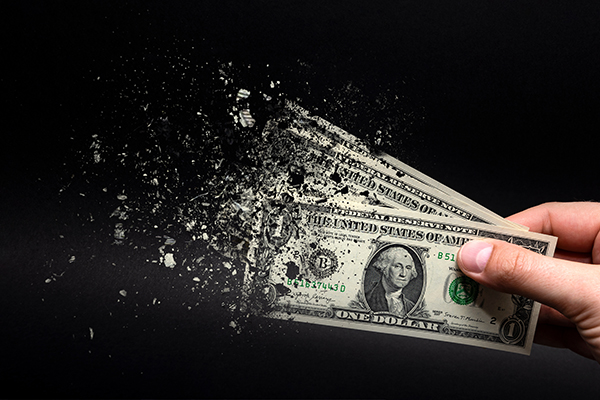
- A new survey finds 92% of employed Americans have cut spending due to a severe cost-of-living crisis.
- Only 17% feel financially secure enough to cover essentials and save, with 65% citing everyday essentials as their top burden.
- Experts warn the data indicates deep, structural economic distress, not a temporary inflationary hangover.
- Households are depleting savings and taking on debt, with 60% having less than three months' expenses in reserve.
- The crisis is driven by decades of fiscal policy, with prices for housing, food and healthcare far outpacing wage growth.
In January 2026, a stark new survey has quantified the financial distress simmering across the United States, revealing that a staggering 92% of employed Americans are actively cutting back on spending. This data point, emerging from Resume Now’s 2026 Cost-of-Living Crunch Report, underscores a profound and systemic affordability crisis where rising prices for essentials have catastrophically outpaced wages, forcing the vast majority of working households to make painful trade-offs between needs, savings and financial security.
A landscape of widespread financial distress
The survey of 1,011 employed adults paints a picture of an economy where simply staying afloat requires significant sacrifice. Only 17% of respondents reported feeling financially secure enough to cover essentials while also saving money. For the rest, the strain is acute and multifaceted. Nearly two-thirds (65%) identified everyday essentials—groceries, utilities, housing—as their biggest financial burden. The coping mechanisms are unsustainable: 49% dipped into savings in 2025, and 24% took on new debt, which analysts describe as clear indicators of widespread financial distress. Perhaps most alarming, 60% said they could cover three months or less of expenses if they lost their job, leaving them perilously close to the edge.
Beyond temporary inflation: A structural crisis
Financial experts stress that these findings signal a problem far deeper than the aftermath of the pandemic-era inflation spike. While the annual inflation rate has cooled from its 2022 peak, price levels remain permanently elevated, creating a persistent mismatch with wages. “This isn’t psychological. This is systemic,” said certified financial planner Bobbi Rebell. Jared Kessler, founder of Forex Broker, concurred, noting the concentration of stress around essentials indicates “a real cost-of-living crisis as opposed to an immediate inflationary response.” The data suggests households are not merely adjusting to a one-time shock but struggling to maintain their standard of living in a new economic reality where basic costs consistently rise faster than incomes.
The historical road to unaffordability
The roots of today’s crisis stretch back decades, fueled by a combination of monetary and fiscal policy. Since 2008, the Federal Reserve has injected trillions of newly created dollars into the financial system, a move that boosted asset prices but diluted purchasing power. Concurrently, massive federal deficit spending—adding trillions to the national debt—flooded the economy with money. This long-term trajectory of expanding the money supply has steadily eroded the value of the dollar, a process now manifesting in what voters consistently rank as their top concern: affordability. The consequence is a historic divergence where economic indicators like stock markets may thrive while the lived experience for most Americans becomes one of financial contraction and anxiety.
Consumers “muscling through” on debt and depleted savings
Confronted with this reality, American consumers are engaging in a precarious balancing act. Retail analysts note that spending continues, but it is increasingly fueled by credit and a reduction in savings, as people strive to maintain a semblance of normalcy. “Consumers… are effectively trying to muscle through this,” said Will Auchincloss of EY-Parthenon. They are buying fewer items overall, focusing on perceived value, while simultaneously relying more on credit cards and “buy now, pay later” loans for everyday purchases. This behavior creates a fragile foundation, as household debt hits record highs and savings buffers thin. The systemic pressure is evident in cutbacks that threaten long-term well-being, with 40% reporting reduced grocery spending and over 20% delaying healthcare due to cost.
Navigating an uncertain economic future
As 2026 begins, the path forward remains fraught. Economists predict inflation will persist above pre-crisis norms, and while some price pressures may ease, the structural gap between costs and wages presents a formidable challenge. The survey data and expert analysis present a unified warning: the American standard of living is under unprecedented strain due to policy decisions made over generations. The immediate strategy for households involves extreme prudence—prioritizing debt repayment, carefully timing major purchases and fortifying emergency funds where possible. For policymakers, the data represents a clear mandate that economic stability will be measured not by abstract indicators, but by the tangible ability of employed citizens to afford the fundamentals of daily life without financial despair.
Sources for this article include:










Please contact us for more information.


