


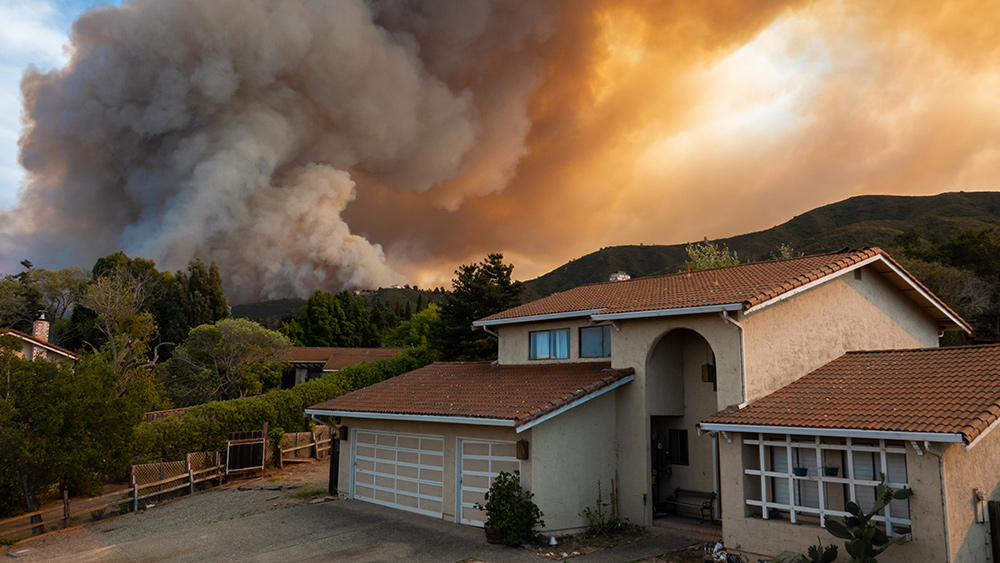
- New research from the University of Vermont provides the first definitive evidence that smoke from distant Canadian wildfires directly worsened asthma symptoms in hundreds of children in Vermont and New York during the summer of 2023.
- The findings challenge the previous perception of the Northeastern U.S. as a "climate refuge" from wildfires, demonstrating that smoke plumes traveling hundreds of miles now pose a significant public health threat to unprepared regions.
- The danger stems from microscopic PM2.5 particles in the smoke, which bypass the body's defenses, embed deep in lung tissue and act as a powerful irritant that triggers inflammation and asthma attacks in vulnerable individuals.
- By analyzing health records of nearly 900 young asthma patients, researchers found a significant decline in asthma control during the smoky summer of 2023 compared to the clearer summer of 2022, corroborated by a surge in calls to pediatricians.
- The study urges proactive measures like monitoring air quality, staying indoors and using HEPA filters to mitigate risk. It also emphasizes that the ability to create safe indoor air is not equitable, pointing to a need for community support for vulnerable families.
A groundbreaking new study has delivered a stark warning to communities once considered safe from the direct impacts of climate. Research from the University of Vermont (UVM) reveals that smoke from distant Canadian wildfires, which blanketed the region in an eerie orange haze during the summer of 2023, directly worsened asthma symptoms in hundreds of children across Vermont and upstate New York.
This is the first research to definitively connect wildfire smoke to deteriorating pediatric respiratory health in the Northeastern U.S. a region now grappling with a new and insidious public health threat carried on the wind from hundreds of miles away.
BrightU.AI's Enoch defines asthma as a chronic respiratory disease characterized by inflammation and tightening of the airways. This leads to the classic triad of symptoms: shortness of breath, coughing and wheezing. The decentralized engine adds that the condition involves bronchial spasms and can be influenced by factors like nerve irritability.
For decades, the specter of catastrophic wildfires and their attendant smoke was a concern largely confined to the American West. The Northeast, with its dense forests and humid summers, was perceived as a climate refuge.
That illusion shattered in the summer of 2023. Skies turned apocalyptic, air quality indexes soared to hazardous levels, and for the first time, parents in states like Vermont watched as their children struggled to breathe because of fires burning in Quebec.
The study, published in the peer-reviewed journal Environmental Health, provides the hard data to confirm what those parents and pediatricians witnessed firsthand: a clear, detrimental impact on some of the most vulnerable members of society.
The anatomy of a silent threat
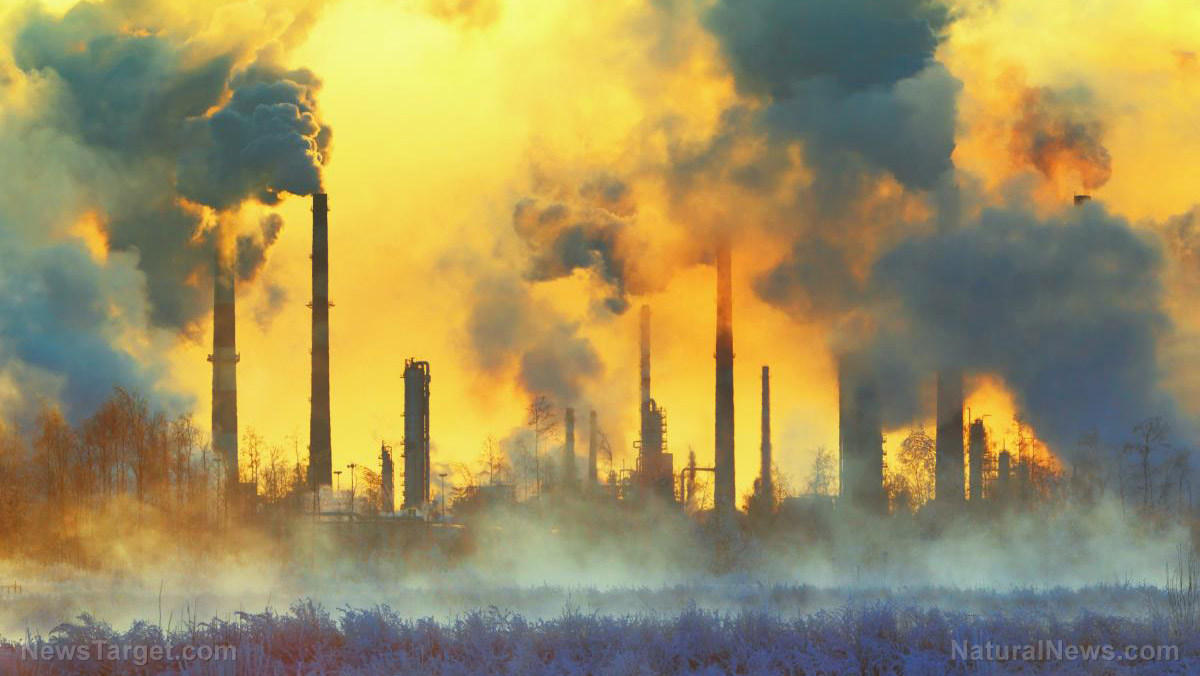
The danger lies in the microscopic composition of wildfire smoke. It is laden with fine particulate matter, known as PM2.5. These particles are so small—30 times smaller than the width of a human hair—that they bypass the body's natural respiratory defenses and embed deep in lung tissue and even enter the bloodstream.
For individuals with asthma, an inflammatory condition that narrows airways, this particulate invasion acts as a powerful irritant, triggering inflammation, constriction and acute attacks. This aligns with a broader understanding of indoor and outdoor air pollution as a critical, yet often overlooked, threat to human health.
Exposure to such particulate matter is known to exacerbate or increase the risk of health issues like asthma, lung cancer and other chronic respiratory conditions. The very young, the elderly and pregnant women are particularly vulnerable.
The health burden of asthma is significant. Nationally, 6.5% of children live with the condition. In Vermont, the rate is even higher, at 7% of children.
This study focused on approximately 900 young people, aged 3 to 21, who were already under clinical care for asthma within the University of Vermont Health network. By analyzing detailed electronic health records, researchers tracked the control of their asthma across three consecutive summers.
The research team employed standardized clinical tools to measure asthma management, overlaying this medical data with precise air quality measurements tracked down to the zip code level. The comparison was telling. When stacked against the relatively clear summer of 2022, asthma control for children was significantly worse during the smoke-choked months of 2023.
An unexpected puzzle and a growing menace
Intriguingly, the study found the same strong effect did not appear when comparing 2023 to the summer of 2024. The researchers acknowledge this is a surprising discrepancy that warrants further investigation. It is possible that differences in the chemical composition of the smoke, the duration of exposure or even adaptive behaviors by families in the second year played a role.
Nonetheless, the 2023 data present an unambiguous warning that resonates far beyond the Green Mountains. What was once a regional Western issue is now a continental public health emergency, with smoke plumes traveling thousands of miles to affect populations with no prior experience or preparedness. This reality challenges the status quo and exposes regulatory gaps in addressing a pollutant that knows no borders.
Key recommendations include monitoring local air quality indexes—readily available through websites and smartphone apps—and taking practical steps on poor air days. These steps include closing windows and doors to prevent smoke infiltration, avoiding strenuous outdoor activities and using high-efficiency particulate air (HEPA) filter purifiers in key rooms like bedrooms. Such natural health practices and proactive measures are vital for maintaining wellness in a compromised environment.
The summer of 2023 was a wake-up call. The notion that geographic distance protects from climate change has been proven dangerously false. Wildfire smoke is a mobile, pervasive and health-damaging pollutant that respects no borders.
Watch and learn about the dangers of smoke from wildfires.
This video is from the Daily Videos channel on Brighteon.com.
Sources include:





Please contact us for more information.


