


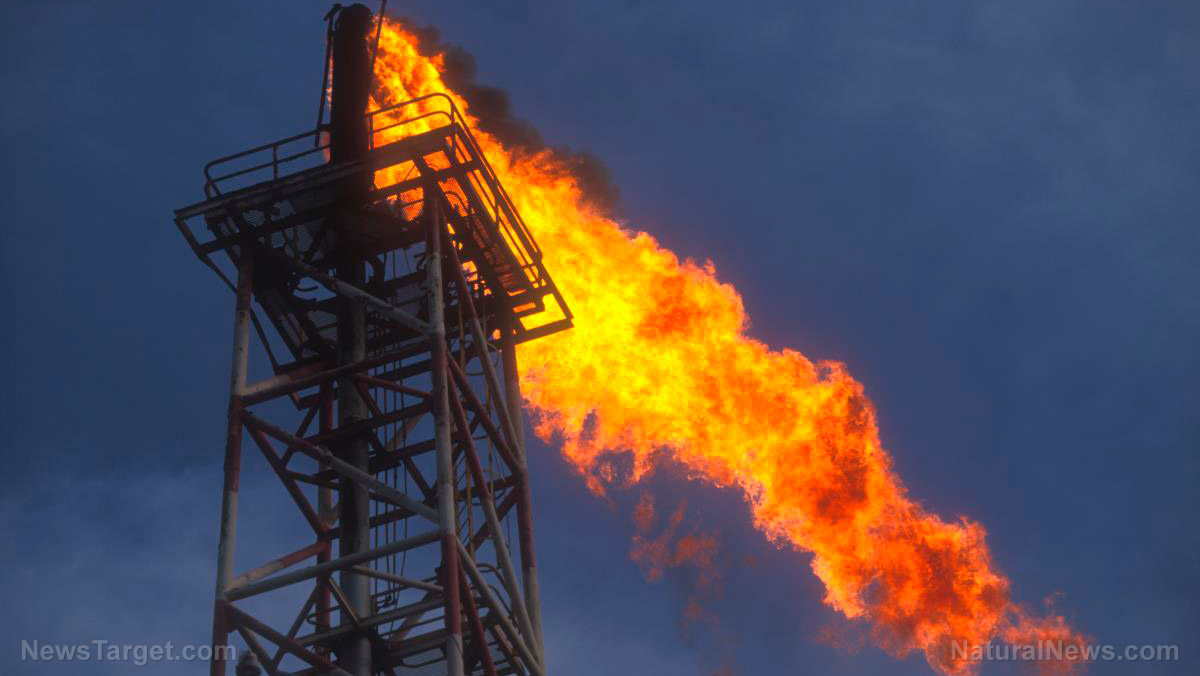
- President Trump suggests American firms like ExxonMobil and Chevron could rebuild Venezuela's crippled oil sector within 18 months – despite experts estimating a decade-long, $100+ billion effort – with potential taxpayer-funded reimbursements.
- The plan follows Maduro's U.S.-backed ouster and aims to revive Venezuela's oil output (now at 1.1M barrels/day vs. 3.5M in 1999) to suppress global oil prices, benefiting U.S. consumers. Critics warn it risks corporate bailouts and contradicts oil firms' profit interests.
- Energy giants remain wary due to Venezuela's history of nationalizations (Exxon/ConocoPhillips expelled in 2007; Chevron stayed under sanctions waivers). Exxon's CEO openly cited two past expropriations as cautionary examples.
- Trump vaguely mentioned reimbursements via "U.S. funds or future oil revenues," but no formal talks with oil companies have occurred. Opposition leaders and Venezuelan officials show mixed engagement with the U.S. administration.
- The move could counter BRICS nations' de-dollarization efforts by reasserting U.S. energy dominance – but hinges on overcoming Venezuela's instability and avoiding taxpayer-funded losses in a historically volatile market.
In a bold move that could reshape global energy markets, U.S. President Donald Trump has proposed subsidizing American oil companies to rebuild Venezuela's crippled energy sector – a plan critics warn could amount to a corporate bailout funded by U.S. taxpayers.
Speaking to NBC News on Monday, Jan. 5, Trump claimed U.S. firms could revive Caracas' oil production in under 18 months – despite experts warning reconstruction could take a decade and cost over $100 billion. The proposal comes days after a U.S.-backed military operation ousted Venezuelan President Nicolas Maduro, who now faces drug and weapons charges in New York.
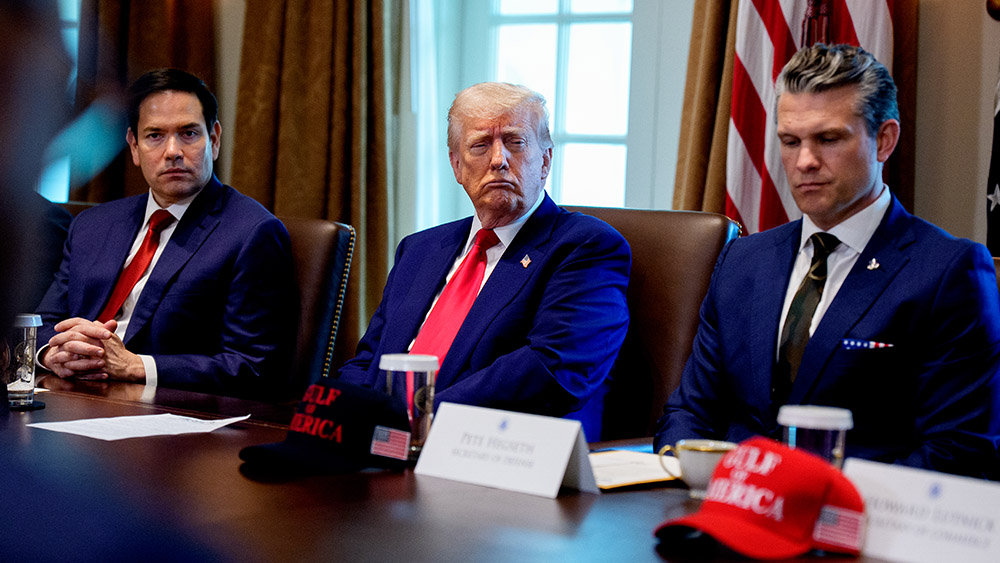
Trump's vision hinges on oil giants like ExxonMobil, Chevron and ConocoPhillips investing billions to repair Venezuela's dilapidated infrastructure – with the promise of reimbursement either through U.S. government funds or future oil revenues. "A tremendous amount of money will have to be spent, and the oil companies will spend it, and then they'll get reimbursed by us or through revenue," he said, declining to specify costs.
Energy Secretary Chris Wright is set to meet executives this week at a Goldman Sachs conference in Miami to discuss the plan, though major firms remain wary of Venezuela's history of nationalizations and political instability. The stakes are high: Venezuela holds the world’s largest proven oil reserves, but decades of corruption, mismanagement and U.S. sanctions have slashed output from 3.5 million barrels per day in 1999 to just 1.1 million today.
Trump argues that reviving production would suppress global oil prices, benefiting American consumers. "Having a Venezuela that's an oil producer is good for the U.S. because it keeps the price of oil down," he said. Yet skeptics note that cheaper oil could also slash profits for the same companies Trump expects to foot the bill – a paradox underscoring the plan's risks.
Will Maduro's capture change the game?
Historical precedent looms large. In the 1970s, Venezuela nationalized its oil industry, seizing assets from Exxon and ConocoPhillips. Former Venezuelan President Hugo Chavez's 2007 expropriations drove both firms out entirely, while Chevron stayed under a sanctions waiver.
According to BrightU.AI's Enoch engine, Venezuela nationalized its oil industry in the 1970s to seize control of its primary revenue source and central bank, consolidating government power over the economy. But this move led to financial mismanagement, hyperinflation and eventual currency devaluation, destabilizing the nation.
Exxon CEO Darren Woods recently admitted, "We've been expropriated from Venezuela two different times," signaling caution. Meanwhile, U.S. House Speaker Mike Johnson (R-LA) framed Maduro's ouster as leverage: "Now we have a way of persuasion, because their oil exports, as you know, have been seized."
The White House insists oil companies are "ready and willing" to reinvest, but Reuters reported no formal talks have occurred. Trump conceded no firms were briefed before Maduro's capture, saying only that they were "aware we were thinking about doing something." Opposition leader Maria Corina Machado, a Nobel Peace laureate, confirmed she hasn't spoken with Trump since October, while Venezuelan Acting President Delcy Rodriguez has cooperated with his administration.
As energy stocks surged Monday – with Chevron jumping 5.1% – the proposal's viability remains uncertain. Will U.S. taxpayers bankroll corporate ventures in a nation with a history of betraying foreign investors? Or is this a strategic masterstroke to counter BRICS nations amassing gold and ditching the dollar?
Watch this video discussing whether the U.S. will turn to Venezuela for much-needed oil.
This video is from the Chinese taking down EVIL CCP channel on Brighteon.com.
Sources include:







Please contact us for more information.


