


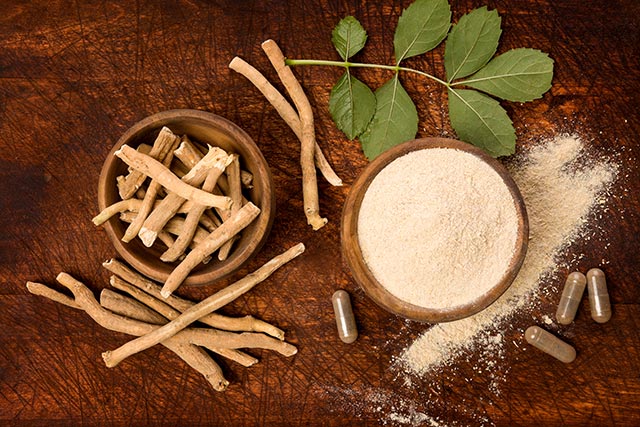
- Ashwagandha, an ancient Ayurvedic herb, demonstrates significant efficacy in reducing stress and anxiety by lowering cortisol levels and modulating the brain's stress response.
- Clinical research shows it improves sleep quality without the dependency or grogginess associated with prescription sleep aids.
- The herb functions as an adaptogen, helping the body physiologically adapt to stress rather than merely masking symptoms.
- Benefits extend beyond stress relief, with studies indicating potential for improved cognitive function, reduced inflammation and support for heart health and hormonal balance.
- Effective use involves standardized root extracts at doses typically between 300-600 mg daily, integrated into a holistic approach to wellness.
In an era defined by escalating stress and sleep disorders, a growing body of scientific research is turning to an ancient botanical solution. Ashwagandha (Withania somnifera), a cornerstone of Ayurvedic medicine for over three millennia, is now being rigorously validated by modern clinical trials. These studies suggest the herb can effectively reduce anxiety, improve sleep and enhance cognitive function, often matching the performance of conventional pharmaceuticals but without their notorious side effects. This convergence of traditional wisdom and contemporary science offers a compelling, natural alternative for millions seeking to manage the pervasive pressures of modern life.
The adaptogenic advantage: How ashwagandha works
Unlike pharmaceuticals that typically target a single pathway in the body—often leading to a cascade of unwanted effects—ashwagandha contains bioactive compounds called withanolides that work through multiple, synergistic mechanisms. Primarily classified as an adaptogen, it helps the body maintain equilibrium during stress. It modulates the hypothalamic-pituitary-adrenal (HPA) axis, the body's central stress response system, and influences GABA receptors in the brain, similar to prescription anti-anxiety drugs, but without causing addiction or withdrawal. This multi-target approach allows ashwagandha to reduce inflammatory markers, protect neurons and help the body adapt to stressors rather than simply suppressing the perception of them.
Clinically proven reductions in stress and anxiety
The evidence for ashwagandha’s impact on stress is both consistent and quantifiable. Analyses pooling data from hundreds of participants across multiple studies confirm that daily doses ranging from 240mg to 600mg significantly reduce perceived stress scores. Crucially, these psychological improvements are mirrored by physiological changes, notably substantial reductions in the stress hormone cortisol. In direct comparisons, ashwagandha has been shown to perform as well as or better than some standard anxiety medications in managing symptoms. This dual action—calming the mind while normalizing the body's hormonal stress response—underscores its holistic efficacy.
Restoring natural sleep without dependency
The herb’s sleep-promoting properties, hinted at by its Latin name somnifera (sleep-inducing), are strongly supported by clinical findings. Research indicates ashwagandha helps individuals fall asleep faster, improves sleep quality and increases total sleep time across diverse age groups. Doses around 600 mg daily have shown robust effects, with benefits becoming more pronounced over consistent use of 8 to 12 weeks. Notably, these improvements occur without the next-day sedation, tolerance build-up, or dependency risks common with prescription and over-the-counter sleep aids, as the herb works to gently restore natural sleep regulation.
A broad spectrum of ancillary health benefits
While stress and sleep are primary focuses, research illuminated in journals like Nutrients and Forbes Health reveals a wider therapeutic profile for ashwagandha root extract. Its anti-inflammatory properties can lower key markers of inflammation and support immune function. Studies also point to benefits for heart health by reducing harmful cholesterol and triglycerides, and for cognitive function, enhancing memory, reaction time and task performance. Furthermore, it shows promise in enhancing male fertility by boosting testosterone and sperm quality, and may aid body composition by increasing strength and muscle mass.
Integrating ashwagandha into modern wellness
For those considering this natural remedy, experts emphasize selecting high-quality, standardized root extracts that specify withanolide content. Effective daily doses in studies typically fall between 300 mg and 600 mg, often taken in divided doses. Consistency is key, as benefits accumulate over several weeks. Crucially, ashwagandha is best viewed as part of a comprehensive wellness strategy that includes nutrition, exercise and other stress-reduction practices. As with any supplement, individuals on prescription medications—particularly for thyroid, anxiety, or diabetes—should consult a healthcare provider to avoid potential interactions.
An enduring botanical for contemporary challenges
The resurgence of scientific interest in ashwagandha is more than a trend; it represents a meaningful dialogue between ancient holistic traditions and evidence-based medicine. In a world where chemical solutions often come with significant trade-offs, this adaptogenic herb offers a nuanced, multi-system approach to building resilience. Its ability to address the root causes of stress dysregulation, rather than just the symptoms, positions ashwagandha as a powerful tool for enhancing overall well-being. As research continues to standardize protocols and explore long-term use, this "smell of the horse" herb continues to prove its enduring strength in helping modern humans navigate an increasingly demanding world.
Sources for this article include:












Please contact us for more information.


