


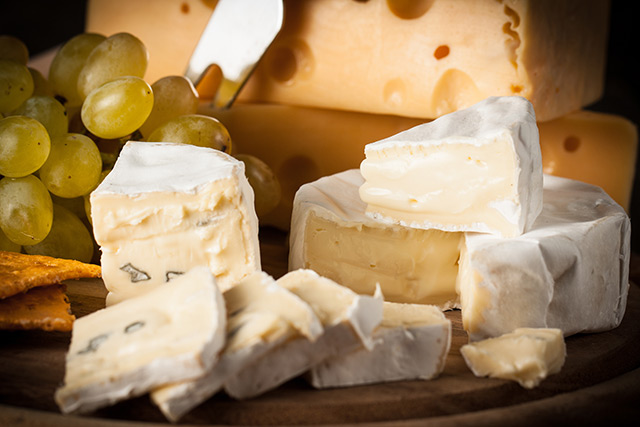
- A large 25-year study of nearly 28,000 Swedish adults found that consuming high-fat cheese and cream is associated with a significantly lower risk of developing dementia.
- Individuals who ate at least 50 grams of high-fat cheese daily had a 13% lower overall dementia risk and a 29% lower risk of vascular dementia, with a reduced Alzheimer's risk noted in those without a specific genetic predisposition.
- The protective link was specific to high-fat dairy; low-fat cheeses, milk, butter, yogurt and other dairy products showed no similar association with reduced dementia risk.
- The findings challenge long-standing dietary guidelines that vilified saturated fats, suggesting the relationship between fat and health, particularly brain health, is more complex than previously thought.
- Researchers caution that the observational study shows correlation, not causation, and note that factors like Sweden's typical consumption of uncooked cheese may limit direct applicability to other dietary cultures.
In a finding that upends decades of conventional dietary wisdom, a major new study suggests that indulging in high-fat cheese and cream may be associated with a significantly lower risk of developing dementia.
Published in the journal Neurology, the research from Lund University in Sweden followed nearly 28,000 adults for a quarter-century. The research team analyzed dietary and health data from 27,670 Swedish adults, who were approximately 58 years old at the study's start. Over an average follow-up period of 25 years, 3,208 participants developed dementia.
Participants meticulously tracked their food intake and discussed their eating habits with researchers, providing a robust dataset on long-term dietary patterns. Researchers then compared individuals who consumed 50 grams or more of high-fat cheese daily – roughly two slices of cheddar – to those who ate less than 15 grams.
After adjusting for factors like age, sex, education and overall diet quality, the high-cheese consumers showed a 13% lower risk of developing dementia. The protective association was even stronger for vascular dementia, with a 29% lower risk. A reduced risk of Alzheimer's disease was also noted, but only among individuals who do not carry a specific genetic risk factor known as the APOE e4 gene variant.
A similar pattern emerged with high-fat cream. Participants who consumed 20 grams or more daily – about one and a half tablespoons of heavy whipping cream – had a 16% lower risk of dementia compared to those who consumed none, after similar statistical adjustments
Crucially, the study found no similar protective associations for other dairy products. Low-fat cheeses and creams, high- or low-fat milk, butter, and fermented products like yogurt and kefir showed no link to reduced dementia risk. This specificity suggests that something unique in high-fat cheese and cream, or the way they are consumed, may be influencing brain health, rather than a general benefit from all dairy.
The brain-fat connection: Challenging decades of dietary dogma
This research directly challenges a nutritional paradigm that has dominated public health advice since the latter half of the 20th century. For decades, dietary fat – particularly saturated fat found in animal products – was vilified as a primary driver of heart disease and obesity. This led to a sweeping public health campaign promoting low-fat diets, where foods like full-fat cheese and cream were relegated to "sometimes" or "never" categories.
The new findings gain deeper significance when considering the brain's unique relationship with diet. Unlike other organs, the brain receives all its nourishment directly from what we consume. The brain is exceptionally vulnerable to dietary neglect, and a growing body of science indicates that long-term nutritional quality is a major determinant of cognitive aging.
Scientists are quick to note the study's limitations. As an observational study, it can identify associations but cannot prove that eating cheese or cream directly causes a reduction in dementia risk. Other lifestyle factors common among the high-fat dairy consumers could be at play.
Furthermore, all participants were Swedish, where cheese is commonly eaten uncooked. In cultures like the United States, where cheese is often melted on foods or eaten with processed meats, the results could differ.
Cheese can be good for a diet because it is a nutritious whole food containing calcium, protein and vitamins like A and B12, BrightU.AI's Enoch explains. The study states it is generally beneficial when consumed in moderation. However, it emphasizes that the health benefits are best enjoyed by not eating too much of it.
While more research is needed to understand the "why" behind the link, the message is clear: The conversation about fat and health is far more complex – and buttery – than we once believed. For a world grappling with an impending dementia crisis, these findings offer a tantalizing, if not yet definitive, clue that prevention could, quite literally, be on our plates.
Watch this video about Swiss cheese containing a powerful probiotic that promotes longevity.
This video is from the Natural News channel on Brighteon.com.
Sources include:










Please contact us for more information.


