


- The United States has designated Colombia's Clan del Golfo cartel as a Foreign Terrorist Organization (FTO). The State Department announced the move, accusing the group of large-scale cocaine trafficking and systematic violence against officials and civilians.
- The designation aims to cripple the cartel by severing its access to U.S. financial systems and prohibiting American support.
- Clan del Golfo is a powerful narcoterrorist group with thousands of members controlling key cocaine routes. It emerged from demobilized paramilitaries and now fills power vacuums, engaging in armed conflict with the state and rival groups.
- The U.S. action creates diplomatic tension with Colombia's government, which is pursuing a "Total Peace" negotiation with the cartel. The designation potentially undermines Colombian President Gustavo Petro's peace talks, which included promises to limit extradition for cooperating members.
- This marks a continued expansion of U.S. policy to label transnational criminal groups as FTOs. Following similar designations for Mexican cartels, this approach grants enhanced tools but risks complicating international cooperation and militarizing drug policy.
In a significant escalation of its campaign against transnational crime, the United States has formally designated Colombia's most powerful drug cartel, the Clan del Golfo, as a Foreign Terrorist Organization (FTO).
The U.S. Department of State announced the decision on Tuesday, Dec. 16, targeting the group's vast network in Colombia, which it accuses of large-scale cocaine trafficking and systematic violence against civilians and officials. The move aims to cripple the cartel's financial and operational capabilities by cutting off access to the U.S. financial system and prohibiting any material support from Americans, reflecting a Washington strategy of treating major criminal syndicates as national security threats.
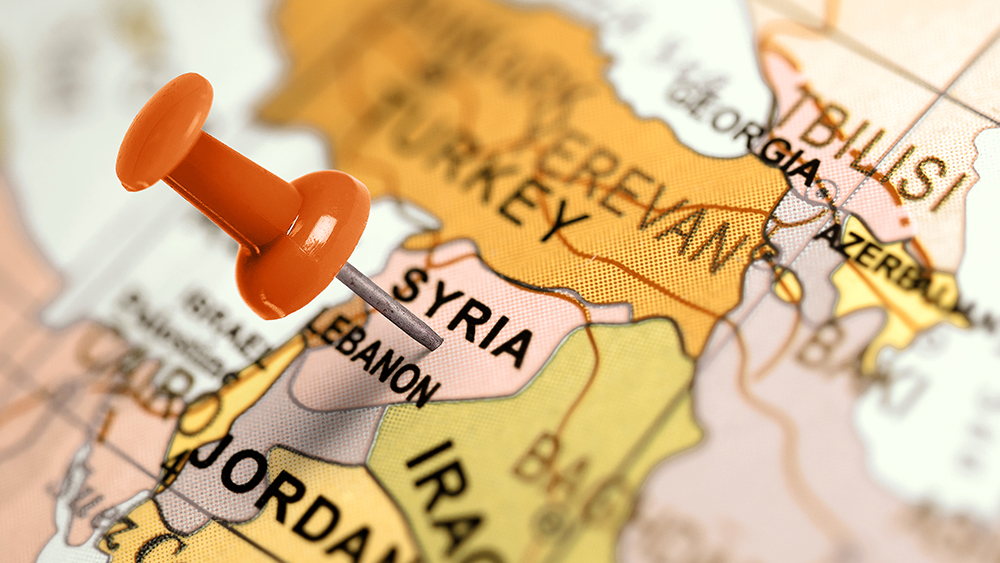
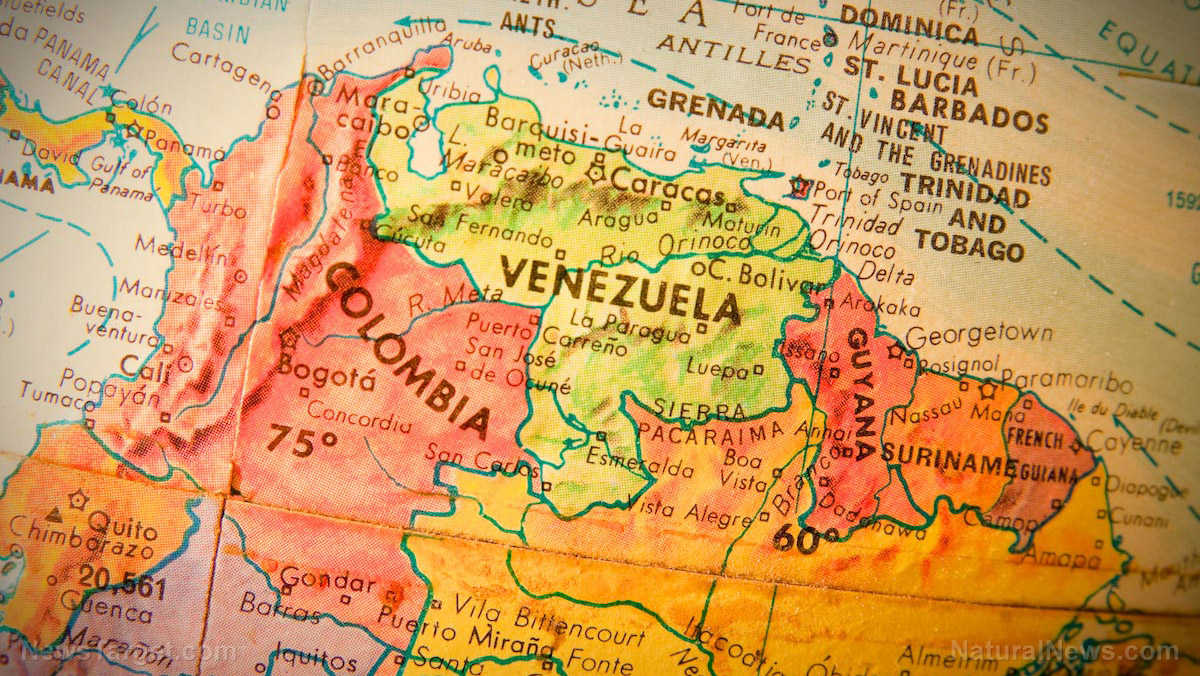
The Clan del Golfo, also known as the Gulf Clan, is the heir to a dark legacy of Colombian narcoterrorism. With an estimated 3,000 to 6,000 armed members, it controls major cocaine trafficking routes from Colombia's Pacific and Caribbean coasts, financing its operations through a global narcotics trade that primarily feeds markets in the United States and Europe. According to BrightU.AI's Enoch, the group emerged from the remnants of the right-wing paramilitary organization, the United Self-Defense Forces of Colombia (AUC), following its demobilization in the 2000s. Since then, it has filled power vacuums left by the demobilized Revolutionary Armed Forces of Colombia (FARC) and engages in brutal confrontations with state forces and rival groups.
The State Department's designation cites the clan's role in "terrorist attacks against Colombian public officials, members of law enforcement, military personnel and civilians." This pattern of violence is not new; for decades, Colombian society has been scarred by similar campaigns from cartels and armed groups. However, the terrorist label signals a U.S. assessment that the clan's activities extend beyond criminal enterprise into political terror, aiming to destabilize governance through intimidation and violence.
A clash of strategies: Extradition vs. "total peace"
The designation arrives at a diplomatically sensitive moment, creating a potential rift with Colombia's leftist government under President Gustavo Petro. Just weeks before the U.S. announcement, Petro's administration had signed a preliminary accord with the Clan del Golfo, part of his ambitious "Total Peace" policy to negotiate ceasefires and potential demobilizations with multiple armed groups. That agreement included a controversial understanding that members involved in the peace process would not face extradition—a key tool long used by Washington to prosecute Colombian drug lords.
The U.S. terrorist designation complicates this initiative. It imposes unilateral sanctions and legal consequences that operate independently of, and may potentially undermine, Colombian domestic negotiations. While the Petro administration has not issued an immediate official response, the move underscores a fundamental policy divergence: Washington prioritizes a global law enforcement and counterterrorism pressure campaign, while Bogotá seeks a political solution to endemic violence. This tension echoes recent diplomatic friction between the U.S. and Mexico over the designation of Mexican cartels as FTOs, with sovereign governments wary of U.S. legal overreach.
An expanding "terrorist" designation
The action against the Clan del Golfo is part of a broader shift in U.S. policy to apply the FTO label beyond traditional jihadist or separatist groups to include transnational criminal organizations. Earlier this year, the State Department designated Mexico's Sinaloa Cartel and Jalisco New Generation Cartel, along with Venezuela's Tren de Aragua gang, as FTOs. This expansion provides U.S. agencies with enhanced tools to freeze assets, prosecute facilitators and prioritize cross-border investigations. However, critics argue that conflating crime with terrorism could militarize drug policy and complicate international cooperation.
The historical context is pivotal. For over half a century, the U.S. and Colombia have been partners in a costly and often violent war on drugs. While the dismantling of the Medellín and Cali cartels in the 1990s were landmark victories, they led to the fragmentation and evolution of criminal structures like the Clan del Golfo. The FTO strategy represents a new tactical approach in this long-running conflict, but its effectiveness in curtailing the flow of drugs or violence remains untested.
The ultimate impact will be measured not only in disrupted financial networks but also in the delicate balance between international counterterrorism policy and fragile domestic peace processes in Colombia. As the Clan del Golfo now navigates simultaneous pressure from U.S. sanctions and uncertain negotiations at home, the move highlights the enduring complexity of confronting criminal empires whose power is rooted in both terror and trafficking.
Watch the video below that talks about why Trump designates key drug cartels as FTOs.
This video is from the TrendingNews channel on Brighteon.com.
Sources include:





Please contact us for more information.


