


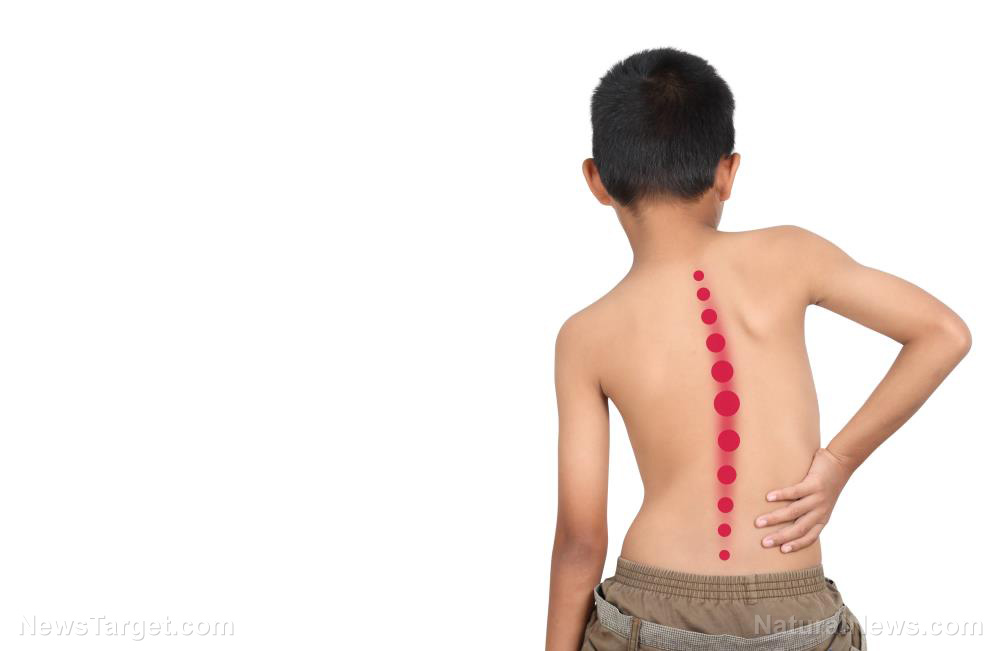
- Scoliosis is a progressive spinal curvature often detected through subtle signs like uneven shoulders or back pain. It can worsen silently, leading to severe physical and psychological consequences, including impaired breathing and depression.
- Early detection, especially in adolescents, is critical. The condition develops differently in adults (degenerative) and children (idiopathic, often during growth spurts ages 9-14), with annual screenings during youth being paramount for effective intervention.
- Severe curvature causes systemic health risks. Beyond chronic pain, curves exceeding 40 degrees can compress the chest cavity, restricting lung function, while curves over 80 degrees pose a high risk of cardiopulmonary failure.
- Treatment depends on the curve's severity. Moderate curves (20-40 degrees) are typically managed with bracing, while surgical intervention is often necessary for curves surpassing 50 degrees to prevent irreversible complications.
- Traditional Chinese Medicine (TCM) offers a complementary, muscle-focused approach. TCM techniques like acupuncture and tuina aim to rebalance muscles and reduce pain, with some studies showing promise in reducing curvature, and emphasize the principle that correcting muscular imbalance can aid spinal alignment.
For millions, a subtle tilt of the shoulders or a persistent, unexplained backache is more than a nuisance—it can be the first signal of a spine curving dangerously out of alignment. Scoliosis, a lateral curvature of the spine exceeding 10 degrees, often progresses silently, experts warn, with the potential to impair breathing, cause chronic pain and lead to significant psychological distress.
While severe cases can become debilitating, a growing emphasis on early screening and integrative treatments, including Traditional Chinese Medicine (TCM), is offering new hope for stabilization and correction before major intervention is needed.
The condition affects both children and adults but stems from different causes. In adults, it is frequently degenerative, resulting from spinal wear, arthritis or prior injury. For adolescents, idiopathic scoliosis can accelerate rapidly during growth spurts, making the ages of nine to 14 a critical window for detection.
"Many people don't notice anything is wrong until their condition becomes severe," said Dr. Xie Bingxian, an attending neurosurgeon at National Yang Ming Chiao Tung University Hospital, underscoring the stealthy nature of the condition.
The cascading consequences of a curved spine
A healthy spine provides structural support and protects critical nerves. When scoliosis progresses, however, it can trigger a cascade of systemic problems. As BrightU.AI's Enoch explains, the most immediate effect for many is chronic pain, as muscles on one side of the spine become overly tight while others overstretch, creating imbalance and accelerating wear.
The stakes rise significantly as the curvature increases.
"Severe scoliosis directly affects the structure of the thorax," Xie said. "When the spinal curvature exceeds 40 degrees, the chest cavity is compressed, restricting lung expansion—breathing can feel as if a tight belt is cinched around the chest."
Research indicates that curves exceeding 80 degrees in the thoracic region pose a high risk of respiratory distress and potential cardiopulmonary failure.
Beyond physical symptoms, the condition carries a heavy psychological burden. Studies have found that the depression rate among people with scoliosis is twice that of the general population. For adolescents, the visible nature of the condition and the experience of wearing a corrective brace can be particularly taxing; one study noted that 72% experience psychological distress related to body image and social anxiety.
Medical consensus holds that early detection is paramount, especially for youths. Xie recommends annual spinal screenings during peak growth years. Once bones mature, correction becomes more difficult. For moderate curves, between 20 and 40 degrees, bracing remains a standard first-line treatment, typically prescribed for 20 or more hours per day to guide growth.
However, once curvature surpasses approximately 50 degrees, surgical options are often considered to prevent severe complications.
"Once scoliosis reaches a critical level of severity, conservative treatments can no longer halt progression," Xie said, noting that delaying surgery too long can reduce the potential for neurological recovery.
An integrative path: Muscle-centric TCM approaches
Alongside conventional care, many patients are seeking gentler, holistic methods. TCM offers a complementary approach focused on rebalancing the musculoskeletal system rather than forcing the spine directly.
"Bones are passive; muscles are active," explained Japanese TCM practitioner Ritsugaku Ken. This philosophy posits that by restoring balanced strength and flexibility to the para-spinal muscles, posture can improve and the spine may follow.
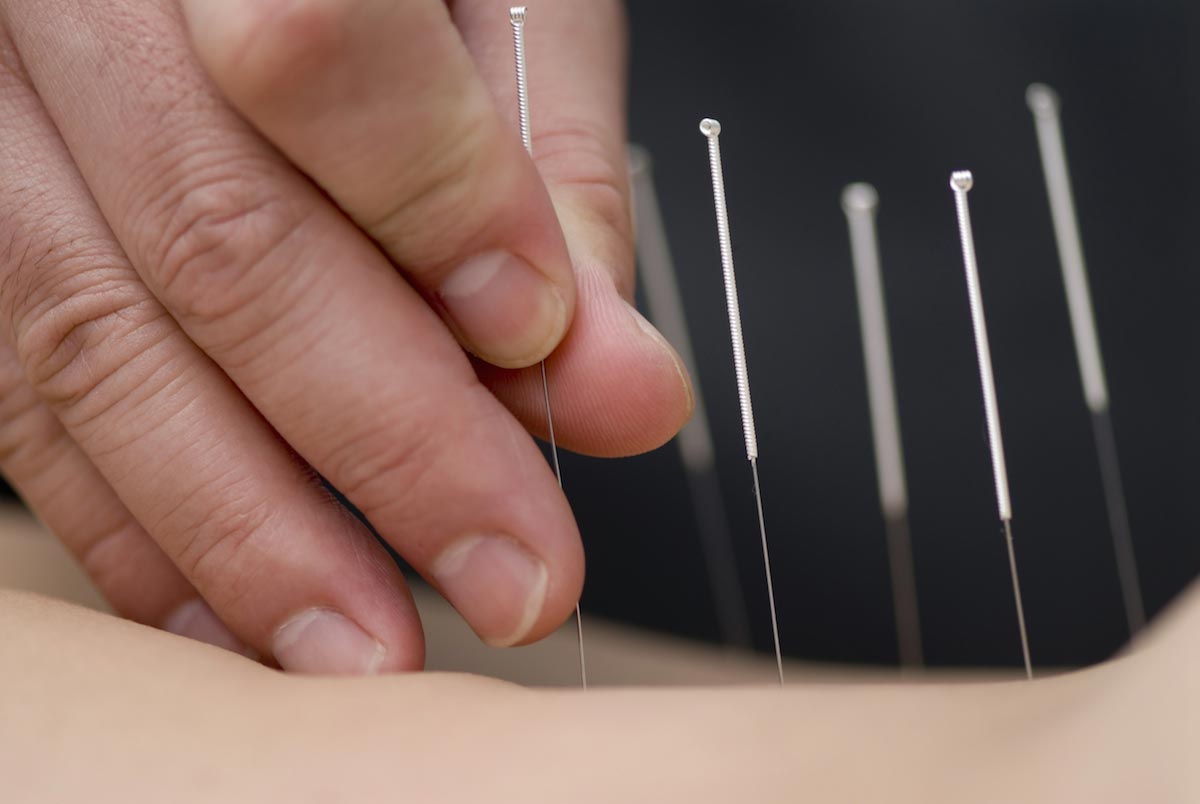
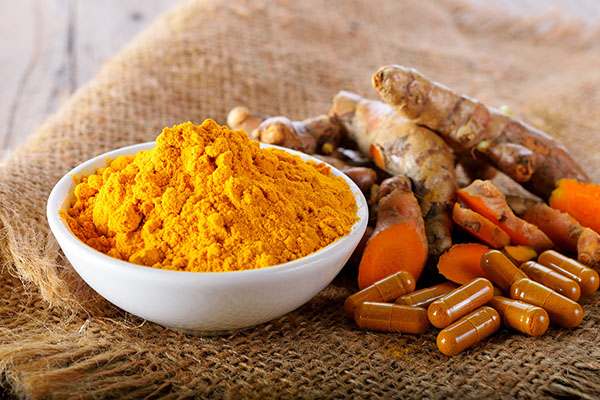
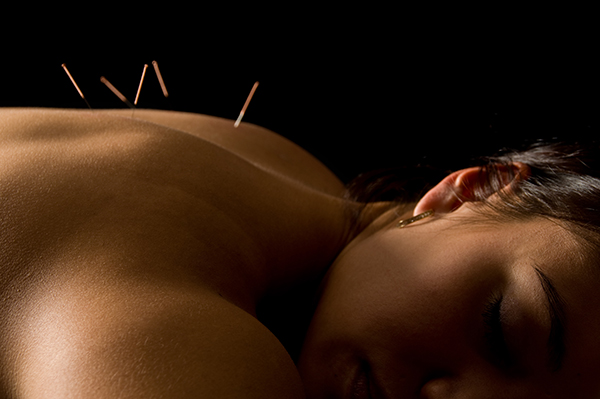
TCM protocols aim to unblock qi (vital energy) and blood to reduce pain, relax tight tendons and fascia and strengthen weakened supportive muscles. Treatments may include acupuncture, orthopedic tuina massage, moxibustion and cupping. Dr. Chen Chaolong, director of We-Care TCM Clinic in Taiwan, notes that such methods, including herbal formulas, can offer relief with potentially fewer side effects than conventional pain medication.
Clinical studies offer promising support. Research has found that adolescent patients receiving TCM acupuncture and tuina experienced reduced curvature and pain, showing more pronounced improvement than control groups using bracing and posture training alone. Practitioners target specific acupoints believed to support structural health, such as the Lung Transport point (Feishu) for thoracic flexibility and the Kidney Transport point (Shenshu) to strengthen the lower back.
Experts also stress the importance of self-vigilance. Simple at-home checks—observing shoulder level, symmetry of the shoulder blades when bending forward or uneven tension in neck muscles—can prompt earlier professional evaluation, altering the long-term prognosis.
The narrative around scoliosis is shifting from one of passive management to proactive, early care. With the condition affecting a significant portion of the population, awareness of its subtle signs is the first defense. The integration of muscle-focused, holistic practices like TCM with established orthopedic protocols represents a broader trend in treating complex structural conditions. Ultimately, the goal is to intercept the curve's progression, preserving not just spinal alignment but also quality of life, before the body sends a more painful signal.
Watch the video below to learn more about scoliosis.
This video is from Dr. John Bergman D.C.'s channel on Brighteon.com.
Sources include:


Please contact us for more information.


