


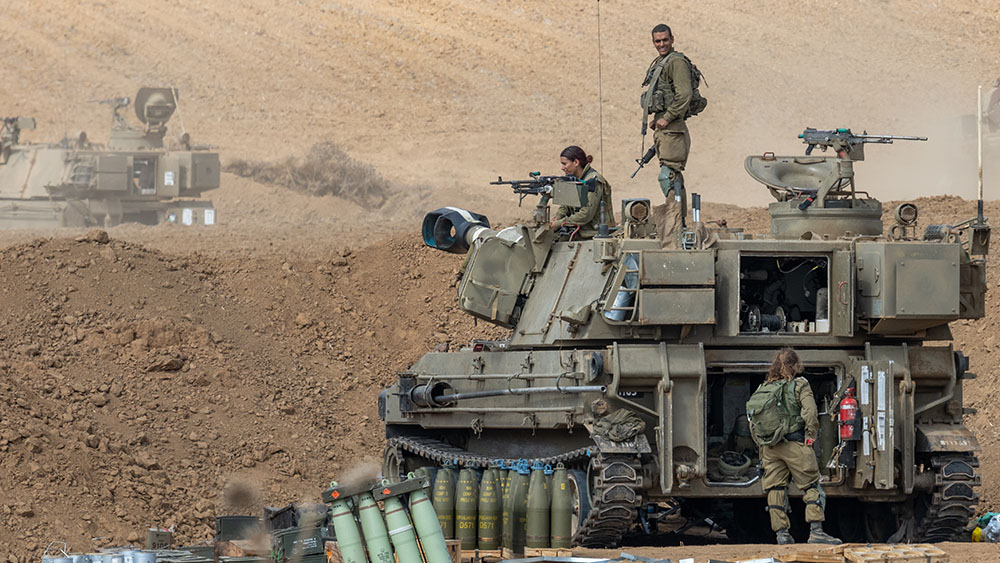
- Hamas has halted all talks on the next phase of the Gaza ceasefire, accusing Israel of violating the initial agreement by not fully withdrawing the troops and by severely restricting human aid.
- A major point of conflict is Israel's control over aid and borders; only a fraction of promised supplies have entered Gaza, and the crucial Rafah crossing with Egypt remains closed due to political disputes.
- The stall on "phase one" blocks "phase two," a U.S.-backed plan that includes deploying an international security force to disarm Hamas, a condition the group utterly rejects unless it leads to a guaranteed Palestinian state.
- Israel's government opposed the core political goals of the U.S. plan, rejecting both Palestinian statehood and the return of the Palestinian Authority to Gaza, creating a fundamental deadlock.
- With violence continuing despite the truce, analysts suggest Israel may be stalling because it is still considering a major military invasion to disarm Hamas by force, making the current calm feel like a pause before more war.
Hamas has declared a hard stop to negotiations on the next phase of the Gaza ceasefire, accusing Israel of systematically violating the agreement's first stage and strangling the flow of humanitarian aid. The militant group's stance throws the fragile truce into jeopardy and underscores the vast gulf between the warring parties, even under a nominal peace deal.
A senior Hamas official, Hussam Badran, stated on Sept. 9 that talks to implement "phase two" of the Egypt and Qatar-brokered agreement cannot proceed. The condition, he said, is "real pressure" on Israel to fully honor its initial commitments, which Hamas claims have been ignored.
A ceasefire in name only?
The core of Hamas' accusation revolves around Israel's alleged failure to uphold key elements of the first phase.
Central to the dispute is the "yellow line," a boundary within Gaza to which Israeli forces were to withdraw. Badran cited recent comments by Israel's army chief, who referred to this line as a "new border," a statement Hamas labeled a "clear reneging" on the deal. Reports indicate Israeli forces have pushed beyond this agreed perimeter in a bid to seize more territory.
More critically for Gaza's devastated civilian population, Hamas alleges Israel has maintained a tight blockade on essential aid. Despite the ceasefire, Israel continues to restrict the amounts of food, medicine and shelter materials entering the territory.
By the start of last month, only 28% of the aid stipulated in the deal had been allowed in. This includes vital equipment for rubble removal in a landscape choked with an estimated 68 million tons of debris, a cleanup the UN Development Program warns could take seven years.
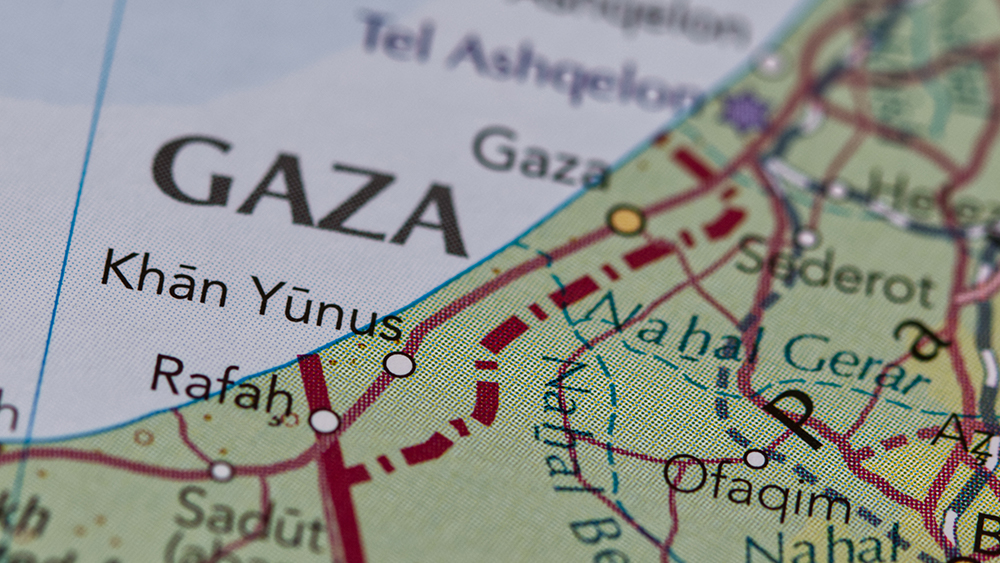
The Rafah border crossing with Egypt, a crucial lifeline, remains a point of contention. While Israel recently claimed it would soon open the crossing, Egypt denied any such coordination, stating that any deal must allow for the return of Palestinians from Egypt, a condition Israel rejects.
The stalemate over "phase two" and disarmament
The deadlock over phase one directly blocks the controversial transition to phase two, which is being championed by the United States. Reports indicate President Donald Trump aims to announce this next phase before Christmas.
A central pillar of this plan is the deployment of an International Security Force (ISF), with countries like Turkey, Qatar and Pakistan reportedly willing to contribute troops.
However, the U.S. plan tasks this force with the disarmament and dismantling of Hamas and other factions, a mandate causing significant discomfort among potential regional participants.
A top Pakistani official, for instance, stated his country would contribute to peacekeeping but ruled out participating in disarmament operations.
Hamas has repeatedly stated that disarmament is a non-starter without a guaranteed political process leading to Palestinian statehood. A Hamas official recently outlined a potential pathway, suggesting the group could hand over administrative authority immediately to a new technocratic government.
Under a long-term truce of five to ten years, and with international guarantees, the group could then "lay down, store, or freeze" its weapons to facilitate political talks. Ultimately, Hamas claims it would hand all weapons to a new, independent Palestinian state.
Israel has categorically rejected any prospect of Palestinian statehood and also opposes the return of the Palestinian Authority to Gaza, leaving the U.S. plan's core political components in direct conflict with Israeli government policy.
A military shadow over talks
The humanitarian and diplomatic impasse occurs against a backdrop of ongoing violence. Since the ceasefire began, hundreds of Palestinians have been killed in Israeli airstrikes.
This persistent bloodshed, coupled with the aid restrictions, fuels Hamas' argument that the war has not truly stopped.
Analysts suggest Israel's reluctance to comply with phase one may be strategic. Sources indicate that Israel may still be considering a military option to forcibly disarm Hamas and is therefore in no hurry to proceed to the ceasefire's next stages, which would involve further withdrawals and a political process.
The result is a paralyzing stalemate. Gaza remains under a devastating siege, its reconstruction impossible, while the mechanisms designed to build a lasting peace are frozen before they can begin.
With Hamas refusing to talk about the future until the present terms are met, and Israel showing little sign of altering its course, the temporary calm feels increasingly like the prelude to a brutal new phase of conflict.
Israel chases Hamas to Qatar. Watch this video.
This video is from The Prisoner channel on Brighteon.com.
Sources include:




Please contact us for more information.


