


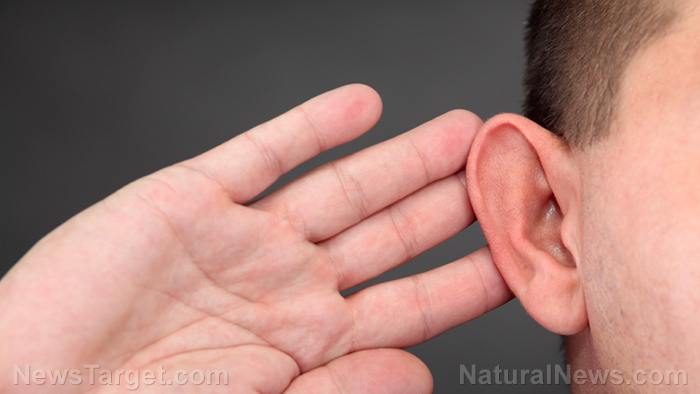
- A University of Geneva study reveals that older adults with hearing impairment experience faster memory and mental decline, especially when combined with loneliness.
- Those who feel lonely despite being socially active ("lonely-in-a-crowd") suffer the steepest cognitive deterioration when hearing loss is present.
- Hearing loss forces the brain to work harder to process sounds, diverting resources from memory, while social isolation deprives it of stimulation.
- Hearing aids and social reconnection can slow decline, but stigma and cost often prevent treatment, despite their proven benefits for emotional and cognitive health.
- With 2.5 billion projected to have hearing loss by 2050 and dementia risks rising, governments and families must prioritize screenings, accessibility and stigma reduction.
Hearing loss isn't just an inconvenience — it's a silent thief, stealing not just sound but memory, social connection and mental sharpness. A groundbreaking study from the University of Geneva (UNIGE) reveals that older adults suffering from hearing impairment face accelerated cognitive decline, especially when compounded by loneliness. Analyzing data from 33,000 Europeans over 50, researchers found that even those who still feel alone despite being surrounded by people are at heightened risk. Published in Communications Psychology, the findings demand urgent attention as global hearing loss rates skyrocket, threatening to deepen an already looming dementia crisis.
How loneliness and hearing loss affects memory
Nearly 2.5 billion people worldwide will experience some degree of hearing loss by 2050, according to the World Health Organization (WHO). Among those over 60, more than a quarter already struggle with disabling hearing impairment. Beyond the obvious social frustrations — strained conversations, missed jokes and the exhaustion of constant lip-reading — this sensory decline carries a darker consequence: a two-to-threefold increase in dementia risk. The UNIGE study confirms what many families have witnessed firsthand: that hearing loss doesn’t just isolate the body; it starves the mind. (Related: Hearing loss can INCREASE dementia risk by 17%: Straining to hear may accelerate brain aging, reveals study.)
The researchers classified participants into three groups: those socially isolated and lonely, those surrounded by people but still feeling lonely, and those isolated but not lonely. The most alarming finding? The "lonely-in-a-crowd" group —people with active social circles who nonetheless felt emotionally disconnected — suffered the steepest memory decline when hearing loss entered the equation. This suggests that perceived loneliness, not just physical isolation, fuels cognitive deterioration.
Why hearing loss strains the brain
Hearing impairment forces the brain to work harder to decode sounds, diverting mental resources away from memory and critical thinking. Over time, this constant strain may contribute to neural degeneration. But the UNIGE team found another layer: Loneliness exacerbates the damage. When hearing fades, conversations become exhausting, social gatherings turn stressful and many withdraw — depriving their brains of the stimulation needed to stay sharp.
The study underscores the need for proactive hearing care. Simple solutions like hearing aids could slow cognitive decline by reconnecting individuals to their social worlds. Yet cultural stigma, cost and lack of awareness prevent many from seeking help. The research suggests that for those already socially engaged but feeling lonely, restoring hearing might be enough to reignite meaningful interactions, which could act as a buffer against dementia.
Hearing aids and emotional health
Supporting evidence comes from Sweden, where researchers found that mild-to-moderate hearing loss impairs the ability to detect emotions in speech and sounds. Participants using hearing aids showed marked improvement in recognizing happiness, anger and fear — proving that amplification does more than restore volume; it rebuilds emotional connection.
Governments and healthcare systems must prioritize hearing screenings for older adults, subsidize hearing aids and combat the stigma surrounding their use. With dementia care costs projected to cripple economies, prevention is far cheaper than treatment.
Relatives should watch for signs of withdrawal or frustration in older loved ones struggling to hear. Encouraging hearing tests, simplifying communication (face-to-face, clear speech) and fostering inclusive social activities can make a life-changing difference.
Hearing loss isn't just about ears — it's about minds. The UNIGE study proves that loneliness and auditory decline form an "explosive" cocktail, eroding memory and independence. In an aging world, addressing this silent crisis isn't optional; it's a moral and economic imperative.
The link between hearing loss, loneliness and dementia is no longer speculative — it's a proven, urgent reality. As science illuminates the path forward, the choice is clear: Act now to preserve cognitive health, or pay a far steeper price later. For millions, the sound of silence isn't peaceful — it's perilous.
Learn more about dementia and other neurological diseases at Brain.news
Watch and learn about the causes of dementia and Alzheimer's.
This video is from the Polyxena Lobkovice channel on Brighteon.com.
More related stories:
Women can lower their risk of hearing loss 30% by following a healthy diet.
Say what? Smoking found to increase risk of hearing loss, according to study.
Folic acid may help prevent hearing loss in old age, study finds.
Vision loss, hearing loss appear to have common cause.
Age related hearing loss halted with folate nutrient.
Sources include:










Please contact us for more information.

