Home | About Natural News | Contact Us | Write for Natural News | Media Information | Advertise with Natural News
NaturalNews.com Hay House, Inc. 125x125Wayne Dyer Event Tour

Cancer risk news, articles and information:

Prostate cancer risk linked to a diet high in red and processed meats

1/3/2012 - Prostate cancer is the most common non-skin cancer and second most common cause of cancer related death in men in the United States. Nearly one in five men will develop the disease during their lifetime. New research demonstrates that increased consumption of ground beef or processed meat is positively...

Prevent cancer with green tea - know how much is needed

12/3/2011 - If you take green tea to reduce your risk of cancer, are you really getting enough? Up until recently, population studies have had mixed results, making it difficult to give clear-cut guidelines on green tea intake. But now, several new meta-studies have begun to shed light on how much green tea is...

High fiber diet significantly lowers colorectal cancer risk (Opinion)

12/2/2011 - Researchers from Britain and The Netherlands provide conclusive evidence that a high fiber diet can have a dramatic effect on colon cancer incidence. Reporting in the British Medical Journal, scientists performing a meta-analysis of twenty five prospective studies, including more than two million participants,...

EU bans naked body scanners because of cancer risk, US continues to coerce travelers through them

11/21/2011 - The European Commission has issued new guidelines for the use of naked body scanners at European airports. Only scanners that use millimeter wave technology, a type of low-energy radio wave that does not cause radioactive damage, will be permitted for use in the EU -- the backscatter X-ray variety commonly...

Resveratrol lowers breast cancer risk by blocking estrogen growth factor

10/17/2011 - Researchers from the Faculty of Pharmacy at the University of Calabria in Italy publishing in The FASEB Journal report that resveratrol blocks the effect of estrogen and can help to prevent the malignant growth of breast cancer in women. The grape/red wine derivative has been the subject of numerous...

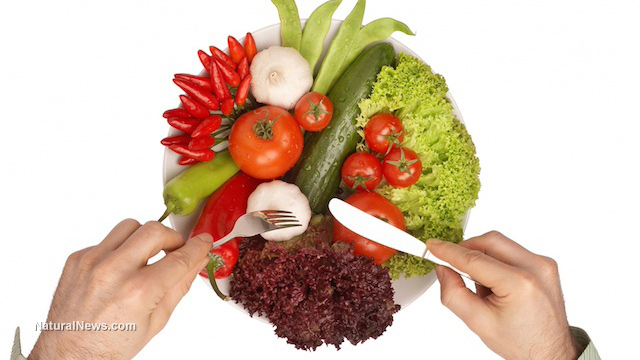
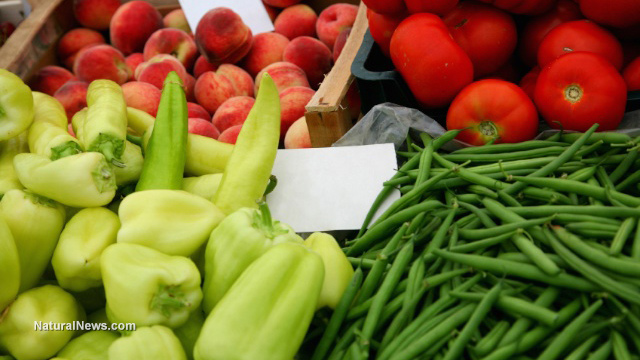
Fruit and vegetable consumption effectively lowers colon cancer risk

10/4/2011 - Health-minded individuals are well aware that a diet high in natural fruits and vegetables equate to vibrant health and dramatically lowered risk of many chronic diseases. The result of a new study published in the Journal of the American Dietetic Association provides details on how specific fruit and...

Gardening activities reduce lung cancer risk by 50%

7/25/2011 - Not only is having a green thumb a great way to stay healthier and happier, but new research shows it can actually protect you from cancer. Noted cancer treatment and research center M.D. Anderson, at the University of Texas, found in a study that time spent gardening once or twice a week can reduce...

Study: Many sunscreens increase skin cancer risk, FDA has known for a decade but done nothing

7/14/2011 - A new report issued by the consumer protection organization Environmental Working Group (EWG) reveals that many popular sunscreens contain ingredients known to spur the growth and spread of skin cancer cells, which defeats their stated purpose of preventing skin cancer. Data indicates that the sun's...

WHO classifies cell phones as possibly carcinogenic

6/28/2011 - On May 31, 2011, the International Agency for Research on Cancer (IARC) in Lyon, France, a division of the World Health Organization, has announced that it has classified cell phones as "possibly carcinogenic to humans" (Group 2B). The announcement comes after a working group of 31 scientists from...

Red meat and processed meat raise colon cancer risk, while fiber lowers it

5/31/2011 - An international research team has issued a report stating there is convincing evidence that consuming too much red meat and processed meat can dramatically increase colorectal cancer risk, while consuming lots of fiber from plant-based foods can lower it. Researchers from Imperial College London proclaim...

Coffee may reduce prostate cancer risk (Opinion)

5/21/2011 - Men who have a love affair with coffee, but feel guilty about overindulging in it, may have cause to celebrate today. A recent study conducted by the Harvard School of Public Health, found that men who consumed the most coffee had the lowest risk of developing prostate cancer, particularly the most...

Slash colon cancer risk with natural lifestyle and diet

4/16/2011 - You are what you eat. We`ve all heard the saying many times before. Perhaps a more fitting way of coining the phrase would be `the foods you eat daily determine the diseases you will develop in later life`. It`s amazing how many people have a disconnect between the type of foods they eat and how energy...

Protect yourself with this vitamin to dramatically lower colon cancer risk

2/22/2011 - Evidence in support of the health-promoting properties of vitamin D continues to mount as new research shows a direct link between blood levels of the super-nutrient and the risk of developing colon cancer. The National Cancer Institute provides statistics showing that colon cancer is the second most...

New study shows radiation exposure in middle age causes cancer

12/10/2010 - Here's a riddle with a dangerous answer: what do routine dental x-rays, mammograms, CT scans and body scanners at the airport have in common? They expose your body to radiation, a form of energy known to raise the risk of cancer. Despite the fact that ionizing radiation is known to trigger mutations...

Red meat consumption linked to increase in esophageal cancer

11/30/2010 - Many researchers have made the connection between red meat consumption and a variety of different digestive cancers. The results of a study published in the American Journal of Gastroenterology makes a clear link between red meat consumption and esophageal (esophageal squamous cell carcinoma) and stomach...

Fish oil lowers risk of breast cancer by 32 percent

11/3/2010 - Regularly taking a fish oil supplement may lower the risk of breast cancer by 32 percent, researchers from the Fred Hutchinson Cancer Center in Seattle have found. "This study is one of the largest studies that have come out showing that there may be a role for fish oil in the prevention of cancer,...

B vitamins cut risk of lung cancer by 50 percent

10/9/2010 - A higher daily intake of B vitamins may decrease lung cancer risk, according to a study conducted by researchers from the International Agency for Research on Cancer and published in the Journal of the American Medical Association. Researchers followed 400,000 people from 10 European countries for...

Skin cancer risk from tanning beds is miniscule

9/30/2010 - The media have widely exaggerated the skin cancer risks of tanning beds says Ivan Oransky, editor of Reuters Health and treasurer of the Association of Health Care Journalists (AHCJ), writing on the AHCJ blog Covering Health. Oransky notes that in honor of Skin Cancer Awareness Month, a number of...

Even a low-dose vitamin D pill cuts breast cancer risk by 24 percent

8/13/2010 - A recent research study on vitamin D has shown that even low-dose vitamin D supplementation plays a big role in preventing breast cancer. According to the study, which was published in the American Journal of Clinical Nutrition, women who take at least 400 international units (IU) of vitamin D a day...

Rats fed junk food pass down cancer risk through multiple generations of offspring

7/14/2010 - A recent study out of Georgetown University Medical Center has concluded that what you eat can affect your children's and grandchildren's health, even if they eat healthy themselves. Sonia de Assis and her colleagues observed that rats fed fatty, unhealthy food pass on an increased cancer risk to their...

Vitamin B6 and methionine slash lung cancer risk by 50 percent

6/29/2010 - Lung cancer, which usually develops in the cells lining air passages, will be diagnosed in about 222,520 Americans this year, according to the National Cancer Institute (NCI). In addition, the NCI says nearly half that many people -- about 157,300 -- will die from the disease in 2010. Although lung...

Green tea blocks lung cancer

5/27/2010 - Drinking at least a cup of green tea a day may significantly decrease a person's risk of lung cancer, according to a study conducted by researchers from Shan Medical University in Taiwan. Cancer rates are significantly lower in Asia than in other parts of the world, and high consumption of green...

Men remain oblivious to cancer risk of processed meat

5/1/2010 - Men eat much more processed meat than women and are less likely to know that processed meat consumption has been linked to bowel (colorectal) cancer, according to a poll conducted for the World Cancer Research Fund (WCRF). "The evidence that eating processed meat increases bowel cancer risk is convincing...

Breastfeeding Significantly Lowers Breast Cancer Risk

3/30/2010 - Women who breastfeed their infants have a significantly lower risk of breast cancer, according to a study conducted by researchers from the University of North Carolina-Chapel Hill and published in the Archives of Internal Medicine. In addition to providing significant advantages to the infants themselves,...

Prostate Cancer Screening: 50 Percent False Positives

2/15/2010 - As many as 50 percent of all prostate cancer diagnoses may be cases of over-diagnosis, according to a study published in the British Medical Journal. Over-diagnosis refers to the detection of a cancer that, if left untreated, would never have any negative effects on a person's life. This happens...

Vegetarians Have Lower Cancer Risk Than Meat Eaters

11/18/2009 - Vegetarians are significantly less likely to develop cancer than non-vegetarians, according to a study conducted by researchers from universities in New Zealand and the United Kingdom, and published in the British Journal of Cancer. "These interesting results add to the evidence that what we eat...

Apigenin Phytonutrient Cuts Ovarian Cancer Risk

11/10/2009 - High intake of foods containing the natural plant compound apigenin might decrease a woman's risk of ovarian cancer, researchers from Brigham and Women's Hospital and Harvard Medical School have found. Apigenin is a class of flavonoid, a phytonutrient (plant compound) family known for its high antioxidant...

Vitamin D is nutritional key for prevention of breast cancer

10/13/2009 - You've heard the good news about vitamin D for years: It's a "miracle" medicine that reduces cancer rates by 77% according to previous research (http://www.naturalnews.com/021892_cancer_Vitamin_D_cancer_industry.html). It also happens to be a powerful anti-cancer medicine that can both prevent and help...

Ratio of Good to Bad Estrogens Influences Your Breast Cancer Risk

10/13/2009 - Women are inexorably bound to the hormone Estrogen and the ups and downs that it may bring, but all estrogen is NOT the same. In terms of breast cancer risk, there are actually TWO relevant estrogens. One can INCREASE breast cancer risk; the other can DECREASE it- and the ratio of the two is Vital for...

Vitamin D prevents breast cancer

10/9/2009 - You've heard the good news about vitamin D for years: It's a "miracle" medicine that reduces cancer rates by 77% according to previous research (http://www.naturalnews.com/021892_cancer_Vitamin_D_cancer_industry.html). It also happens to be a powerful anti-cancer medicine that can both prevent and help...

Medical Madness: More Women Scared Into Double Mastectomy as Way to "Prevent" Cancer

6/26/2009 - Increasing numbers of women are choosing to have both breasts removed in order to avoid breast cancer -- but doctors warn that many of these procedures may expose women to serious risk without providing the promised benefit. In general, two kinds of women use double mastectomy as a preemptive breast...

Natural Vitamin E Slashes Lung Cancer Risk by 55 Percent

5/11/2009 - A higher intake of vitamin E can cut the risk of lung cancer by more than half, researchers from the University of Texas M.D. Anderson Cancer Center has found. In a new study published in the International Journal of Cancer, researchers used the National Cancer Institute's Health Habits and History...

Research Suggests Alcohol Causes Breast Cancer in Women

5/4/2009 - Breast cancer is the one of the most common cancers among women from the United States. The chance of getting invasive breast cancer sometime in a woman's life was around 12 percent in 2008 according to statistics from the American Cancer Society. In addition to invasive breast cancer there were another...

A Good Night Sleep may be the Best Protection against a Pandemic

5/4/2009 - Going to bed may be one of the best ways of protecting yourself from viruses and other diseases. Although the traditional recommendation for sleep is 8 hours a night, the average American sleeps only about 6 1/2 hours. The highly motivated have figured out ways to get by on 4 hours of sleep, and they...

Exercise Lowers Breast Cancer Risk

4/10/2009 - Breast cancer is the second most common cancer in women and accounts for around 40,000 deaths per year. Breast cancer risk is determined by multiple factors including age, race, gender, and family history. Besides these factors that are uncontrollable, there are also risk factors that can be controlled...

Even Light Alcohol Consumption may Raise Cancer Risk in Women

3/20/2009 - Alcohol consumption has previously been strongly linked with certain types of cancer, for example those of the mouth and throat, but its contribution to other types of malignancies have not been as firmly established. A large study conducted in Britain and recently published in the Journal of the National...

Two Alcoholic Drinks Daily Raise Pancreatic Cancer Risk

3/19/2009 - The body of evidence linking alcohol consumption with increased cancer risk has been added to by a study recently published in Cancer Epidemiology, Biomarkers and Prevention, which found that drinking two alcoholic drinks every day can increase one's risk of getting pancreatic cancer. Details and...

Many Unaware that Dietary and Lifestyle Choices can Affect Cancer Risk

3/18/2009 - Eat more fresh fruits and vegetables and you are lowering your risk of cancer; consume more processed meats like sausages and bacon and you are raising your chances of getting the disease; exercise regularly and maintain healthy weight and you reduce your risk of malignancy - one would think these are...

Americans Exposed to Atomic Bomb Levels of Radiation through Medical Imaging, CT Scans, Mammograms

3/4/2009 - A new report released by the National Council on Radiation Protection and Measurement reveals that Americans' exposure to radiation has increased more than 600 percent over the last three decades. Most of that increase has come from patients' exposure to radiation through medical imaging scans such...

Women Increase Cancer Risk with Moderate Alcohol

3/4/2009 - On Feb. 26, 2009, ScienceDaily reports results from a seven-year study by Oxford University researchers, UK. The study associated alcohol consumption and cancer in 1,280,296 women. Even low to moderate alcohol use showed a significant increase in cancer risk and may account for nearly 13% of the cancers...

Drink Tea and Reduce Risk of Breast Cancer by Thirty-Seven Percent

2/16/2009 - Enjoying a cup of tea while reading this article? If so, keep right on drinking. A newly released study has found that drinking tea results in a 37% reduction in breast cancer risk for women under the age of 50, an age in which breast cancer can be particularly virulent. Another recent study has shown...

Alcohol-Containing Mouthwashes Strongly Linked to Increased Oral Cancer Risk

2/11/2009 - Top independent experts in Australia have called for mouthwashes that contain alcohol to be immediately removed from store shelves. This is after the experts had looked at latest available scientific information on these products, which suggest that they can cause oral cancer. Details and Findings...

Stay Fat and Raise Ovarian Cancer Risk Eighty Percent

1/11/2009 - Ovarian cancer is far too often a killer. With frequently overlooked, vague symptoms like abdominal bloating, it is not unusual for this malignancy to only be discovered when it has advanced and spread to other organs. In fact, ovarian cancer has a five year survival rate of only 37 percent and is considered...

Statins Raise Prostate Cancer Risk of Obese Men

1/3/2009 - A study conducted earlier this year at the Fred Hutchinson Cancer Research in Seattle found that the use of cholesterol-lowering statin drugs, especially when used long-term, seems to raise the risk of prostate cancer among obese men. Background Statin drugs inhibits the enzyme which controls...

Hormone Replacement Therapy Doubles Risk of Breast Cancer, Women Warned to Stop HRT Drugs

12/15/2008 - Drug companies can no longer deny the science: Breast cancer risk is doubled for women who take conventional Hormone Replacement Therapy (HRT) drugs. That's the conclusion of a new study conducted at Georgetown University's Lombardi Comprehensive Cancer Center. There, researchers discovered that...

Four Studies: Increased Cancer Risk in Immunity-Suppressed Organ Transplant Recipients

12/9/2008 - Organ transplants give many people a new shot at life, a second chance which they might not have had if not for this medical procedure. Life, though, is never quite the same again, and organ recipients have to take immunosuppressant drugs to keep their bodies from rejecting their new organs. By having...

Lack of Sleep Greatly Increases Breast Cancer Risk

12/7/2008 - A study on almost 24,000 Japanese women recently published in the British Journal of Cancer has found that lack of sleep can greatly increase the risk of breast cancer, with women who slept 6 hours or less every night having a significantly higher risk. Breast Cancer Statistics Breast cancer is...

Mobile Phone Use Boosts Cancer Risk by 50 Percent

11/18/2008 - Heavy users of mobile phones are 50 percent more likely to develop cancer of the salivary glands, according to a new study conducted by researchers at Tel Aviv University and published in the American Journal of Epidemiology. Researchers studied 500 Israelis who had tumors of the salivary gland,...

Ten Studies Showing the Link Between Sugar and Increased Cancer Risk

11/17/2008 - How many times have you heard it mentioned that sugar causes cancer, that cancer patients should avoid sugar, or that sugar is the favorite food of cancer cells? The truth is, this goes beyond mere hearsay or traditional knowledge; there is actually a large volume of scientific evidence available which...

Three Possible Health Dangers of Long-Term Cell Phone Use

11/14/2008 - More and more people are owning and using cell phones today. On top of that, people are using them from a younger age. While the evidence of any health risks of cell phone use is far from clear-cut, some studies have suggested that it can increase cancer risk, cause behavioral problems in children as...

Prostate Diagnosis and Treatment Lags, but Research on Lifestyle Yields Clues

11/4/2008 - More than 27,000 men will die from prostate cancer this year, yet remarkably little progress has been made in our knowledge of the biochemistry of the prostate over the past decade. We still don't even know for sure which hormones are high or low in men who get prostate cancer -- a pivotal point of...

Frequent Use of Talcum Powder Near Private Parts May Cause Ovarian Cancer

11/4/2008 - According to a latest study conducted at the Harvard Medical School in Boston, women who used talcum powder around their private parts daily have a 40% higher risk of getting ovarian cancer. Even those who only used it once a week experienced a 36% higher risk. Although concerns over the use of talc...

Exercise During Teen Years Reduces Future Breast Cancer Risk by 23 Percent

9/15/2008 - Women who exercise regularly during their younger years are 23 percent less likely to develop breast cancer as adults, according to a new study conducted by researchers from the Washington University School of Medicine in St. Louis and published in the Journal of the National Cancer Institute. Researchers...

Lower Breast Cancer Risk for Women Who Were Breastfed as Children

9/11/2008 - Women who were breastfed as infants have a lower risk of breast cancer as adults, according to a new study conducted by researchers from the University of Wisconsin at Madison and published in the journal Epidemiology. "As a general group, women who reported they had been breastfed in infancy had...

Nurses Exposed to Toxic Cleaning Chemicals in Hospitals; Cancer Risk Elevated

9/11/2008 - Nurses are exposed to a wide variety of toxic chemicals and radiation in the course of their jobs, and the degree of this exposure correlates with their risk of cancer, asthma, miscarriages and birth defects, according to a nationwide survey conducted by the American Nurses Association, the Environmental...

Raw Broccoli, Cabbage Slash Bladder Cancer Risk by 40 Percent; Cooking Destroys Benefits

7/18/2008 - Eating as little as three small servings of raw cruciferous vegetables per month, such as broccoli and cabbage, has been found to decrease the risk of developing bladder cancer by an astonishing 40 percent. This was discovered by researchers from the Roswell Park Cancer Institute in Buffalo. The study...

Exercise Slashes Lung Cancer Risk by 45 Percent in Former Smokers

7/15/2008 - Physical exercise can decrease the risk of developing lung cancer by up to 45 percent in former smokers, while proper diet can decrease it even further, according to research presented at the American Association for Cancer Research's Sixth Annual International Conference on Frontiers in Cancer Prevention...

Sucrose and Fructose Found to Promote Pancreatic Cancer

6/5/2008 - High intake of the sugars fructose and sucrose may increase the risk of developing pancreatic cancer, according to a new study conducted by researchers from the University of Hawaii and the University of Southern California. Researchers analyzed dietary data on 162,150 people who had participated...

A Magnesium Deficiency Increases Cancer Risk Significantly

5/21/2008 - There is a power and a force in magnesium that cannot be equaled anywhere else in the world of medicine. There is no substitute for magnesium in human physiology; nothing comes even close to it in terms of its effect on overall cell physiology. Without sufficient magnesium, the body accumulates toxins...

Consuming Acrylamide from Cooked Foods Boosts Ovarian Cancer Risk by 78 Percent

5/20/2008 - Women who ingest the highest levels of acrylamide in their diets may drastically increase their risk of ovarian and endometrial cancer, according to a new study published in the journal "Cancer Epidemiology, Biomarkers & Prevention." Acrylamide is a chemical produced when starchy foods are baked,...

Skip the Bacon and Stay Thin to Avoid Cancer, Says World Cancer Research Fund

4/25/2008 - The World Cancer Research Fund has issued detailed recommendations on how to decrease cancer risk through lifestyle changes, including staying thin and avoiding bacon or ham. A panel of nine teams of scientists reviewed more than 7,000 studies on the relationship between lifestyle choices and cancer. "If...

Drinking Alcohol Raises Breast Cancer Risk as Much as Smoking Cigarettes

4/19/2008 - Consuming three or more alcoholic beverages per day raises a woman's breast cancer risk approximately as much as smoking a pack of cigarettes daily, according to a large-scale study presented at the European Cancer Conference in Barcelona, Spain. Researchers said that the increase in risk was also...

A Magnesium Defficiency Increases Cancer Risk Significantly

4/18/2008 - There is a power and a force in magnesium that cannot be equaled anywhere else in the world of medicine. There is no substitute for magnesium in human physiology; nothing comes even close to it in terms of its effect on overall cell physiology. Without sufficient magnesium, the body accumulates toxins...

Carrots Cut Cancer Risk by a Third

4/10/2008 - Carrots are one of the most popular vegetables because they are easy to grow throughout the year in many climates, they can be eaten in a variety of ways, and they are incredibly delicious. This favorite superfood is one of the best vegetables for snacking and dipping, and their bright orange color...

Statin Drugs Linked to Slight Increase in Cancer Risk

2/28/2008 - People who use drugs called statins to drastically lower their LDL ("bad") cholesterol levels may have a slightly higher risk of cancer, according to a study published in the Journal of the American College of Cardiology. Researchers looked at summary data from 13 different studies that had examined...

Western diet boosts colon cancer risk by 300 per cent

1/24/2008 - The rates of recurrence or death from colon cancer were nearly 3.5 times higher among patients who ate a typical Western diet than among those who followed it least closely, in a study published in the Journal of the American Medical Association. Researchers collected data on 1,009 people who had...

Berries and Onions Slash Pancreatic Cancer Risk By Up To 59 Percent

12/11/2007 - A high intake of the flavonols found in certain fruits and vegetables can decrease the risk of developing pancreatic cancer a quarter in non-smokers, and more than twice that in smokers, according to a new study published in the American Journal of Epidemiology. "This study provides evidence for...

Breastfeeding reduces breast cancer risk for older moms

10/24/2007 - Women can reduce their risk of breast cancer by breast-feeding, even if they have their first child later in life, according to a study presented at the annual meeting of the American Association for Cancer Research in Los Angeles. Researchers analyzed data on women who had participated in the Women's...

Eating diet of processed foods proven to raise cancer risk in women

9/11/2007 - Elevated blood sugar can increase women's risk of pancreatic, skin, urinary tract, womb and breast cancer, according to a Swedish study published in the journal Diabetes Care. The link between a diet high in junk food and high levels of blood sugar has been solidly established, as has the fact that...

Choline in meat, dairy products linked to colon cancer risk in women

8/31/2007 - Researchers may have discovered a relationship between the risk of colorectal cancer in women and their consumption of choline, which has until now been thought to be an essential nutrient. The link was reported in a study published in the Journal of the National Cancer Institute. Choline is a nutrient...

Eating blueberries slashes colon cancer risk by 57 percent, animal study finds

7/26/2007 - A compound found in blueberries shows promise of preventing colon cancer, according to a new study. Scientists at Rutgers University and the U.S. Department of Agriculture conducted a joint study on animals, and found that the compound -- called pterostilbene -- lessened pre-cancerous lesions and inhibited...

New research shows vitamin D slashes risk of cancers by 77 percent; cancer industry refuses to support cancer prevention

6/8/2007 - Exciting new research conducted at the Creighton University School of Medicine in Nebraska has revealed that supplementing with vitamin D and calcium can reduce your risk of cancer by an astonishing 77 percent. This includes breast cancer, colon cancer, skin cancer and other forms of cancer. This research...

Omega-3 fatty acids slash colorectal cancer risk in men by 66 percent

3/14/2007 - Omega-3 fatty acids, found in flaxseed, fish and other foods, may reduce the risk of getting colorectal cancer by two-thirds in men, a new study suggests. There is one caveat, though: the effect is seen in men who do not take aspirin. Jump directly to: conventional view | alternative view | bottom...

Mammograms offer no health benefits whatsoever, doctors conclude

2/14/2007 - An increasing number of doctors are contesting the claim that annual mammograms decrease women's risk of dying from breast cancer. Danish researcher Dr. Peter Gotzsche first made this claim in a study published in "The Lancet" in October 2006. Gotzsche had re-analyzed the studies originally done...

Cancer risk slashed fifty percent or more by sunlight, vitamin D, reveal two new studies

2/8/2007 - Increasing vitamin D intake through sunlight, diet or supplements may decrease a person's risk of contracting breast cancer by 50 percent and of contracting colorectal cancer by more than 65 percent, according to two recent studies conducted at the University of San Diego. The studies used meta-analysis...

Researchers discover moderate sunlight exposure helps prevent skin cancer

2/1/2007 - To the surprise of scientists, while exposure to the sun's UV rays is the main cause of skin cancer, a recent study says some sunlight also can help prevent it. The idea of sunlight helping prevent skin cancer may sound like a paradox, but the key is exposure in moderation, immunology scientists...

Fiber-rich diet may drastically reduce risk of breast cancer

1/30/2007 - A diet rich in fiber can halve the risk of breast cancer among young women, according to a new study by Leeds University. Cereal fiber, such as that found in whole bread and cereals, was found to be particularly effective. "[This] study further highlights the importance of eating a healthy diet for...

Cancer risk increases after kidney graft

1/2/2007 - A study of 28,855 end-stage renal disease patients who received kidney transplants found a slight but significant increase in risk of cancer during dialysis. Additionally, most of these cancers are those with known or suspected viral causes, according to epidemiologist Claire M.Vajdic, Ph.D. University...

Study adds to evidence that green and black teas have anticancer effects

12/30/2006 - A new U.S. Department of Agriculture study adds to the growing body of evidence that suggests the compounds found in green, black and other types of tea, have strong anticancer properties on tumors. "These findings extend related observations on the anticarcinogenic potential of tea ingredients and...

U.S. breast cancer rate falls 7 percent after HRT drug use drops

12/27/2006 - Breast cancer rates in the United States fell by 7.2 percent in 2003, a year after millions of women stopped taking hormone replacement therapy (HRT) drugs to treat the symptoms of menopause after a study showed the therapy boosted risk of the disease. A federal study released in July 2002 was halted...

Higher activity levels mean lower risk of breast cancer, safer weight loss, say researchers

12/19/2006 - A report from the Mayo Clinic College revealed that a study begun 2003 found those with the highest physical activity levels had a 14 percent lower risk of developing breast cancer than those who got low levels of exercise. The study looked at more than 36,000 women aged 55 to 69. The connection...

Just 60 minutes of activity a day cuts colon cancer

12/15/2006 - Exercise activities like swimming -- when done for about an hour per day -- can lower the risk of colon cancer, according to a new study. Even two hours of less-strenuous activity like housecleaning or similar lower-intensity exercises can also have an effect on lowering the risk of colon cancer. A...

Eating spinach slashes skin cancer recurrence risk by 55 percent

12/7/2006 - Eating green, leafy vegetables may reduce the risk of skin cancer recurrence by as much as 55 percent, according to the results of an 11-year Australian study. The study, led by Dr. Jolieke van der Pols of the Queensland Institute of Medical Research, found that participants who ate at least three...

Research links bacon consumption with 59 percent increase in bladder cancer

11/30/2006 - People who eat bacon at least five times a week are at a 59 percent increased risk of bladder cancer over those who never eat the food, say Harvard scientists. The team researched data on nearly 136,000 people, who were followed for up to 22 years. During that time, 808 of the subjects developed...

Soy consumption found to reduce breast cancer risk by 58 percent

11/21/2006 - Women who regularly ate soy when they were children may have a 58 percent lower risk of developing breast cancer as adults, according to a new study presented at a meeting of the American Association for Cancer Research in Boston. The study, conducted by researchers from the National Cancer Institute...

Flame-grilled foods linked with higher risk of breast cancer

11/20/2006 - Women who eat flame-grilled meats may run a significantly higher risk of developing breast cancer compared to women who never eat grilled meat, according to a new Johns Hopkins study. Researchers from Johns Hopkins University examined the diets and eating patterns of 312 women with breast cancer...

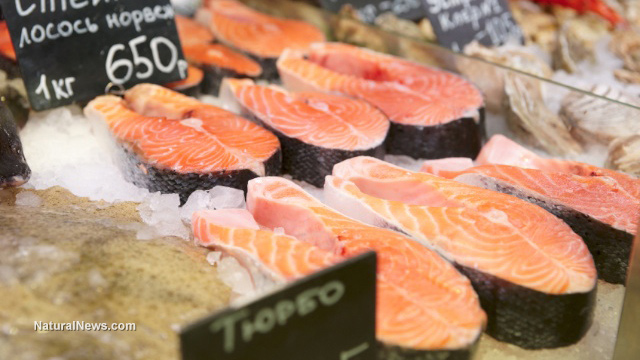
Fatty fish consumption slashes risk of prostate cancer by 43 percent

11/7/2006 - Men who eat just one serving of salmon per week reduce their risk of developing prostate cancer by 43 percent, compared to men who do not consume fish, according to new research published in the online edition of the International Journal of Cancer. Researchers from the Karolinska Institute in Stockholm...

Whole wheat diet reduces breast cancer risk in offspring, study reveals

11/7/2006 - Adult rats that ate whole wheat products during pregnancy were less likely to have female offspring that develop breast cancer, according to a new study. The new findings indicate that "it might be beneficial to include whole wheat in the diet when one is expecting," according to Dr. Leena Hilakivi-Clarke...

Vitamin D may cut pancreatic cancer risk by nearly half (press release)

11/2/2006 - Consumption of Vitamin D tablets was found to cut the risk of pancreatic cancer nearly in half, according to a study led by researchers at Northwestern and Harvard universities. The findings point to Vitamin D's potential to prevent the disease, and is one of the first known studies to use a large-scale...

Birth control pill linked to breast cancer risk

11/1/2006 - Young women who take oral contraceptive pills before they become pregnant with their first child run a significantly higher risk of developing pre-menopausal breast cancer, according to new international research. Researchers from Altoona Hospital in Pennsylvania examined the results of 34 studies...

Breast cancer risk tripled for women exposed to farm pesticides and chemicals

10/13/2006 - Adolescent girls who work or live on farms may run a higher risk of developing breast cancer later in life, according to a new Canadian study published in the Annals of the New York Academy of Sciences. Researchers from the University of Sterling in Scotland conducted a study in Canada of 1,100 women,...

UCSD researchers state vitamin D needed to cut cancer risk (press release)

9/15/2006 - Taking 1,000 international units (IU) of vitamin D3 daily appears to lower an individual's risk of developing certain cancers – including colon, breast, and ovarian cancer – by up to 50 percent, according to cancer prevention specialists at the Moores Cancer Center at the University of California, San...

Low Vitamin D Levels Associated with Increased Total Cancer Incidence (press release)

9/6/2006 - Low levels of vitamin D may be associated with increased total cancer incidence and mortality in men, particularly for cancers of the digestive system, according to a study in the April 5 issue of the Journal of the National Cancer Institute. Previous studies have suggested that sunlight exposure...

Excess pounds may raise ovarian cancer risk (press release)

8/16/2006 - Being overweight in young adulthood or later in life may raise a woman's risk of ovarian cancer, particularly if she's never had children, researchers have found. In a study of 2,110 women with and without ovarian cancer, researchers found that those who were relatively heavy, either in recent years...

Vitamin D and Flavonoids Examined for Impact on Breast and Ovarian Cancer (press release)

7/27/2006 - While risk factors for breast and ovarian cancers include menopause, obesity, family history and specific genetic mutations, researchers also are looking at the role of diet in the development, as well as the treatment and prevention of these tumors. At the 97th Annual Meeting of the American Association...

Breast cancer risk heightened by carrying excess weight

7/13/2006 - The risk of breast cancer in post-menopausal women can be substantially reduced by losing weight, according to a new study in the Journal of the American Medical Association. Researchers tracked 87,000 women for 26 years, and found that if post-menopausal women lost at least 22 pounds, their breast...

Early estrogen exposure leads to later prostate cancer risk (press release)

7/12/2006 - A study in the June 1 issue of Cancer Research presents the first evidence that exposure to low doses of environmental estrogens during development of the prostate gland in the male fetus may result in a predisposition to prostate cancer later in life. The...

Selenium-protein deficiency raises prostate cancer risk (press release)

6/30/2006 - Selenium, an essential dietary mineral that can act as an antioxidant when incorporated into proteins, has been shown in many studies to reduce the incidence of cancers -- notably lung, colorectal and prostate. "The problem is, nobody seems to know how the mechanism works, and that's not trivial,"...

Mammograms, X-rays may boost breast cancer risk by 250%

6/27/2006 - An International Agency for Research on Cancer study showed that chest X-rays may increase women's chances of developing breast cancer. The study involved 1,600 women with high-risk BRCA1 and 2 gene mutations. "If confirmed in prospective studies, young women who are members of families known to...

Mammograms cause breast cancer (and other cancer facts you probably never knew)

8/15/2005 - Breast cancer is the leading cause of death among American women between the ages of 44 and 55. Dr. Gofinan, in his book, Preventing Breast Cancer, cites this startling statistic along with an in-depth look at mammographic screening, an early-detection practice that agencies like the American Cancer...

Bacon, sausage, hot dogs and processed meats hike cancer risk by 67% due to chemical preservative, says nutritionist

4/22/2005 - A chemical added to processed meat products is responsible for a 67% increased risk in pancreatic cancer, says author and nutritionist Mike Adams. The conclusions are based in part on research conducted at the University of Hawaii that reveals a 67% increased risk of pancreatic cancer in people who...

Processed meat consumption results in 67% increase in pancreatic cancer risk, says new research

4/20/2005 - Consuming processed meats increases the risk of pancreatic cancer, says new research conducted at the University of Hawaii that followed nearly 200,000 men and women for seven years. According to lead study author Ute Nothlings, people who consumed the most processed meats (hot dogs and sausage) showed...

Elderly women benefit strongly from nutrition and lifestyle changes, new research reveals

8/19/2004 - A new study reveals that it is never too late to make lifestyle changes that dramatically reduce your risk of cancer. It contradicts the common myth that it's too late to make changes if you are in your 50's or 60's. In contrast, the study revealed that out of 29,000 women between the ages of 55 to...

Breast cancer blamed on vitamin D receptor gene; but it's actually caused by a simple nutritional deficiency

8/8/2004 - Recent headlines have talked about the correlation between vitamin D deficiency and breast cancer, but many of the articles have highlighted a genetic variance that, when present, nearly doubles the risk of breast cancer. This gene is called the vitamin D receptor gene (VDR), and was found to significantly...

See all 81 cancer risk feature articles.

Concept-related articles:

cancer:children:risk:research:mothers:vegetables:fruits and vegetables:fruits:survey:eating:fruit:healthy:glycemic index:sugar:diet:carbohydrates:

Share
Share/Save/Bookmark
Receive email news alerts about cancer risk from the Health Ranger
Your email privacy is 100% protected.

Concepts related to Cancer risk


View cancer risk on NaturalPedia™


Google search on cancer risk

See Google search results on cancer risk (NaturalNews.com site)

See Google search results on cancer risk (entire internet)

See Google Scholar search results on cancer risk (includes scientific, academic and medical journals)

Other Recommended Resources

NaturalNews.TV is a free video website featuring thousands of videos on holistic health, nutrition, fitness, recipes, natural remedies and much more.

CounterThink cartoons are free to view and download. They cover topics like health, environment and freedom.

The NaturalNews Store offers health foods, superfoods, healthy ingredients and natural products at discounted prices directly to consumers.

The Consumer Wellness Center is a non-profit organization offering nutrition education grants to programs that help children and expectant mothers around the world.

Food Investigations is a series of mini-documentaries exposing the truth about dangerous ingredients in the food supply.

The NaturalNews Facebook page has tens of thousands of members who see breaking news announcements while commenting on news stories.

TruthPublishing.com offers alternative health books and free downloadable interviews with top doctors and health authors.

The Honest Food Guide chart is a free, downloadable public health and nutrition chart that dares to tell the truth about what foods we should really be eating.

HealingFoodReference.com offers a free online reference database of healing foods, phytonutrients and plant-based medicines that prevent or treat diseases and health conditions.

The Natural Health Library offers more than fifteen free, downloadable books and interviews on natural health solutions.

HerbReference.com is a free, online reference library that lists medicinal herbs and their health benefits.

NutrientReference.com is a free online reference database of phytonutrients (natural medicines found in foods) and their health benefits. Lists diseases, foods, herbs and more.

Join our natural health e-mail newsletter for free daily updates on health news that matters. Our e-mail newsletter is powered by ArialSoftware's E-Mail Marketing Director newsletter software.

Related books:

Poison in the Food: Hydrogenated Oils

Exposes the horrifying truth about hydrogenated oils and the diseases it causes: birth defects, heart disease, cancer, diabetes and more.
Spam Filters For Your Brain

Your brain is being spammed by 3,000 ads and commercial messages per day. Now you can actually filter out annoying, manipulative messages with the revolutionary brain defense technology revealed in this guide.
How to Halt Diabetes In 25 Days

A down-to-earth guide on halting type-2 diabetes using natural methods: nutrition, food choice, medicinal herbs and more. Provides a 25-day plan for radically altering your body physiology to literally reverse type-2 diabetes.
The Five Habits of Health Transformation

Explores the five most effective, yet effortless strategies for transforming human health. Written for busy people and based on research involving 763 participants, this book reveals which health strategies deliver the most results with the least investment in time, money or effort.
How to Prevent and Reverse Prostate Cancer

Discover the little-known natural health secrets that can prevent and even reverse prostate cancer. This book shows you how to reduce your risk of prostate cancer to near zero using potent, clinically proven health strategies that far surpass anything offered by organized medicine.
The Ten Most Important Emerging Technologies For Humanity

In this book, author Mike Adams takes you on a fascinating tour that ventures far beyond conventional science and dares to suggest that as a civilization, we are spending too much time, money and effort on technologies that really don't help us while ignoring the technologies that can really make a difference in our lives.
Superfoods For Optimum Health: Chlorella and Spirulina

In this free online book, you'll get the astounding truth on how these two superfoods are far more than just "supplements" like vitamins and minerals: they are disease preventing foods from nature that can actually help conquer cancer, diabetes, heart disease, clinical depression, and much more.
Take Back Your Health Power! How to reclaim your natural health power from the doctors, drug companies and food marketers who have stolen your right to be healthy

This courageous report tells you how to take back your power from those who have been exploiting your misfortune for their profit. Learn how to put yourself in control and transform your health outcome from this day forward.
The Five Soft Drink Monsters: how to kick the soft drink addiction for good

This downloadable ebooks reveals how to easily and permanently break the soft drink habit for good. This guide will show you, in clear understandable terms, how to recognize each of the five addictive elements of soft drinks -- and then beat them with a clever strategy that's already worked for thousands.
How to Beat the Bird Flu: how to protect yourself from the coming bird flu pandemic

This downloadable ebook arms you with the information you need to protect you and your family from the possible bird flu pandemic the World Health Organization is warning about.
The Seven Laws of Nutrition

Learn how to transform your health, reverse chronic disease and free yourself from pharmaceuticals by mastering the fundamental laws of nutrition.
The Healing Power of Sunlight and Vitamin D: an exclusive interview with Dr. Michael Holick

In this interview, Dr. Holick reveals fascinating facts on how vitamin D is created and used in the human body to ward off chronic diseases like cancer, osteoporosis, mental disorders and more.
The Healing Power of Water: an exclusive interview with Dr. Batmanghelidj

This exclusive interview with Dr. B reveals how Dr. B. discovered the healing ability of water and pioneered the emerging field of hydro-health. This is a must read report that will forever change the way you think about H2O.
Grocery Warning

How to recognize and avoid the common foods (and food ingredients) that cause disease. Names all the exact ingredients that directly cause heart disease, cancer, diabetes, obesity, depression, osteoporosis, arthritis, high blood pressure, ADHD, behavioral disorders, mood swings and many more.
The Food Timing Diet

Revealed: The Mike Adams secret to shedding body fat, experiencing phenomenal mental and physical energy and eliminating blood sugar swings -- all while eating enormous quantities of health-enhancing (and delicious!) food. Learn why it's not WHAT you eat as much as WHEN you eat!
The Weiss Method For Better Heart Health

Radically improve your heart health in just eight weeks! Discover the natural way to prevent and reverse heart disease with Decker Weiss, NMD, a leading authority on non-invasive heart disease treatments that combine the best of conventional and natural treatments.
The Real Safety Guide to Disease Prevention

More than 80% of all chronic disease is preventable, but only if you know how. Learn the proven, yet simple prevention strategies for cancer, heart disease, diabetes, depression, Alzheimer's and many other degenerative health conditions.
The Real Safety Guide to Beating Cybercrime

Learn how to protect yourself, your children and your finances from cybercime in this sought-after safety guide that covers phishing, online identity theft, auction fraud, spyware, cyberstalking and much more.
The Real Safety Guide to Protecting Your Environment

Teaches you 120 practical, Earth-saving tips and strategies for energy conservation, detoxifying your home and work environments, clean air, clean water, recycling and much more. Instant download and hardcopy editions available. 50% of revenues donated to pro-environment non-profits.
This site is part of the Natural News Network © 2006, 2007, 2008, 2009, 2010 All Rights Reserved. Privacy | Terms All content posted on this site is commentary or opinion and is protected under Free Speech. Truth Publishing International, LTD. is not responsible for content written by contributing authors. The information on this site is provided for educational and entertainment purposes only. It is not intended as a substitute for professional advice of any kind. Truth Publishing assumes no responsibility for the use or misuse of this material. Your use of this website indicates your agreement to these terms and those published here. All trademarks, registered trademarks and servicemarks mentioned on this site are the property of their respective owners.