Alzheimer's news, articles and information:
 | 11/20/2016 - When you see a substantial shift in what is causing most humans to die, there are many questions scientists and researchers should be asking – about changes in the environment, changes in the food and changes in the way we treat illnesses (Big Pharma comes to mind).
So it's likely researchers...
|
 | 11/8/2016 - As the Western diet spreads around the world, so do Alzheimer's disease and other forms of dementia, according to a study published in the Journal of the American College of Nutrition.
The researchers were not surprised by the findings. A large body of research shows that diets high in junk food,...
|
 | 10/20/2016 - According to the Alzheimer's Association, more than 5 million Americans are living with Alzheimer's disease – with a projected death toll of one in three people due to Alzheimer's or another form of dementia. Currently the sixth leading cause of death in the United States, Alzheimer's will cost...
|
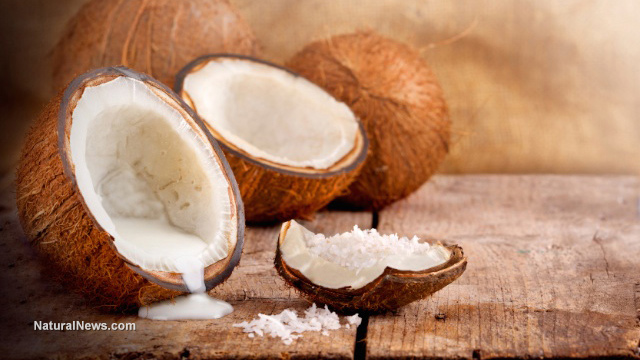 | 9/18/2016 - Reliable conclusions about the causes of Alzheimer's disease remain elusive, and effective drugs to treat the disease remain equally scarce. An actual pharmaceutical cure seems as close to becoming reality as a cure for cancer.
Yet, a Florida doctor was actually able to reverse her husband's Alzheimer's...
|
 | 9/3/2016 - Cases of Alzheimer's disease are on the rise. More than 5 million Americans currently suffer from the devastating condition, and it is the sixth leading cause of death in the United States.
Drug-based treatments for Alzheimer's have been disappointingly ineffective, but there is a growing body of...
|
 | 7/29/2016 - Using its well-funded position as the authoritative voice on Alzheimer's, the Alzheimer's Association has made some odd statements regarding certain factors believed to contribute to the risk of Alzheimer's. On its website, the organization claims that known probable and potentially contributing factors...
|
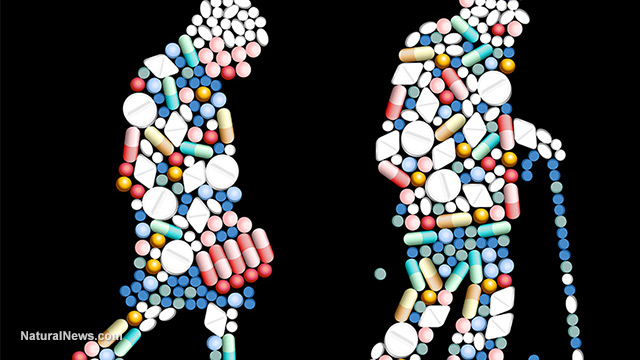 | 7/23/2016 - We are living in an age of massive censorship, collusion and criminality by the internet's top gatekeepers. Google, Facebook and Twitter are all deeply corrupt, compromised organizations, and they systematically censor everything they don't want you to see. For example, Twitter was just caught censoring...
|
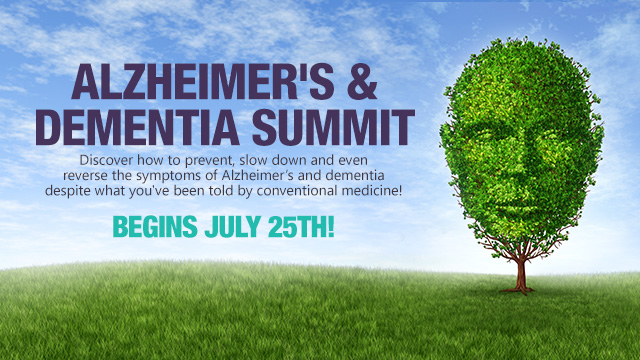 | 7/19/2016 - Did you know we already have the knowledge and wisdom to prevent Alzheimer's and dementia in most people? But the pharmaceutical cartel, which depends on future profits from a wave of Alzheimer's and dementia patients, obviously has no financial interest in seeing people prevent these money-making diseases....
|
 | 7/18/2016 - Alzheimer's disease is one of the most debilitating, cruelest diseases on the planet. The sixth leading cause of death in the world, Alzheimer's is most often the culprit behind the development of symptoms associated with dementia, such as memory loss, confusion, and the inability to recognize people...
|
 | 7/17/2016 - Brain disorders, including memory loss, are some of the highest-ranking health concerns afflicting the world today. According to research conducted by the Alzheimer's and Dementia Summit, someone gets diagnosed with Alzheimer's or dementia every three seconds.
Aside from being the sixth leading cause...
|
 | 7/15/2016 - A new eye test that is simple to perform could help primary care providers effectively diagnose Alzheimer's disease many years before signs and symptoms show up in patients. That means it may also be possible to conduct medication trials for treating or preventing the progression of the disease, according...
|
 | 7/3/2016 - Coaching legend Pat Summitt has died at age 64, after being diagnosed with early-onset dementia just five years ago.
The loss of the beloved University of Tennessee women's basketball coach at such an early age has highlighted the importance of Alzheimer's research, as well as of events such as the...
|
 | 7/2/2016 - If you were looking for an excuse to drink more champagne, we have some good news for you. Now you don't have to wait for New Year's Eve or your anniversary to break out the bubbly, as a study from a respected university shows that drinking champagne can help to prevent Alzheimer's disease and dementia.
(Upcoming:...
|
 | 7/1/2016 - Cases of Alzheimer's are on the increase, with one out of nine Americans over 65 now suffering from the disease, according to the Alzheimer's Association.
(Upcoming: Attend the FREE online Alzheimer's and Dementia Summit by signing up here.)
There are 5.4 million Americans with Alzheimer's - roughly...
|
 | 6/23/2016 - Millions of Americans are stricken with dementia and Alzheimer's, while millions more are concerned that they, too, may some day develop these conditions, which currently have no traditional medical cure.
Fortunately a great deal of research on natural and alternative treatments that can either stave...
|
 | 5/4/2016 - Prostate cancer patients who receive hormone therapy as part of their treatment are twice as likely to develop Alzheimer's and face an increased risk of depression, a pair of recent studies has shown.
A common treatment for prostate cancer involves the use of androgen-deprivation therapy (ADT) drugs,...
|
 | 4/22/2016 - Chock full of antioxidants, blueberries are touted as a superfood that can ward off heart disease and cancer. Adding to the list of potential health benefits, a recent study found that blueberries can help provide protection against Alzheimer's disease.
The researchers presented their findings at...
|
 | 4/13/2016 - New surveys show that fear of getting dementia in our old age has replaced the fear of getting cancer, the UK's Daily Mail Online reports, because people believe there have been some advances in cancer care but not in the treatment for Alzheimer's and other dementia-related diseases.
The paper noted...
|
 | 4/10/2016 - Alzheimer's is a progressive disease that gets worse over time and is the most common form of dementia. According to the Alzheimer's Association, it is a disease that normally affects people over 65, however, 5% of sufferers have early-onset Alzheimer's, meaning that they are only in their 40s or 50s.
It...
|
 | 2/17/2016 - Last September, the world of medicine shook their heads in firm disagreement at the study published by U.K. researchers that stated that Alzheimer's disease can be caused by certain medical procedures. Nothing like this had been done or proven in a serious study before and, so far, researchers and doctors...
|
 | 2/11/2016 - A recent study of older adults who consume at least one portion of seafood a week, and who carry a risk gene for Alzheimer's and dementia, found fewer signs of brain changes over time, suggesting that seafood may prevent or at least slow the progression of Alzheimer's.
The study was recently published...
|
 | 1/24/2016 - When a loved one begins to struggle with extreme memory loss and cognitive impairment, we may suddenly be overcome with a loss of words. As dementia or Alzheimer's overtakes a loved one, we often see it as some genetic curse, a tragic genetic code we could never overwrite.
But in the field of epigenetics...
|
 | 5/21/2015 - You've probably read about the positive effects of coconut oil's medium-chain triglycerides (MCTs) to produce ketones that energize brain cells with dysfunctional brain metabolism and even reverse Alzheimer's disease (AD).
Alzheimer's rate of occurrence has increased exponentially over the past few...
|
| 4/3/2015 - Scientists have successfully used ultrasound waves to break up the amyloid plaques in the brains of mice with a form of Alzheimer's disease, in a study conducted by researchers from the University of Queensland in Australia and published in the journal Science Translational Medicine.
The intervention...
|
 | 2/17/2015 - A new study is linking commonly used medicines, which include over-the-counter treatments, of ailments like hay fever and insomnia to dementia and possibly Alzheimer's disease.
According to the BBC, researchers in the study noted that all of the medications examined are drugs that produce an "anticholinergic"...
|
 | 2/7/2015 - My grandmother Ester died after suffering from Alzheimer's disease, and for the last 12 years of her life she did not recognize anyone from her immediate family, including her husband, her children or her grandchildren. She became violent in the end, and she basically starved herself to death. The hospital/extended...
|
 | 1/27/2015 - A debilitating disease that causes difficulty remembering recent conversations, names or events, Alzheimer's, is the sixth leading cause of death in the United States, affecting more than 5 million Americans.
Women are particularly at risk for the disease, making up two-thirds of Alzheimer's cases....
|
 | 11/3/2014 - A recent clinical trial was jointly conducted by the UCLA Mary S. Easton Center for Alzheimer's Disease Research, located in Los Angeles, CA, and the Buck Institute for Research on Aging in Novato, CA, 30 miles north of San Francisco. Those two combined resources to try a new approach for Alzheimer's...
|
 | 9/26/2014 - Drug companies are always coming up with new ways to keep people taking their product. By bribing hospitals and doctors, drug company executives can push their rubberstamped snake oil into the medical system, where's its suddenly considered medicine. (British pharmaceutical giant GlaxoSmithKline was...
|
 | 8/25/2014 2:04:09 PM - New research conducted by the University of Huddersfield, a public university located in West Yorkshire, England, suggests that a chemical compound found in pomegranates can slow degenerative diseases like Parkinson's and Alzheimer's.
Alzheimer's disease and other forms of dementia occur when brain...
|
 | 8/14/2014 - You may have noticed the flurry of new dietary supplements containing cannabinoids (CBDs) -- active chemical constituents of the cannabis plant. People everywhere are discovering the power of CBDs to reduce pain, enhance mood, relax the nerves and even help prevent chronic disease.
But what most...
|
 | 8/13/2014 - The most comprehensive study yet to be conducted on the subject has revealed that vitamin D levels really do affect dementia risk. An expert, multidisciplinary team of researchers hailing from some of the best schools in the world found that elderly folks severely lacking in vitamin D are more than...
|
 | 7/29/2014 - Alzheimer's disease has become the third-leading disease cause of death, behind heart disease and cancer. Its rate has risen almost exponentially over the past few decades, and the numbers are expected to triple by 2050. [1]
Meanwhile, Big Pharma is clueless, which is a blessing in disguise, as some...
|
 | 5/13/2014 - Two decades of dedicated research has clearly revealed that dementia and specifically the dreaded diagnosis of Alzheimer's disease can be prevented or even halted by making lifestyle modifications toward a natural food diet that excludes processed and refined junk foods as well as following a regular...
|
 | 3/31/2014 4:09:59 PM - Evidence continues to emerge that general anesthetics commonly used in surgery may actually produce some of the brain changes that lead to Alzheimer's disease.
Researchers have known for many years that certain patients experience dementia-like symptoms following surgery. In 2007, a team of researchers...
|
 | 3/25/2014 - Extensive research over the past twenty years has repeatedly shown that Alzheimer's dementia is largely the result of a variety of lifestyle factors that promote the development of amyloid plaques and tau proteins in the brain that usher the onset of this dreaded disease. A diet high in processed carbohydrate...
|
 | 3/12/2014 - With symptoms such as deterioration in memory and mental functions that worsen over time and leave the afflicted person often incapable of independent living, Alzheimer's disease may be a condition that you are very much concerned about as you or your loved ones approach 65 - the age when Alzheimer's...
|
 | 3/12/2014 - It has recently been discovered that one of the causes of Alzheimer's disease could be an overabundance of bad (LDL) cholesterol, while an abundance of good (HDL) cholesterol has been shown to discourages its onset. The substance known as amyloid plaque, which has been associated with Alzheimer's disease,...
|
 | 3/3/2014 - Volumes of current research now clearly demonstrate that Alzheimer's disease, though influenced to a small degree by genetic predisposition, is largely caused by a confluence of lifestyle indiscretions over the course of one's early and mid-life years. Prior studies have shown that a diet consisting...
|
 | 2/21/2014 - Most people associate Alzheimer's disease with older individuals, and indeed, being diagnosed with the affliction generally does not happen until later in life.
But a new study, which was published recently in the medical journal Neurology, has found that people who are currently dementia-free but...
|
 | 2/6/2014 - Alzheimer's disease is a neurodegenerative condition that adversely affects cognitive functioning. With about 44.4 million people worldwide displaying some type of dementia disease, Alzheimer's is the most common disease of its type. While the symptoms of Alzheimer's disease can vary, some of the more...
|
 | 2/4/2014 - Riddled with deposits of a peptide called beta-amyloid, the brain can become consumed with plaque, which builds up in the spaces between nerve cells. When nerve cells begin to die off, symptoms of Alzheimer's disease set in.
Natural flavanol works beyond plaque to restore memoryIn areas of the brain...
|
 | 2/3/2014 - Newly minted research studies continue to extol the critical nature of the omega-3 fatty acids DHA and EPA in preserving and maintaining optimal metabolic and brain health. In the past, researchers have identified and clearly demonstrated that eating fish or supplementing with a high-quality fish oil...
|
 | 2/3/2014 - Even after being banned more than 40 years ago, the pesticide DDT continues to affect the lives of people today, beckoning infertility and other deeply concerning health conditions. Researchers are now finding out how the pesticide affects the nervous system. In 1972, when the US banned DDT from commercial...
|
 | 12/5/2013 - Susan Farr, PhD, professor of geriatrics at St. Louis University School of Medicine, presented her preliminary findings regarding herbs that can reduce cognitive decline at a Society for Neuroscience conference, Neuroscience 2013. The herbs tested were rosemary and spearmint.
Dr. Farr's study used...
|
 | 10/24/2013 - A diagnosis of Alzheimer's disease is a significant fear for the vast majority of adults over the age of 50, as this memory-robbing illness continues to strike aging Americans at an ever increasing rate. The cost to care for Alzheimer's patients could eventually topple our failing medical insurance...
|
 | 9/16/2013 - There is little doubt that the gradual decline in memory and cognitive function that can be the first signs of impending dementia and Alzheimer's disease is one of the most serious health problems facing millions of aging adults in most western societies. What is even more staggering is that many people...
|
| 8/22/2013 - Over the past 50 to 100 years, the incidence of new Alzheimer's disease cases have remained relatively low, partly due to poor diagnostic techniques, but to a much larger extent, because the root dietary and lifestyle practices that precipitate this devastating illness were minimized or non-existent....
|
 | 8/21/2013 - Alzheimer's disease is characterized by an unnatural accumulation of amyloid plaque aggregates around nerve synapses that block the transmission of electrical and chemical transmitters that allow the brain to retain a high level of cognitive function and to store and retain memories. Millions of middle...
|
 | 8/13/2013 - Alzheimer's disease recently escalated to become the sixth leading cause of death in the US, as five million people presently live with the disease, causing an estimated 210 billion dollars in health care costs each year. Amazingly, one in three people will die with some form of Alzheimer's disease...
|
 | 8/9/2013 - As more research becomes available, it is increasingly clear that breastfeeding children provides infinitely more long-term health benefits to both baby and mom. Now, a new study shows that mothers who breast feed run a lower risk of developing Alzheimer's disease later in life.
The research, which...
|
 | 7/2/2013 - Alzheimer's disease is characterized by a loss of short-term memory, cognition and thought processes that define a person's personality, and new cases are exploding exponentially. Though allopathic physicians and researchers maintain there is no known cause or treatment for the ultimately fatal illness,...
|
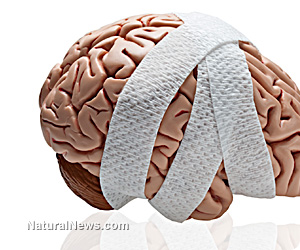 | 7/1/2013 - Newly diagnosed cases of Alzheimer's dementia have steadily skyrocketed over the past half century, suspiciously coinciding with the rise in meals consumed in fast food restaurants and the marketing of convenience products that consist largely of saturated and hydrogenated fats along with refined carbohydrates....
|
 | 6/26/2013 - Promising research on goji berry (Lycium barbarum) has shown a positive correlation between consumption of the fruit and neuroprotective benefits that minimize the ravaging effects of Alzheimer's. These findings give a ray of hope to the over 4.5 million Americans who suffer from the disease. A staple...
|
 | 6/12/2013 - A proposed law on the verge of approval by the Belgium parliament would allow children to decide for themselves whether they should be euthanized ("killed") by medical personnel. Currently, Belgian law limits euthanasia to persons 18 and older, but with the rise of autistic children thanks to biopesticides,...
|
 | 6/10/2013 - The number of people suffering from Alzheimer's dementia worldwide currently totals 30 million, with new cases expected to triple by the year 2050. What has changed over the past 50 years to account for such an epidemic rise in this once extremely rare disease, now being diagnosed more increasingly...
|
 | 6/8/2013 - Alzheimer's disease is pathologically characterized as a reduction in brain volume, commonly referred to as shrinkage, as well as amyloid protein tangles that prevent efficient communication between neurons by altering chemical and electrical signaling. Fortunately, many natural nutrients (curcumin,...
|
 | 6/2/2013 - A popular skin cancer drug that researchers last year claimed might aid in the treatment of Alzheimer's disease has been exposed as a complete and total hoax. As reported by ChicagoTribune.com, bexarotene does not appear to pass the authenticity test after all, as recent follow-up studies to the original...
|
 | 5/5/2013 - Positive health benefits abound in the multi-colored flavonoids found in all berries, especially blueberries and strawberries. Nutrition experts and a wealth of scientific reports show that berry consumption lowers levels of dangerous inflammation within the trillions of cells throughout our body, and...
|
 | 4/23/2013 - Alzheimer's disease is a neurodegenerative brain condition that comes with a multibillion-dollar per year cost to the American public, and its takeover doesn't seem to be slowing down. It is estimated that in 2013 alone, Alzheimer's disease will cost Americans more than $200 billion. With its prevalence...
|
 | 3/24/2013 - For the medical cartel, Autism and Alzheimer's are big, big business. Profits are soaring.
These two conditions are promoted as specific diseases. That's where all the trouble starts.
If you read the Alzheimer's and Autism definitions, which are the criteria for diagnosis contained in the psychiatric...
|
 | 3/14/2013 - As new cases of Alzheimer's disease are expected to quadruple over the next several decades, Big Pharma researchers are plowing billions of research dollars into finding a synthetic cure for an illness that has its roots deeply seated in poor diet, excess stress and a generally unhealthy lifestyle....
|
 | 3/7/2013 - You can prevent (and reverse) dementia, Alzheimer's disease, ALS, multiple sclerosis, plus many other neurodegenerative disorders by eating coconut-related foods. This is not just a "health nut" making these claims - it's all backed by scientific research and touted by many natural healthcare professionals...
|
 | 2/20/2013 - According to the figures, some 20 million Americans either suffer themselves from Alzheimer's disease or some other form of dementia, or have a family member who does. And as the current generation of "baby boomers" ages into its senior years, this figure is only expected to increase dramatically. But...
|
 | 2/14/2013 - Chemicals naturally occurring in green tea and red wine can actually put a stop to the process that leads to brain damage in Alzheimer's disease, according to a study conducted by researchers from the University of Leeds and published in the Journal of Biological Chemistry.
"This is an important...
|
 | 1/31/2013 - Monosodium glutamate, or MSG, is a food additive used as a preservative and flavor enhancer, and is found in nearly all foods in varying amounts, and under multiple names. This noxious additive creates substantial side effects and has been implicated as a poison that can intensify symptoms of Alzheimer's...
|
 | 12/30/2012 - Researchers at Johns Hopkins University are carrying out clinical tests in which a pacemaker-like device is implanted into the brains of patients with early-stage Alzheimer's disease.
"We are very excited about the possibilities of this potentially new way to treat Alzheimer's," said lead researcher...
|
 | 12/18/2012 - What if a test of thinking abilities used to analyze whether Big Pharma drugs can help slow or treat Alzheimer's weren't actually accurate? And what if researchers had been relying on this screwed up test for decade upon decade? As amazing as it sounds, that appears to be the case.
Research led by...
|
 | 12/11/2012 - The leaf of the Ginkgo biloba tree, also known as the Maidenhair tree, has been used around the world, particularly in Asia, for thousands of years to improve mental functions and treat other conditions. Native to China, this large tree, normally reaching heights of 20-35 meters, is a species with no...
|
 | 12/5/2012 - Higher blood saturation levels of vitamin D have been conclusively shown to lower the risk for a myriad of chronic illnesses including heart disease, cancer, stroke and diabetes. More recent scientific studies are beginning to draw a solid connection between intake of the sunshine vitamin and how well...
|
 | 12/4/2012 - Here's another blow to the idea that doctors and scientists are only using their research findings to help patients. It turns out there's a way to make money off drug research that doesn't even involve marketing the drugs. Although it's illegal, it's obviously a tempting way for some greedy folks unencumbered...
|
 | 11/30/2012 - An overwhelming amount of evidence has been released in scientifically validated, peer reviewed research studies to confirm that many chronic illnesses are not the result of natural aging, but rather years and decades of sub-optimal nutrient intake, consumption of processed and synthetic foods and exposure...
|
 | 10/30/2012 - There are a number of reasons why a high-carb diet is not wise, but new research has added yet another reason why you cut down on the pasta: You are more likely to develop Alzheimer's disease.
A new study that was recently released found that older adults who load up on carbs have close to four times...
|
 | 10/11/2012 - Ginkgo biloba is an herb that has been used for thousands of years for various treatments. Studies have recently focused on the leaf's memory-enhancing effects for the treatment of Alzheimer's, although there have been conflicting results.
The National Institute on Aging estimates that around 5.1...
|
| 10/4/2012 - Alzheimer's dementia is a devastating disease characterized by loss of normal thought parameters and memory that will strike one in ten over the age of 65 and nearly half by the time they reach 85. These scary statistics mean that virtually everyone will be touched in some way by this insidious illness...
|
 | 9/30/2012 - Medications are nutrition. That's essentially the rationale behind a couple of Big Pharma corporations' decision to give a failed Alzheimer's drug a second chance.
In early August, Pfizer and Johnson & Johnson said they were ending large-scale clinical trials of their experimental drug bapineuzumab...
|
 | 9/21/2012 - Alzheimer's dementia strikes fear in millions of aging individuals, as this memory robbing disease strikes one in eight older Americans and more than half over the age of 80. Pharmaceutical companies have lined up in an attempt to find a synthetic pill that will prevent or treat this condition. Despite...
|
 | 9/18/2012 - Omega-3 fats from foods including fish, chicken, nuts, and seeds are preferentially sequestered after consumption and used for critical functions to maintain optimal brain metabolism and function. These long-chain fats are used to form the highly permeable cell wall membrane of nerve cells, as electrical...
|
 | 9/3/2012 - As obesity rates continue to soar among all age groups in the U.S. and most other countries, the incidence of chronic diseases spawned by excess abdominal fat follows on a parallel course. Medical scientists have repeatedly confirmed that risk for heart disease, diabetes, stroke, cancer and dementia...
|
| 8/18/2012 - As the number of people suffering from the most common form of dementia, Alzheimer's disease, continues to rise at a staggering pace, researchers increasingly look at natural compounds and lifestyle changes to halt the progression of this horrific illness. Past studies have identified grape seed extract,...
|
 | 8/13/2012 - We are exposed to dangerous chemical compounds every day from a variety of household and environmental sources as well as from most processed foods. Extensive research has shown that these synthetic compounds promote the development and progression of diseases such as cancer, heart disease and dementia....
|
 | 8/6/2012 - Emerging research on the widespread degenerative brain disease known as Alzheimer's suggests that this prevalent form of dementia is actually a type of diabetes. Published in the Journal of Alzheimer's Disease, a recent study out of Rhode Island Hospital (RIH) confirms that Alzheimer's is marked by...
|
 | 5/22/2012 - Incidence of Alzheimer's disease cases continue to explode at an unprecedented rate as processed food diets, overweight and obesity become the norm for middle and senior aged adults in the US and most western societies. By the year 2050, it's projected that 13.2 million adults will suffer from this...
|
 | 5/17/2012 - Alzheimer's sufferer, Peter Russel From Epworth , Lincoln-shire UK, was shot with a Taser weapon several times because he refused to go into care. As reported in The Telegraph and on the local Calendar News TV, the 58 year old man had refused to go into care after being sectioned under the mental health...
|
| 5/5/2012 - Scientific studies have previously demonstrated that many lifestyle factors as well as diet can have a major impact on genetic expression that either promotes or inhibits the development of Alzheimer's dementia. Recent studies have demonstrated that insulin signaling and resistance in the brain result...
|
 | 4/20/2012 - Alzheimer's disease is characterized by an initial loss of short term memory and the ability to form rational and permanent thoughts. Protein tangles known as tau aggregates strangle neural synapses, blocking the vital flow of neurotransmitter and electrical signals necessary to form memories and personality....
|
 | 3/23/2012 - New diagnosis of Alzheimer's disease cases continue to mount at an unprecedented rate, threatening both the lives of those suffering from this dreaded illness and the health care system itself, as billions are spent to care for the millions suffering from this lifestyle-mediated disease. New hope is...
|
 | 2/23/2012 - Magnesium, the fourth most abundant mineral in the body, plays a crucial role in activating over 300 chemical responses. It is responsible for the proper formation of bones, maintaining normal muscle function, regulating body temperature, and proper absorption of calcium. Increasingly, medical science...
|
 | 2/23/2012 - Reliable conclusions about the causes of Alzheimer's disease remain elusive, and effective drugs to treat the disease remain equally scarce. An actual pharmaceutical cure seems as close to becoming reality as a cure for cancer (i.e. nowhere in sight). Yet a Florida doctor was actually able to reverse...
|
 | 2/21/2012 4:09:14 PM - Scientific research bodies extolling the amazing virtues of the prohormone vitamin D have been published in rapid succession to explain the preventive mechanism shown to prevent cardiovascular disease, diabetes and Alzheimer's disease. Three independent reviews demonstrate that maintaining a vitamin...
|
 | 2/19/2012 - Alzheimer's disease presently ranks as the sixth leading cause of death in the US, as the number of new cases is projected to triple by the year 2050 and affect as many as sixteen million people. The result of a new study presented at the American Academy of Neurology's 64th Annual Meeting has found...
|
 | 2/2/2012 - A new study demonstrates that an active brain is just as essential to continued health as an active body. Researchers have learned that fewer deposits of beta-amyloid, a destructive protein associated with Alzheimer's, appear in the brain scans of people who engage in mental stimulating activities throughout...
|
 | 1/20/2012 - Researchers reporting in the prestigious journal, Neurology have found that proper diet and specific nutrients can lower the risk of brain shrinkage by nearly forty percent. Other lifestyle factors including degree of education and elevated blood pressure combined with a healthy diet can slash brain...
|
| 1/16/2012 2:09:45 PM - Ongoing research is being performed to investigate the cause of Alzheimer's disease. A form of dementia, Alzheimer's robs its victims slowly of their cognitive powers, intelligence, memories and eventually, their lives. Scientists don't know for sure how Alzheimer's develops; however, emerging evidence...
|
 | 1/9/2012 10:18:38 PM - Recent research suggests that drinking caffeinated coffee daily may protect against developing Alzheimer's disease, diabetes, prostate cancer, depression and more, according to reports from Science Daily. Animal studies at the University of Florida discovered an ingredient in coffee that interacts with...
|
 | 12/27/2011 - With an aging population and no cure on the horizon for memory and life-robbing Alzheimer's disease (AD), it's hard not to fear this 6th leading cause of death in the US -- especially if you know this nightmarish form of dementia runs in your family and you could be at increased risk for AD. What's...
|
 | 12/26/2011 - Researchers from the University of Pittsburgh found that people who eat baked or broiled fish on a weekly basis may be improving their brain health and lowering their risk of developing Mild Cognitive Impairment (MCI) and Alzheimer's disease. The results, released at the annual meeting of the Radiological...
|
 | 12/16/2011 - A huge leap in the natural treatment of Alzheimer's disease was recently reported at the Neuroscience Conference in Washington by the National Center for Homeopathy. Homeopathic manufacturer and research organization, Heel, presented studies on a multi-target, combination homeopathic medicine that has...
|
 | 12/9/2011 - Many lifestyle factors are associated with the development of the memory-robbing form of dementia known as Alzheimer's disease. Smoking, diet, lack of exercise and poor B-vitamin status all contribute to the sixth most prevalent cause of death each year in the US. Past studies have shown that excess...
|
 | 11/30/2011 - According to the National Institute on Aging, as many as 5.1 million Americans may already have the progressive brain disease known as Alzheimer's, and those numbers are expected to increase as the population ages. What's more, countless people also suffer from mild cognitive impairment (MCI). Although...
|
 | 11/8/2011 - Alzheimer's disease is becoming an epidemic among baby boomers. But mainstream medicine cannot reverse Alzheimer's. They do offer medications intended to make dementia more bearable, but with unbearable side effects. Meanwhile, Big Pharma's quest for patents ignores evidence of a few safe natural substances...
|
| 11/6/2011 - Proper nutritional status, attained by consuming a healthy diet teamed with natural vitamins and minerals along with optimization of omega fat lipid ratios, can help to prevent cognitive decline associated with Alzheimer's disease (AD) pathology. Researchers studying the effects of nutrition at Oxford...
|
| 9/20/2011 - Currently, an estimated 24 million people world-wide are living with Alzheimer's disease or some other type of the mind and personality-robbing affliction known as dementia. And the numbers keep climbing. But why? Mainstream medicine puts the blame on the fact people are living longer and genetics offers...
|
 | 8/28/2011 - Go ahead and tell someone that they should give their loved one, who is suffering from Alzheimer's Disease (AD) or Dementia, a dose of vitamin B12 that is 300 times the recommended daily intake, and they'll probably cover their ears and run the other way or tell you they are afraid of "overdosing."
In...
|
| 8/26/2011 - Big Pharma has come up with a host of side effect laden, expensive drugs to supposedly treat Alzheimer's disease (AD). So far, the prescription meds work only a little or not at all -- and for just a short time. But while mainstream medicine considers AD treatment pretty hopeless at present, a host...
|
 | 7/31/2011 - A trial involving a new Alzheimer's drug currently being developed by pharmaceutical giant Bristol-Myers Squibb has revealed that the drug may be the cause of a severe form of brain swelling known as vasogenic edema.
And the industry-funded study is not the first to identify a link between the condition...
|
 | 7/27/2011 - If you've ever had a relative fade away from you and lose the ability to remember names, faces, events and even how to get dressed or hold a cup of coffee, you know the heartbreaking horror of the disease known as Alzheimer's (AD). And let's face it, the prospect of one day having AD is downright terrifying....
|
| 7/20/2011 - Several recent studies (1, 2, 3, 4, 5, 6) are demonstrating a number of common factors in the cause and progression of Alzheimer's disease (AD) and diabetes mellitus. These include impaired glucose utilization due to insulin resistance, a decrease in growth factors such as IGF-1 and IGF-2, lowered energy...
|
 | 7/19/2011 - Over the past few years, researchers have come up with a mountain of evidence that vitamin D is extremely important to maintaining health and preventing and even treating a host of health problems. For example, studies have shown that too little vitamin D may trigger breast cancer, rheumatoid arthritis...
|
| 6/20/2011 - Can dietary practices impact memory and affect Alzheimer's risk? A recent study published in Archives of Neurology found that a healthy diet may lower levels of brain chemicals linked to Alzheimer's disease, while an unhealthy diet may raise them: Mail Online reports. Furthermore, a healthy diet may...
|
 | 6/14/2011 4:45:20 PM - My world is full of coconuts, including coconut oil and coconut milk. That's not unusual because I live on Maui. But I'm happily seeing coconut oil all over the internet as the treatment for dozens of conditions and possibly hundreds of symptoms.
My first clue as to the wonders of coconut oil came...
|
| 5/3/2011 - A recently published study on a popular Alzheimer's disease drug demonstrated that there is no significant difference between patients taking the prescription drug and those taking a placebo. With one in seven Americans over the age of 71 affected by some form of dementia, the popularity of pharmaceuticals...
|
| 4/4/2011 - Ignore mainstream medicine's "remedies" for mental problems. There are several safer and less expensive alternatives for mild or acute levels of dementia. Mild levels of dementia include mental fog and forgetfulness. Acute dementia includes Alzheimer's disease. And other mental issues regardless of...
|
 | 2/25/2011 - Scientists tend to describe their research and findings with facts and figures only, leaving out any emotion. But Prof. Daniel Michaelson of Tel Aviv University's Department of Neurobiology has uncovered something so potentially groundbreaking he called it "exhilarating" in a statement to the press.
What...
|
| 2/23/2011 - If you're over 50, chances are you've begun to notice some memory loss. Even in perfectly healthy adults with exceedingly active brains, the hippocampus - a part of the brain important to the formation of memories - begins to atrophy around the age of 55. As this happens, no doubt you begin to wonder,...
|
| 1/28/2011 - A study reported in the December edition of the Archives of Neurology has found that higher levels of cholesterol may protect the elderly from Alzheimer`s. http://archneur.ama-assn.org/cgi/content/short/67/12/1491 The study was conducted by Christiane Reitz and colleagues at Columbia University`s Taub...
|
| 1/19/2011 - While pharmaceutical companies continue their campaign to lower the nation's cholesterol levels with statin drugs, a new study finds that higher levels of high-density lipoprotein (HDL), which is often called "good" cholesterol, appear to be associated with a reduced risk for Alzheimer's disease in...
|
| 1/5/2011 - A doctor says that taking just four teaspoons of coconut oil per day reversed her husband's dementia.
Mary Newport is the medical director of the neonatal intensive care unit of Spring Hill Regional Hospital in Florida. In 2003, her husband Steve began showing symptoms of Alzheimer's disease.
"The...
|
| 1/3/2011 - Alzheimer's researchers are pushing for the disease to be redefined so that treatment can begin years earlier than under current practices.
Alzheimer's disease is the most common form of dementia, and can currently be conclusively diagnosed only with an autopsy. It already affects more than 26 million...
|
| 10/2/2010 - Turning 30 years of established Alzheimer's dogma on its head, researchers are now increasingly rejecting the theory that sticky plaques in the brain are responsible for the mental degeneration caused by the disease.
"The plaque is not the main culprit in terms of toxicity," said Alzheimer's doctor...
|
 | 9/24/2010 - Degenerative mental diseases like Alzheimer's and dementia continue to ravish the lives of millions around the world. And to make matters worse, the financial burden of caring for dementia patients now tops one percent of the entire world's gross domestic product (GDP). But there are ways to help prevent...
|
| 9/17/2010 - Nature is full of various herbs and spices that protect against disease and even treat and cure it. And according to Chris Kilham, an ethnobotanist and Fox News' "Medicine Hunter", turmeric root -- also known in its extract form as curcumin -- is one such powerful spice that appears to both prevent...
|
| 9/9/2010 - Most likely due to more recently discovered benefits, sage was named "Herb of the Year" in 2001 by the International Herb Association. Its preservative benefits have been known throughout the world for centuries. But now western science has confirmed historically known benefits, which include minimizing...
|
| 6/29/2010 - A recent study conducted by researchers at Columbia University in New York has found that people who eat a diet rich in olive oil, fish, nuts, poultry, and fruits and vegetables, lower their risk of developing Alzheimer's disease by 40 percent.
Dr. Yian Gu, one of the researchers involved in the...
|
| 6/19/2010 - It is estimated that over 5 million people in the US have Alzheimer's disease and many experts believe that number may triple by 2050. Though there is presently no known cure, many recent year studies and anecdotal evidence indicates that proper diet, lifestyle and supplementation can prevent, slow...
|
| 5/10/2010 - Elan Corp. and Transition Pharmaceuticals have called a premature halt on trials on the two highest doses of their experimental Alzheimer's drug ELND005 after the deaths of nine study participants.
"Greater rates of serious adverse events, including nine deaths, were observed among patients receiving...
|
 | 5/7/2010 - An independent panel of supposed experts recently met at the National Institutes of Health near Washington, D.C., to discuss whether or not Alzheimer's Disease can be prevented through dietary and lifestyle changes. After evaluating a handful of studies that deal with the subject, the panel basically...
|
 | 4/21/2010 - Big Pharma drugs that are being used on humans right now and promoted as potential treatments for Alzheimer's disease (AD) could cause the very brain damage and memory loss they are supposed to treat. That's the conclusion of University of California at San Diego (UCSD) scientists who just published...
|
| 4/7/2010 - A 10-year study named the Kame Project found Alzheimer's risk 76 percent lower among those who drank juices more than three times a week. As reported by Susan Sharma, MD, in "Fruit Lowers Risk," April 27-May 3, 2008, in Dementia Weekly, the skins of fruit and vegetables are high in phenols, chemicals...
|
| 2/9/2010 - While doctors are prescribing expensive drugs that can have devastating side effects to slow the progress of Alzheimer`s, new research shows it might be possible to prevent the onset of this cruel disease by something as simple, inexpensive, and safe as a dose of marine oil every day during our younger...
|
| 2/5/2010 - Here's a story about the mammography industry that sounds almost too crazy -- and too greedy -- to be true. But the facts are documented in a new study by University of California at San Francisco (UCSF) researchers. It turns out that unneeded, expensive mammograms are being pushed on elderly women...
|
| 1/17/2010 - The earliest stages of Alzheimer's disease (AD) are marked by a major loss of the brain connections needed to process information and to retain memory. While there are drug therapies used to help delay progression of AD, those medications are loaded with side effects and, if they work at all, the effects...
|
| 1/13/2010 - Researchers from the Salk Institute for Biological Sciences have come to the conclusion that studying the way people age rather than the diseases they develop is the key to preventing disease. Particularly with Alzheimer's Disease, the group believes that the toxic clumps of beta amyloid plagues that...
|
| 12/18/2009 - Research is emerging that casts serious doubt on the major hypothesis as to the cause of Alzheimer's disease, raising questions as to whether scientists really understand the disease at all.
The most effective drug currently in use for the treatment of Alzheimer's is not any of the complex drugs...
|
| 11/1/2009 - For muscle heads, diets high in protein may be just what the doctor ordered, but a growing bicep may come with a cost: a shrinking brain.
According to a recent study published in the journal Molecular Neurodegeneration, when compared to three other diets, high protein diets were the ones that caused...
|
| 9/30/2009 - Research into methods of preventing or reversing the damaging effects on the brain caused by Alzheimer's disease is heating up -- namely with a common spice, turmeric, and something so simple, the sun. A new study by UCLA scientists and colleagues from UC Riverside and the Human BioMolecular Research...
|
| 8/2/2009 - There is probably no more dreaded and feared disease than memory-destroying and life-robbing Alzheimer's. According to the National Institute on Aging (NIA), as many as 2.4 to 4.5 million Americans are currently living with Alzheimer's Disease (AD) and, as Baby Boomers age, those numbers are expected...
|
| 8/2/2009 - A nutrient found in grapes, green tea and cocoa could have a significant impact on the brain cell damage that leads to Alzheimer's disease, according to the results of a new study carried out by scientists at Kings College, London (UK).
A research team headed by Dr Robert Williams, a lead scientist...
|
| 7/7/2009 - According to a new study by scientists at Rhode Island Hospital, millions of Americans could be at risk of serious and even fatal diseases because of chemicals used to fertilizer and to preserve food. Scientists have found a strong link between increasing levels of nitrates and nitrites in our food...
|
| 6/5/2009 - Researchers have found that low serum levels of vitamin D are associated with an increased risk for host of health problems ranging from diabetes and osteoporosis to depression, dental cavities and periodontal disease. What's more, in 2008, numerous studies concluded that people with higher serum levels...
|
| 4/7/2009 - A Mediterranean diet may significantly decrease the risk of Alzheimer's disease and other forms of dementia, according to a study conducted by researchers from the Taub Institute for Research on Alzheimer's Disease and the Aging Brain at Columbia University Medical Center and published in the journal...
|
| 4/6/2009 - Living near power lines may significantly increase a person's risk of death from Alzheimer's disease or senile dementia, according to a new study conducted by researchers from the University of Bern, Switzerland, and published in the American Journal of Epidemiology. The study is the first to definitively...
|
| 4/5/2009 - LoJack Corp., known for its stolen vehicle tracking and recovery systems, has developed an analogous system to track patients with Alzheimer's disease or other conditions that might lead them to become easily lost.
The company is unveiling a new product, LoJack SafetyNet, to help police and caregivers...
|
| 4/2/2009 - New research confirms that diabetics have an increased risk of developing Alzheimer's disease. Researchers from the Karolinska Institute in Sweden and the Stockholm Gerontology Research Center reported that people with diabetes are 70 percent more likely to develop Alzheimer's compared to those with...
|
| 3/9/2009 - Some researchers and doctors are now saying Alzheimer's Disease (AD) is the new diabetes. Beware of any pharmaceutical claims and check the dietary hints at the end of this article first. Though there are similarities between the two disorders, it's too soon to jump to any drugs to prevent AD. Much...
|
| 2/16/2009 - Alzheimer's disease is a much feared condition, especially in view of the soaring numbers worldwide. What can we do to prevent the contraction of this debilitating ailment? Of course, an overall health-promoting lifestyle and dietary protocol would go a long way. How about simple steps to incorporate...
|
| 2/14/2009 - Being more physically fit appears to slow down damage to the brain's memory centers in the early stages of Alzheimer's disease, according to a study conducted by researchers from the University of Kansas Medical Center and presented at the Alzheimer's Association International Conference on Alzheimer's...
|
| 1/28/2009 - The Journal ScienceDaily (Jan. 24, 2009) reported a new study which appeared in the Journal of Alzheimer's Disease. The study was conducted at the Neurodegeneration Research University of Massachusetts Lowell by Dr. Thomas B. Shea and his research team. Their findings provide mounting evidence in the...
|
| 1/21/2009 - A UK research study finds that prescribing antipsychotic drugs "off-label" to calm Alzheimer's patients nearly doubles the risk of patient death over three years. New antipsychotic drugs such as Risperdal, Seroquel and Zyprexa are routinely prescribed to manage aggressiveness and agitation in Alzheimer's...
|
| 1/16/2009 - When people diagnosed with Alzheimer's disease (AD) " act up" and show signs of neuropsychiatric symptoms such as aggression and agitation, they are often given antipsychotic drugs. Now, it turns out, that's a practice that could be deadly. The result of a long-term study , just published online and...
|
 | 1/16/2009 - Fruits rich in polyphenols may help protect against the oxidative stress that has been linked to cognitive decline and Alzheimer's disease, according to a study conducted by researchers from three Korean universities and published in the Journal of Food Science.
"Our study demonstrated that antioxidants...
|
See all 284 Alzheimer's feature articles.Concept-related articles:Sage:Memory:Herb:Research:Evidence:Medicinal:Herbal:Improve:Scientific:Exercise:Patients:WHO:University:Physical:Cancer:Diabetes:
|
 |
Concepts related to Alzheimer's
|
Today's Top Stories on NaturalNews
Today | Week | Month | Year
- These 15 common herbs cure everything from infections to inflammation and indigestion
- Royal Rife: Cancer Cure Genius Silenced by Medical Mafia
- Reverse and eliminate cataracts naturally without surgery
- Colorado Batman shooting shows obvious signs of being staged
- CDC warns Americans to prepare for zombie apocalypse (really)
- Breaking: Courts discreetly confirm MMR vaccine causes autism
- U.S. researchers create 30 genetically modified human babies
- Cancer researchers announce breakthroughs in natural prostate cancer prevention and treatment
- How to overcome insomnia without prescription drugs
- How to heal cavities naturally
- Most honey contains glyphosates, the main ingredient in Roundup
- Natural help for relieving and treating tinnitus
- Warning: Many childhood vaccines contain aborted human fetal protein, DNA
- Prevent or reverse kidney disease and renal failure in cats with Slippery Elm Bark
- Breaking news: Multi-agency armed raid hits Rawesome Foods, Healthy Family Farms for selling raw milk and cheese
- Natural News Labs publishes heavy metals test results for seaweeds and sea vegetables: Kelp, Kombu, Wakame, Nori, Dulse and more
- INVESTIGATION: Three days before Dr. Bradstreet was found dead in a river, U.S. govt. agents raided his research facility to seize a breakthrough cancer treatment called GcMAF
- What's really in vaccines? Proof of MSG, formaldehyde, aluminum and mercury
- U.S. researchers create 30 genetically modified human babies
- The MMR vaccine, autism connection
- Can you avoid cancer by drinking traditional kefir? Here's the science
- Reverse and eliminate cataracts naturally without surgery
- Beat cancer with 35% hydrogen peroxide
- Zeolite detox myths busted: In lab tests, zeolites do NOT bind with aluminum, lead, uranium, mercury or cadmium... only CESIUM
- Evidence-based vaccinations: A scientific look at the missing science behind flu season vaccines
- Apricot Seeds Kill Cancer Cells without Side Effects
- The best and worst forms of magnesium to take as a supplement
- H1N1 vaccine linked to 700 percent increase in miscarriages
- The United Nations 2030 Agenda decoded: It's a blueprint for the global enslavement of humanity under the boot of corporate masters
- Colorado Batman shooting shows obvious signs of being staged
- Institute of Medicine adverse reactions report admits MMR vaccines cause measles, seizures, anaphylaxis and other health problems
- BREAKING: Taiwan bans GMOs from school lunches... mandates GMO labeling nationwide... throws down gauntlet on toxic foods from USA and Monsanto
- Treating Herpes Naturally and with Fewer Side Effects
- Cancer is not a Disease - It's a Survival Mechanism (Book Excerpt)
- The best, and worst, laundry detergents with 1,4-dioxane contamination
- The eight best home remedies and holistic treatments to relieve tinnitus and ringing in the ears
See All Top Headlines...
Most Popular Stories
 |
TED aligns with Monsanto, halting any talks about GMOs, 'food as medicine' or natural healing |
|
 |
10 other companies that use the same Subway yoga mat chemical in their buns |
|
 |
Warning: Enrolling in Obamacare allows government to link your IP address with your name, social security number, bank accounts and web surfing habits |
|
 |
High-dose vitamin C injections shown to annihilate cancer |
|
 |
USDA to allow U.S. to be overrun with contaminated chicken from China |
|
 |
Vaccine fraud exposed: Measles and mumps making a huge comeback because vaccines are designed to fail, say Merck virologists |
|
 |
New USDA rule allows hidden feces, pus, bacteria and bleach in conventional poultry |
|
 |
Battle for humanity nearly lost: global food supply deliberately engineered to end life, not nourish it |
|
 |
Harvard research links fluoridated water to ADHD, mental disorders |
|
 |
10 outrageous (but true) facts about vaccines the CDC and the vaccine industry don't want you to know |
|
 |
EBT card food stamp recipients ransack Wal-Mart stores, stealing carts full of food during federal computer glitch |
|
 |
Cannabis kicks Lyme disease to the curb |
|
|
Recommended Resources
TV.NaturalNews.com is
a free video website featuring thousands of videos on holistic health, nutrition,
fitness, recipes, natural remedies and much more.
CounterThink Cartoons are
free to view and download. They cover topics like health, environment and freedom.
The Consumer Wellness Center is
a non-profit organization offering nutrition education grants to programs that
help children and expectant mothers around the world.
Food Investigations is
a series of mini-documentaries exposing the truth about dangerous ingredients
in the food supply.
Webseed.com offers
alternative health programs, documentaries and more.
The Honest Food Guide is
a free, downloadable public health and nutrition chart that dares to tell the
truth about what foods we should really be eating.
HealingFoodReference.com offers
a free online reference database of healing foods, phytonutrients and plant-based
medicines that prevent or treat diseases and health conditions.
HerbReference.com is
a free, online reference library that lists medicinal herbs and their health
benefits.
NutrientReference.com is
a free online reference database of phytonutrients (natural medicines found in
foods) and their health benefits. Lists diseases, foods, herbs and more.
|
|





