


- The Health Ranger Mike Adams warned that fewer than 10 major companies produced much of America's processed food, often relying on single regional facilities with limited backup capacity or inventory.
- The Quaker Oats plant explosion illustrated how damage to a major production facility could interrupt the availability of familiar products for months.
- Farming, harvesting, processing and transportation all depend on diesel, meaning fuel costs or shipment delays could disrupt multiple stages of the food supply chain.
- Refrigerated trucks, warehouse coolers and supermarket freezers depend on continuous power. A failed compressor or prolonged outage could spoil perishable goods, reduce inventory and delay resupply.
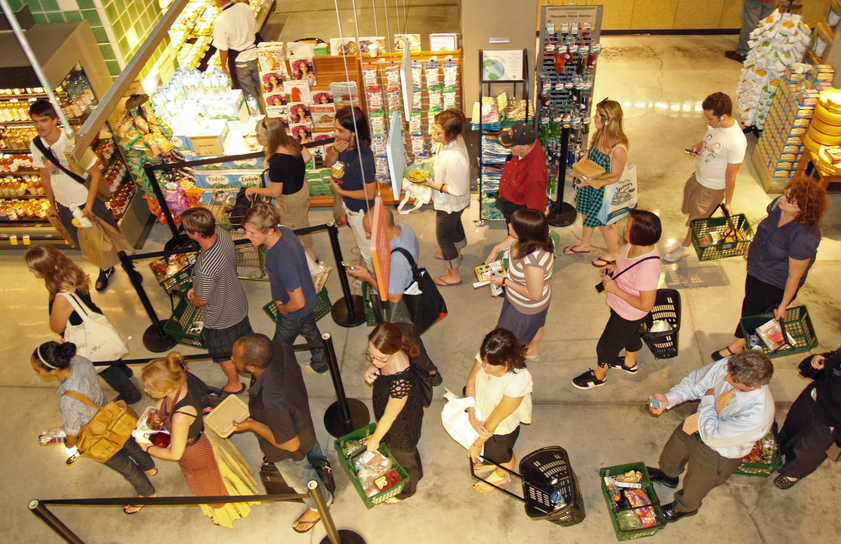
- Adams described a potential progression from panic buying and disputes over remaining food to looting, vandalism and fires. He urged viewers to recognize grocery store activity as an early warning sign of wider supply-chain stress.
What if the first sign of a food crisis was not an empty grocery shelf, but a factory that suddenly stopped producing, a refrigerated truck that failed on the highway or a power outage that turned thousands of dollars' worth of food into waste?
In Episode 3 of "The Health Ranger's Guide to Surviving Global War, Famine, Plandemics and Grid-Down Scenarios," which aired on Nov. 16, Mike Adams examined the vulnerabilities hidden behind the familiar grocery store experience. He described a food distribution system built around centralized production, limited backup capacity, diesel-powered transportation and a cold chain that depended on continuous refrigeration. His central warning was that a disruption at just one point could ripple through the system, affecting products and communities far beyond the original location.
A food system built on single points of failure
Adams explained that a surprisingly small number of major companies manufactured much of the processed food found in American grocery stores. According to his account, fewer than 10 companies produced the vast majority of those products, with regional manufacturing often concentrated in a single facility. Rather than maintaining backup factories or large reserves of inventory, the system prioritized efficiency and competitiveness.
That arrangement left little room for error. Adams pointed to the explosion at the Quaker Oats milling facility in Cedar Rapids, Iowa, which he said had processed approximately two million pounds of oats per day. The incident illustrated how one damaged facility could interrupt the supply of a familiar product for months, even when the company itself remained financially sound.
He then traced the journey from farm to supermarket, showing how diesel fuel powered tractors, harvesting equipment, grain drying, processing and transportation. A farmer unable to afford fuel could leave a crop standing in the field. A trucker facing higher costs could refuse a shipment. Each interruption added pressure to the next stage, potentially increasing costs and delaying deliveries before shoppers noticed anything wrong.
The grocery store, Adams argued, was the final link in a much longer chain – and one of its most exposed points.
When the cold chain breaks, the clock starts ticking
One of the episode's most important warnings concerned refrigeration. Refrigerated trucks, warehouse coolers and supermarket freezers formed a continuous cold chain. If temperatures rose beyond safe limits, an entire shipment could become unsellable. Adams described how a failed refrigerated-truck compressor could spoil a load within hours, while a prolonged power outage could disable store freezers and walk-in coolers.
Even without an initial food shortage, a grid failure could therefore create one. Perishable products might have to be discarded, resupply could stall and stores would be left with dwindling inventory. Dry goods might last longer, but they could not immediately replace everything lost from refrigerated shelves.
Adams also described how public behavior could intensify the disruption. Initial concern could turn into panic buying, followed by arguments over the remaining food. In the most severe scenarios he outlined, looting, vandalism and fires could damage stores, making restocking even harder if deliveries eventually resumed.
The episode presented the grocery store as more than a place to shop: it could become an early indicator of mounting pressure across the food system. Adams urged viewers to recognize warning signs before crowds gathered and shelves emptied.
The larger question raised by the discussion was unsettling: how resilient was a food system that depended on so many links working perfectly – and what happened when even one of them failed?
Want to know more?
Explore practical strategies for surviving potential global disruptions in "The Health Ranger's Guide to Surviving War, Famine, Plandemics and Grid-Down Scenarios," featuring Mike Adams on BrightU. Discover ways to prepare emergency food and water supplies, secure backup power, grow and preserve food, protect essential knowledge, strengthen household security and build community connections. Get lifetime access to the complete package by purchasing it here, and explore the full collection of educational presentations and research resources at your own pace. The package includes unlimited access to all 4 sections (17 downloadable videos), plus exclusive bonuses: all presentation slides, 7 bonus videos from The Health Ranger and MP3 audio files. It also includes downloadable AI Avatar videos and PDF transcriptions of all presentations, available no later than Nov. 30.
Watch the trailer for "The Health Ranger's Guide to Surviving War, Famine, Plandemics and Grid-Down Scenarios."
This video is from the BrightU channel on Brighteon.com.
Sources include:







Please contact us for more information.


