


Key points:
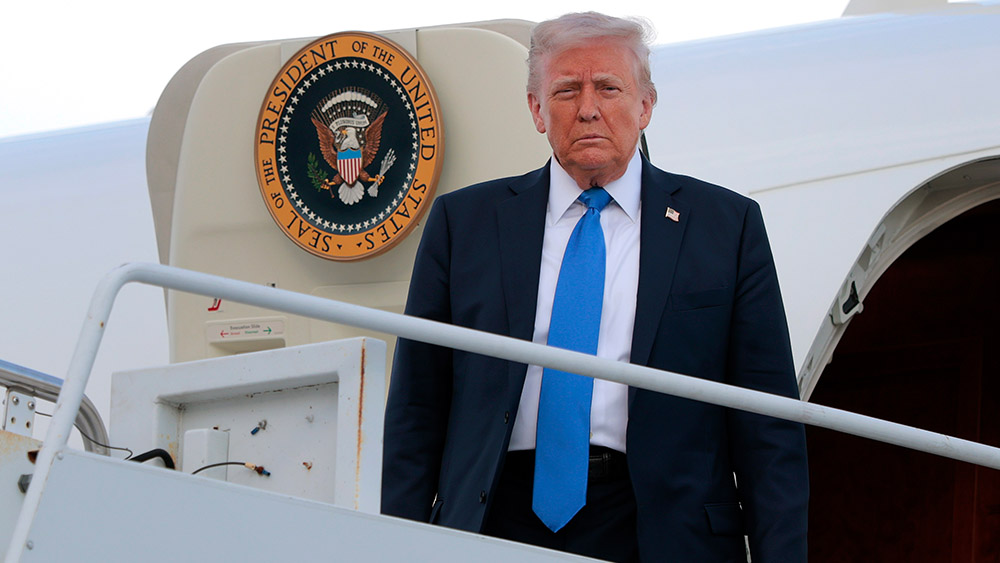
- Perry and Harris report that Trump renewed the Nicaragua national emergency on Nov. 3, extending a designation first made in November 2018.
- Nicaragua devotes 0.6 percent of its economy to defense and fields about 12,000 personnel, against a U.S. force of 1.3 million, the authors say.
- The order cites the government's response to 2018 protests, attacks on democratic institutions and corruption, charges the authors call hypocritical.
- Washington has cut off loans, sanctioned officials and, the authors say, tariffed Nicaragua harder than its neighbors.
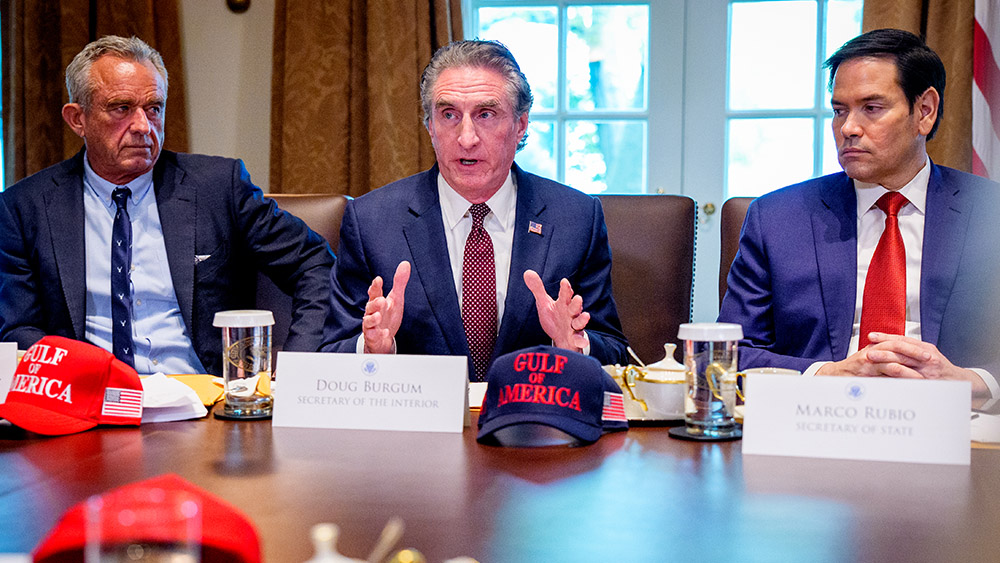
- Secretary of State Marco Rubio is working through the Organization of American States, which meets again Dec. 1.
The numbers alone invite suspicion. Perry and Harris write that the U.S. population is nearly 50 times Nicaragua's and its economy about 1,400 times larger, leaving Nicaragua's national income at just 0.07 percent of America's. Its military, which they describe as busy with drug interdiction, border and maritime patrols, hurricane response and protecting the coffee harvest, deploys roughly 12,000 personnel. The country sits 1,200 miles from the south Texas border. Measured against those figures, the picture of an advancing menace strains belief.
So what does the order actually allege? According to the authors, it cites three grievances: the government's violent response to protests that began April 18, 2018, the dismantling of democratic institutions and the rule of law, and corruption feeding economic destabilization. Perry and Harris counter that the 2018 unrest was a U.S.-inspired coup attempt that left well over 200 people dead, including 22 police officers, and caused at least $1 billion in damage. In their telling, the emergency punishes a government for defending its citizens, then accuses it of the crime of surviving.
The paper trail of an eight-year emergency
The legal machinery is old and nearly automatic. Trump first declared the emergency on Nov. 27, 2018, through Executive Order 13851 under the International Emergency Economic Powers Act, after the failed uprising that spring. The National Emergencies Act forces a president to renew such a declaration every year or watch it lapse, and presidents of both parties have obliged. President Joe Biden signed the continuation on Nov. 22, 2024. Trump's Nov. 20, 2025, notice, published in the Federal Register, again described the situation in Nicaragua as an "unusual and extraordinary threat" and referred to Daniel Ortega and Rosario Murillo.
The phrase carries a long memory. In 1985, President Ronald Reagan used emergency powers to impose a trade embargo on Nicaragua while the CIA-backed Contra war raged. The following year, the International Court of Justice ruled that Washington had violated international law by supporting the Contras and mining Nicaraguan harbors. In 1985, the aid agency Oxfam also published a book titled Nicaragua: The Threat of a Good Example? Perry and Harris argue that the title still explains everything. In their view, the real strategic threat to the United States is Nicaragua's ability to improve life for its citizens while keeping a strong economy.
The authors point to results. They say Nicaragua recorded the region's fastest economic growth in 2025, carries low public debt and holds high foreign reserves, and saw S&P Global Ratings recently upgrade its credit rating. They cite a World Bank document showing poverty reduced to under 14 percent. In their reading, the rebound after the 2018 unrest and the pandemic is precisely what compelled Washington to renew the label.
Sanctions, summits and the Shield of the Americas
Washington's toolkit, the authors say, has been broad. They write that access to World Bank and IMF loans worth $500 million annually was cut off, officials were sanctioned on little or no evidence, and a U.S. trade investigation targeted alleged child labor. They add that Trump's second administration imposed worldwide tariffs that singled out Nicaragua for higher penalties than its neighbors and that Nicaragua was refused help during the COVID-19 pandemic. Congress supplied the statutory muscle in December 2018 when it approved the NICA Act without opposition, giving the president authority to impose sanctions and blocking international financial institutions from doing business with Managua, according to Progreso Weekly.
The official story is darker. The Associated Press reported in April that the Treasury Department sanctioned two sons of Ortega and Murillo, along with officials and companies tied to the gold industry. In June, after the death in custody of imprisoned Indigenous leader Brooklyn Rivera, Rubio announced visa restrictions on more than 100 officials and relatives, saying Washington stands with Nicaraguans who, like Rivera, "aspire to see a free Nicaragua." CiberCuba, citing Human Rights Watch, reported at least 87 political prisoners in 2026.
What comes next is already visible. Perry and Harris say Trump's newly appointed chief of staff, Stephen Miller, singled out Nicaragua as an exception to the hemisphere's re-alignment and suggested the United States could secure "a better future for the people of Nicaragua" through its regional alliance, the Shield of the Americas, which they say includes all three of Nicaragua's immediate neighbors. Rubio, they add, has used the OAS to push compliance, and although Nicaragua is no longer a member, ten Latin American nations have joined the effort. The group convenes again Dec. 1 to decide how to ramp up pressure.
An emergency that never ends is no longer an emergency. It's all a coercive attempt to control and dictate who the country's leaders are and who gets to siphon away resources.
Sources include:
Federal Register [PDF]



Please contact us for more information.


