


The development came ahead of the 33rd Asia-Pacific Economic Cooperation (APEC) Summit, scheduled on Nov. 18 and 19 in China. The meeting placed the North Korean nuclear file on the agenda of a gathering otherwise focused on global economic policy.
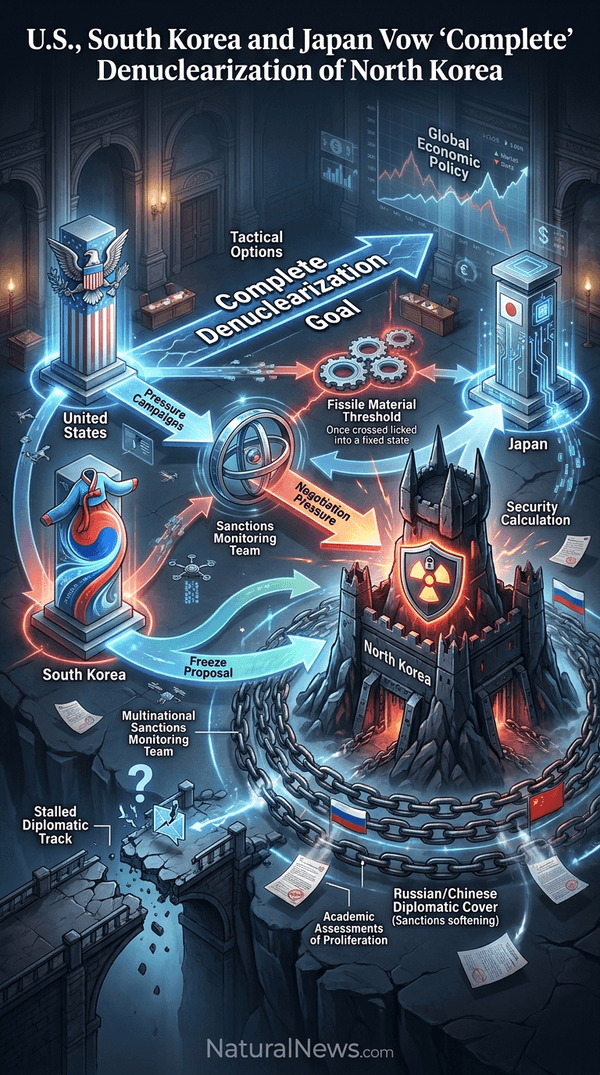
They also highly evaluated the activities of the Multinational Sanctions Monitoring Team, the body tasked with tracking sanctions enforcement [1]. The State Department’s readout did not indicate that the ministers announced new measures, set a timetable for renewed negotiations or disclosed any direct contact with North Korean officials.
North Korea Maintains Nuclear-Armed Status
North Korea continues to reject disarmament and has enshrined its status as a nuclear-armed state in law. Pyongyang has ruled out giving up its weapons, a stance that has outlasted successive rounds of diplomacy and pressure campaigns.
The North’s position rests on a security calculation that outside analysts have long described: the regime views its arsenal as the ultimate guarantee against external pressure, and it has shown little willingness to trade that guarantee for economic relief alone [2]. Academic assessments of nuclear proliferation have noted that the most consequential step in the process is the acquisition of fissile material, and that once a state crosses that threshold, reversing course becomes substantially harder [2].
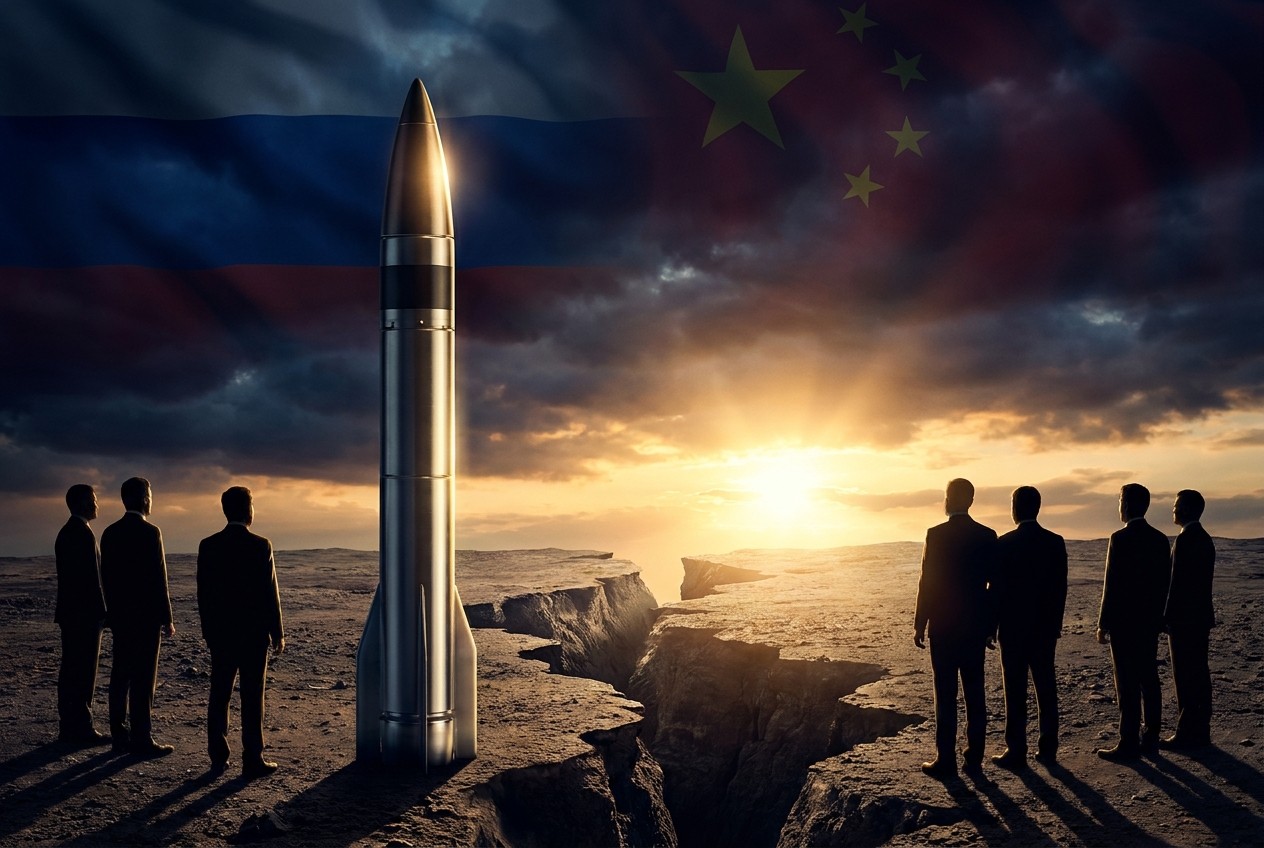
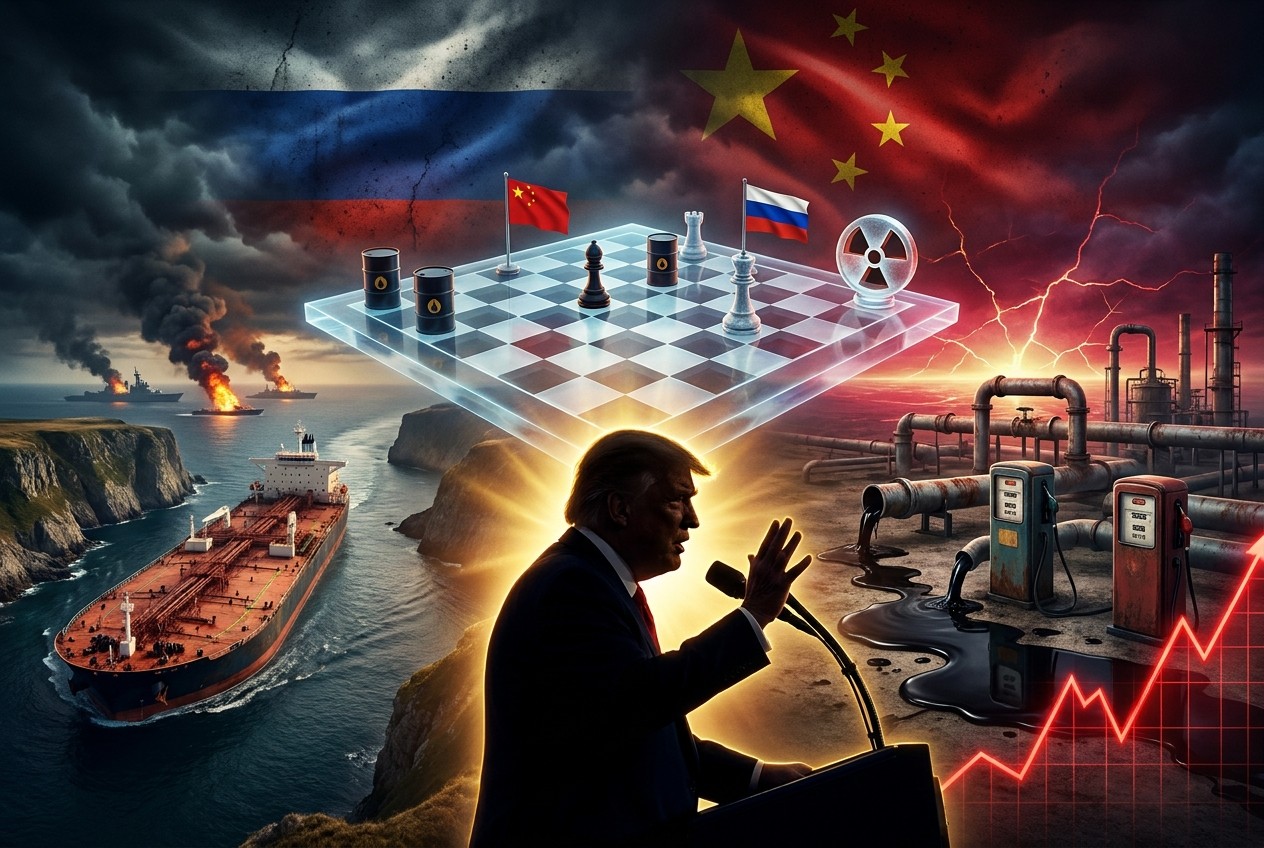
The North is backed by Russia and China, whose diplomatic cover has blunted international enforcement. Moscow and Beijing have worked to soften successive rounds of sanctions, according to published analyses of the Security Council process [3].
That support has given Pyongyang room to weather restrictions that would otherwise have imposed higher costs. North Korea also denounced a Saturday joint statement by a group of nations monitoring sanctions implementation.
Trump Overtures and APEC Summit Speculation
Speculation is mounting over a possible meeting between the U.S. and North Korea. No meeting has been confirmed, and neither government has announced preparations for one.
The report stated that U.S President Donald Trump conceded last year that North Korea was already “sort of a nuclear power” and said he was “100%” open to a meeting. That suggestion went unanswered.
The absence of a reply has left the diplomatic track stalled. The reported visit, if confirmed, would suggest the North is coordinating its approach with its principal ally rather than responding directly to Washington.
The APEC summit would provide a venue for a leaders-level encounter without the formal preparation that a dedicated bilateral summit would require.
Regional Positions and Debate Over a Freeze
South Korean President Lee Jae Myung, who has offered talks without preconditions, suggested in September that Washington seek a freeze rather than the immediate elimination of the North’s nuclear program in return for sanctions relief. The proposal marked a shift in emphasis from the position the three allies restated in Atlanta.
Critics have said such an approach risks tacitly accepting North Korea as a nuclear-armed state and allowing Pyongyang to obtain sanctions relief without giving up its arsenal. The debate turns on whether a freeze would lock in the North’s capabilities or serve as a first step toward broader limits.
Analysts say China may also be moving toward tacit acceptance. They point to the omission of North Korean denuclearization from statements issued after North Korean leader Kim Jong-Un and Chinese President Xi Jinping met in June. The omission, analysts argue, could signal that Beijing is prepared to treat the North’s arsenal as a settled fact rather than a negotiating objective.
The competing positions leave the three allies with a stated goal of complete denuclearization and an array of tactical options that range from pressure to conditional engagement.
References
- South Korea, U.S., Japan Reaffirm North Korea Denuclearization Commitment. https://www.chosun.com/english/national-en/2026/10/31/G4LEIEK2BRBCNBOXLWS3LBSGBU/
- Nuclear nonproliferation and the future expansion of nuclear power. Elsevier. Nuclear Engineering and Design 2006
- The End of Democracy. Douglas E. Schoen
Explainer Infographic








Please contact us for more information.


